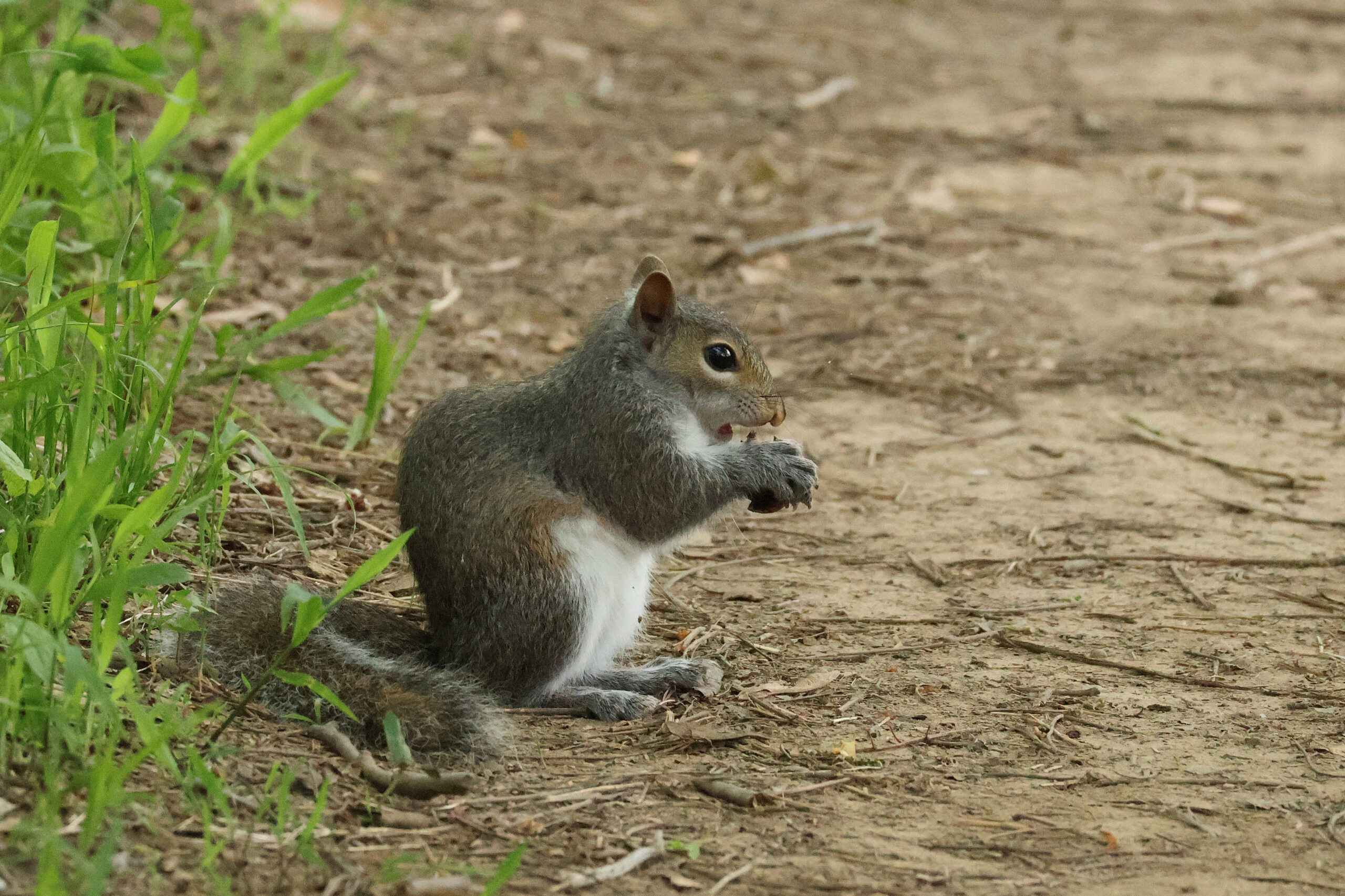
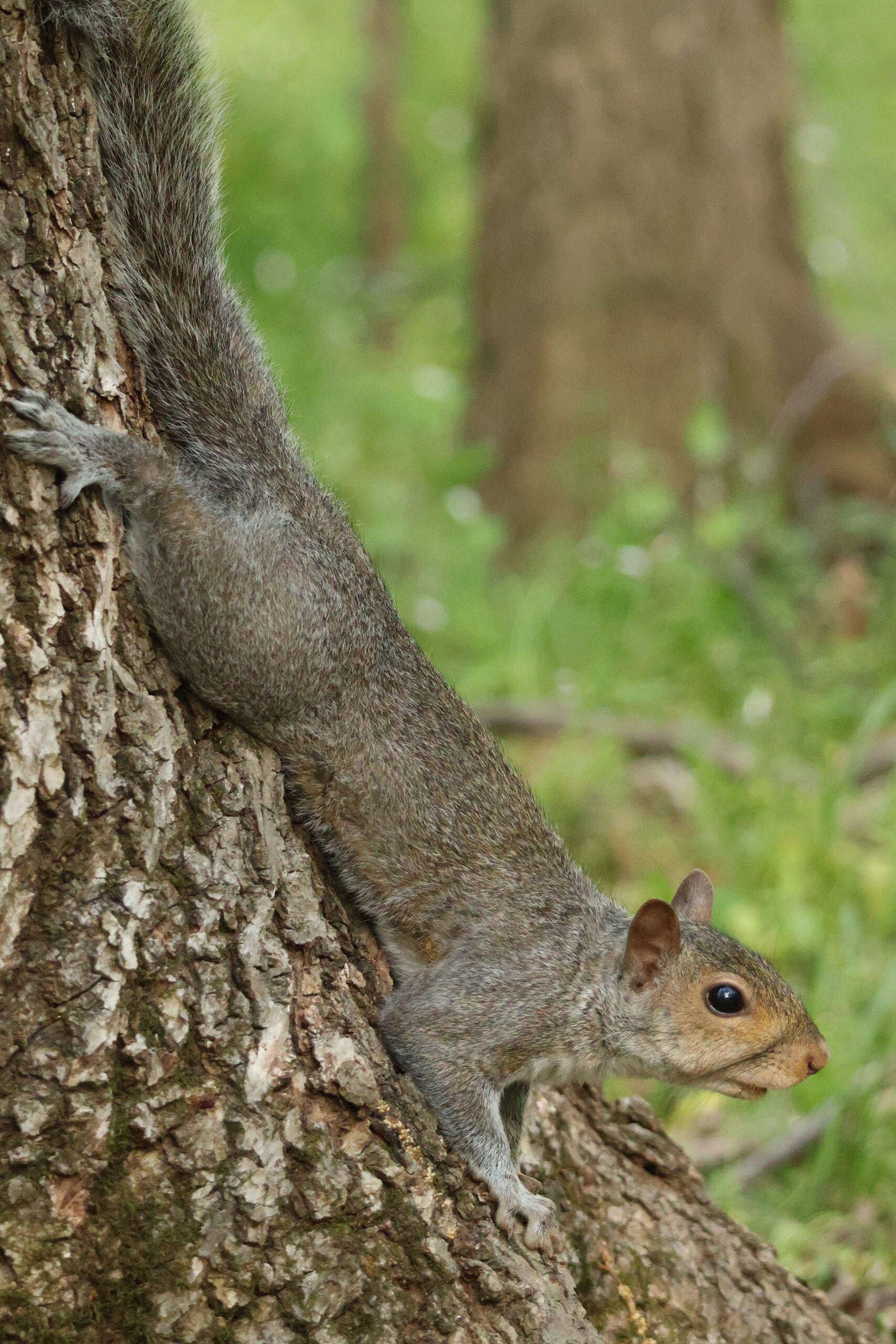
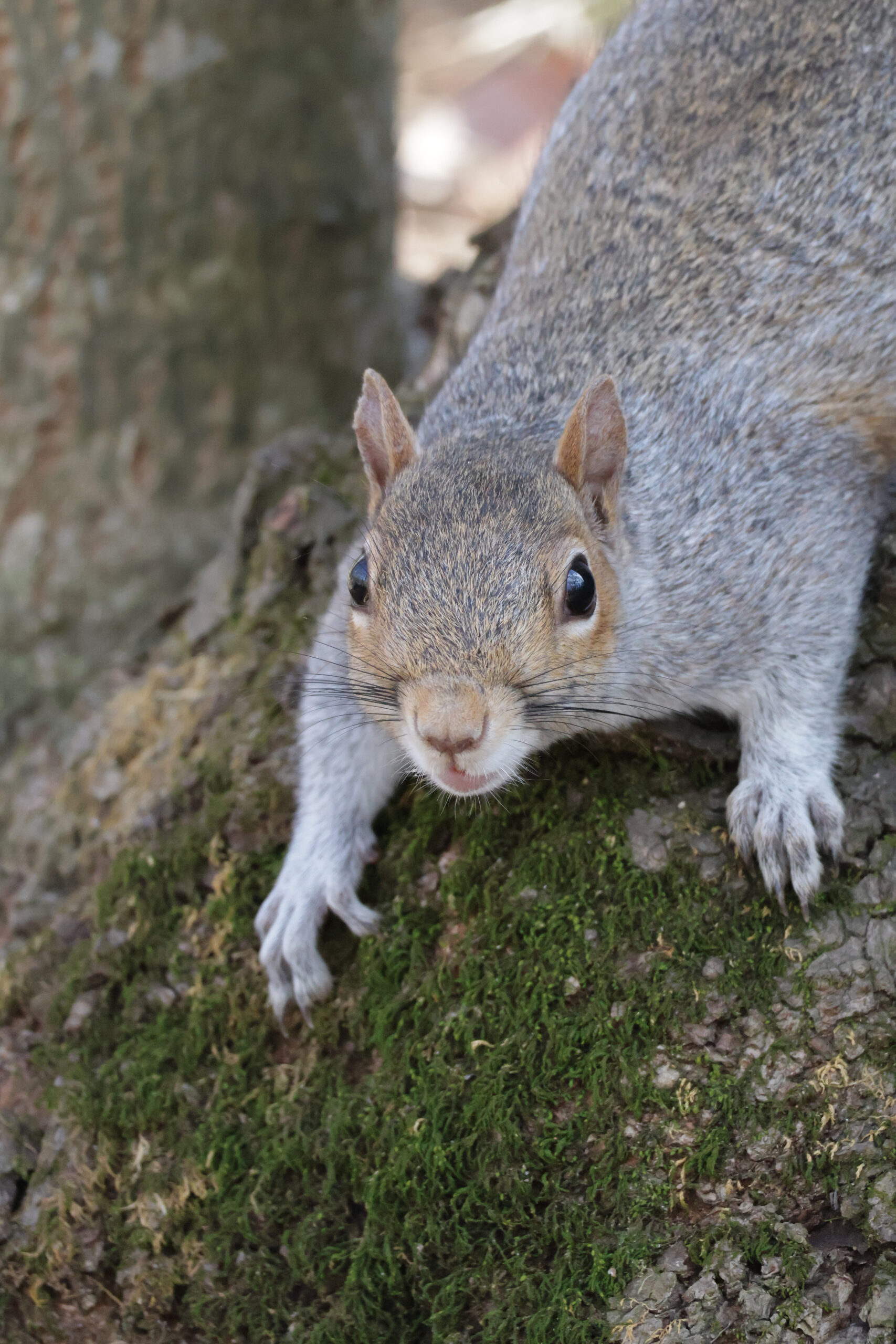
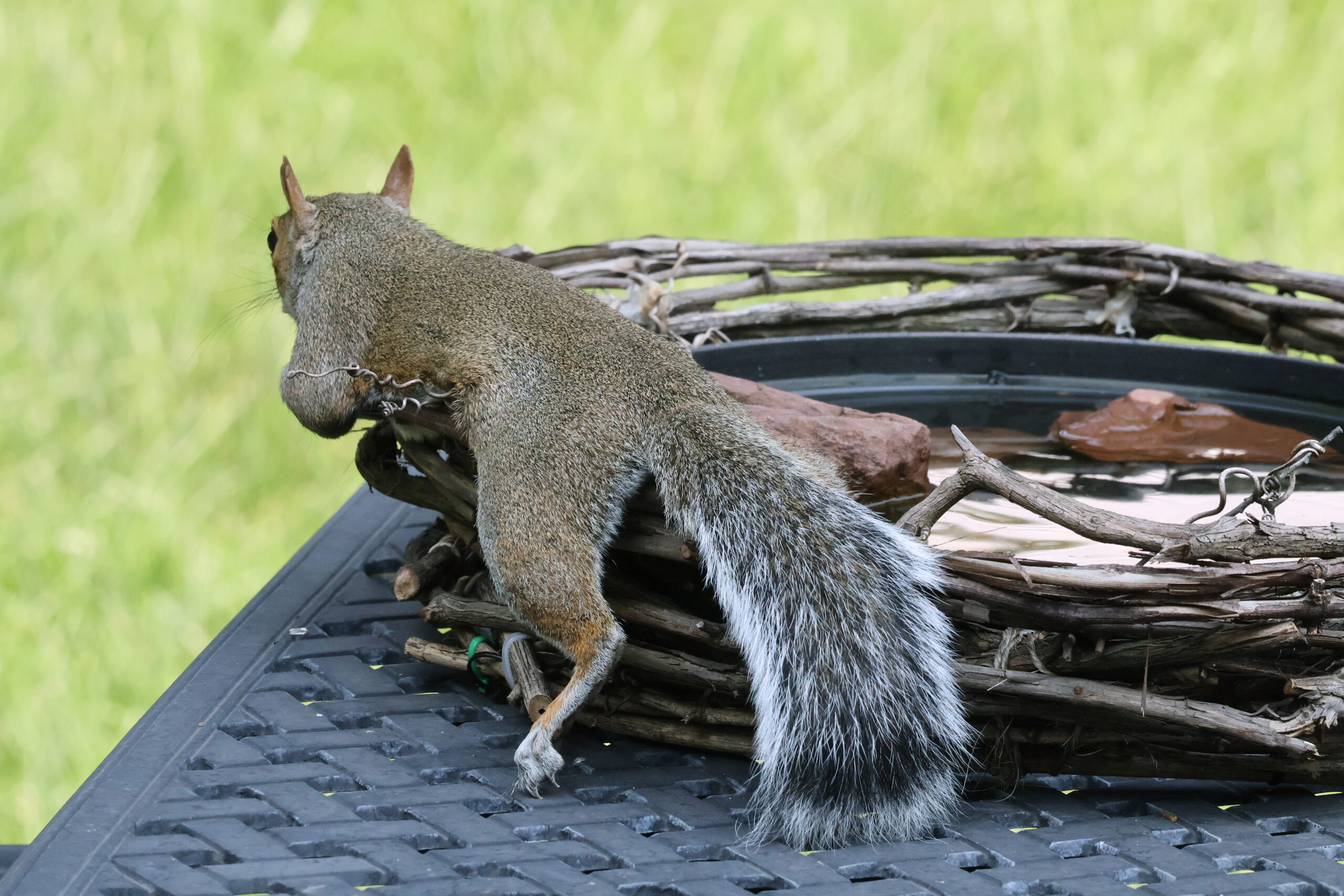
I bought my first 35 mm SLR film camera in the mid 1970’s (1975?). It was a Minolta SRT 201. I took B&W pictures using Kodak Plus-X and Tri-X film and developed them in the basement of my parent’s house using my Dad’s darkroom equipment. Suddenly, I was able to capture snapshots of my teenaged friends and share them the very next day. Back then, everyone had to take the film canisters to a local Camera or Drug Store chain to develop the film. it took a week at best to receive your prints.
In the mid-1980’s, I purchased a used Canon AE-1 SLR from a friend of my Father-in-Law. The camera came with additional lenses, a flash unit and filters. This kit offered more focal length options beyond the typical 50mm lens and I added a compact Canon 70-210mm lens (?) later.
When digital cameras entered the market, I bought an Olympus 8MP camera in the 1990’s. Picture quality was lousy but I could bypass film development and share snapshots directly with my friends via SD Card or across the web. In 2008, I invested in a Canon G9 Powershot 12 MP digital camera. It was my 1st “real” digital camera able to capture respectable images for printing or the web. Most of the pictures on this site were taken with the G9. For 18 years, I’ve appreciated its compact size and versatility of the 35 mm to 210 mm lens. It has been and continues to be my “Grab and Go” camera wherever I travel.
In March of 2026, I allowed myself to purchase a new “grown up” digital camera. During my research, I seriously considered the enticing Super Zoom cameras like the Canon SX-60 that my brother, Kev owned. I also considered used DSLR options. Steve, my boyhood best friend, urged me to choose a camera body with a minimum of an APS-C sensor size (Thanks Steve). I further read that both Super Zoom and DSLR product lines were being phased out and mirrorless camera sales were on the rise. I chose a forward-looking mirrorless (APS-C) Canon R50. Available lenses were limited but newer options were promised. The basic kit came with a Canon 18-45mm lens. I added a budget-conscious, Canon 100-400mm (IS) zoom lens to my new kit.
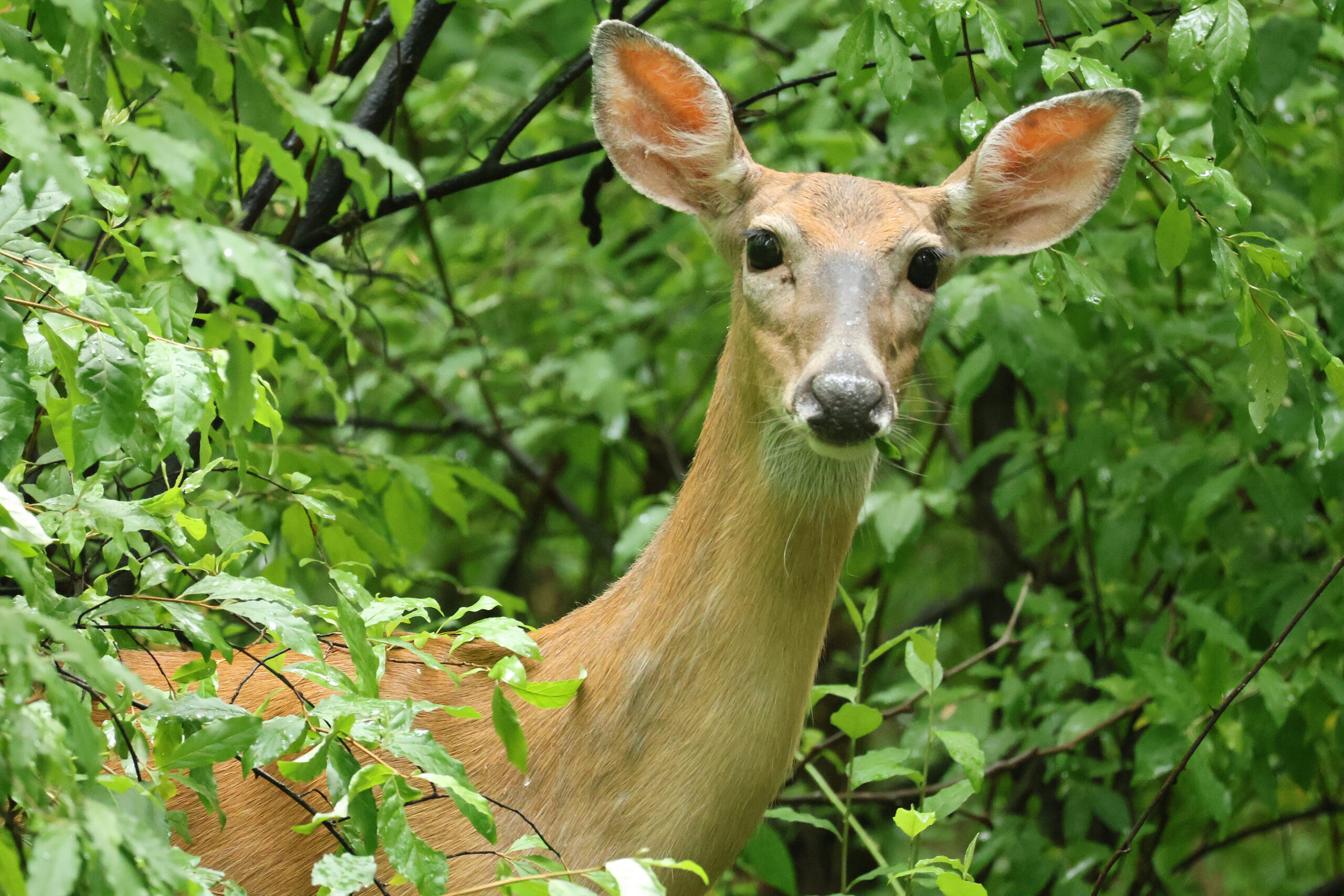
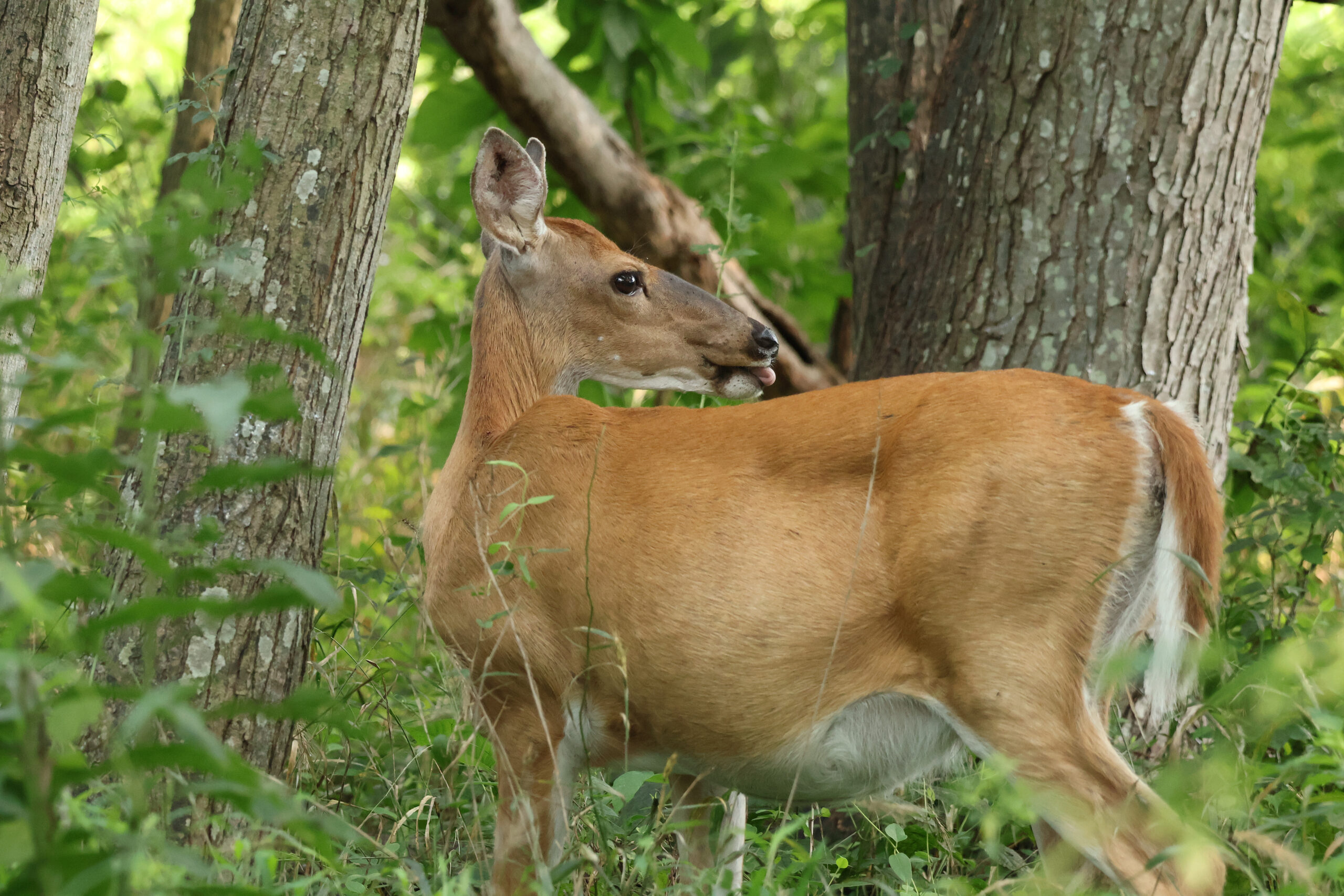
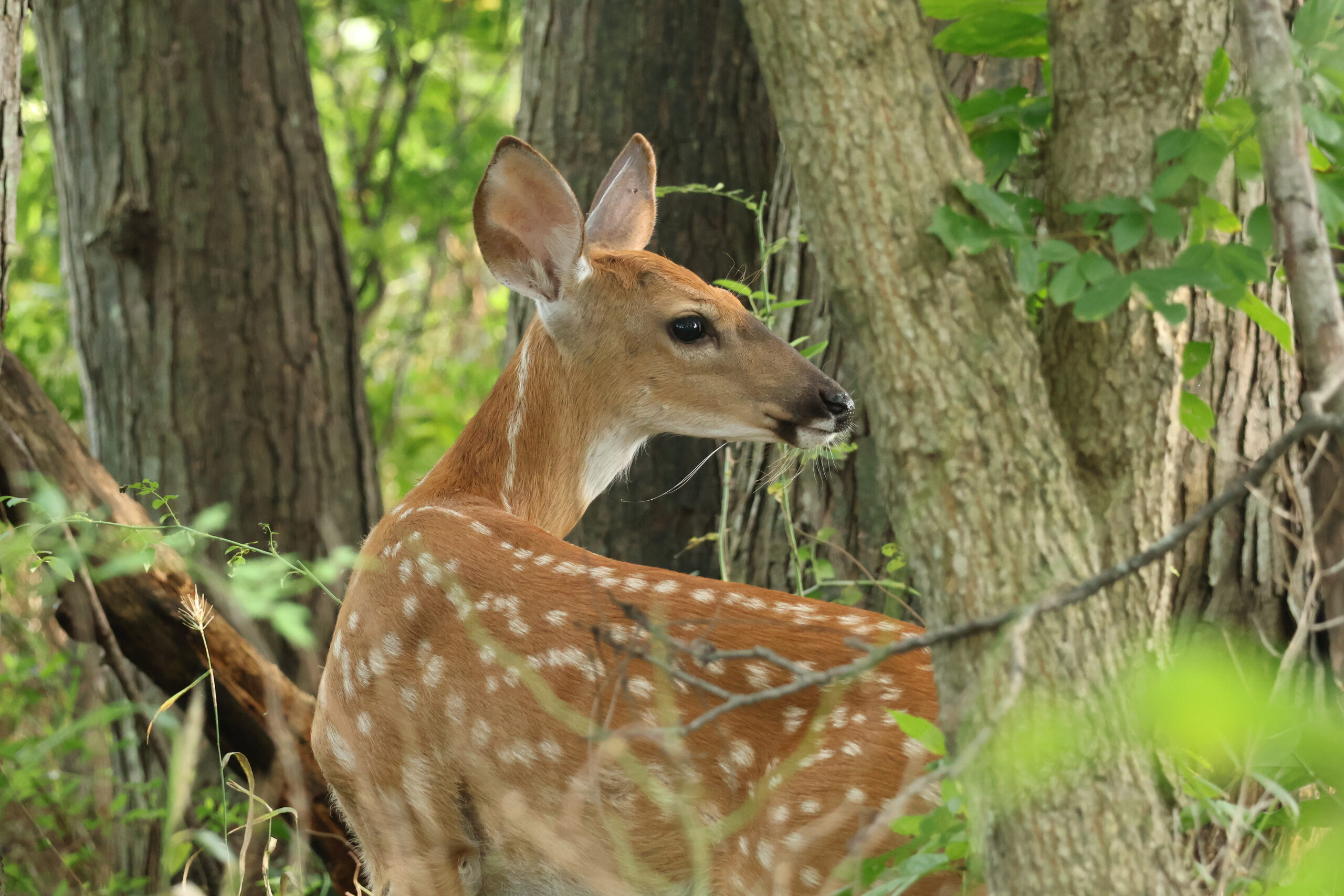
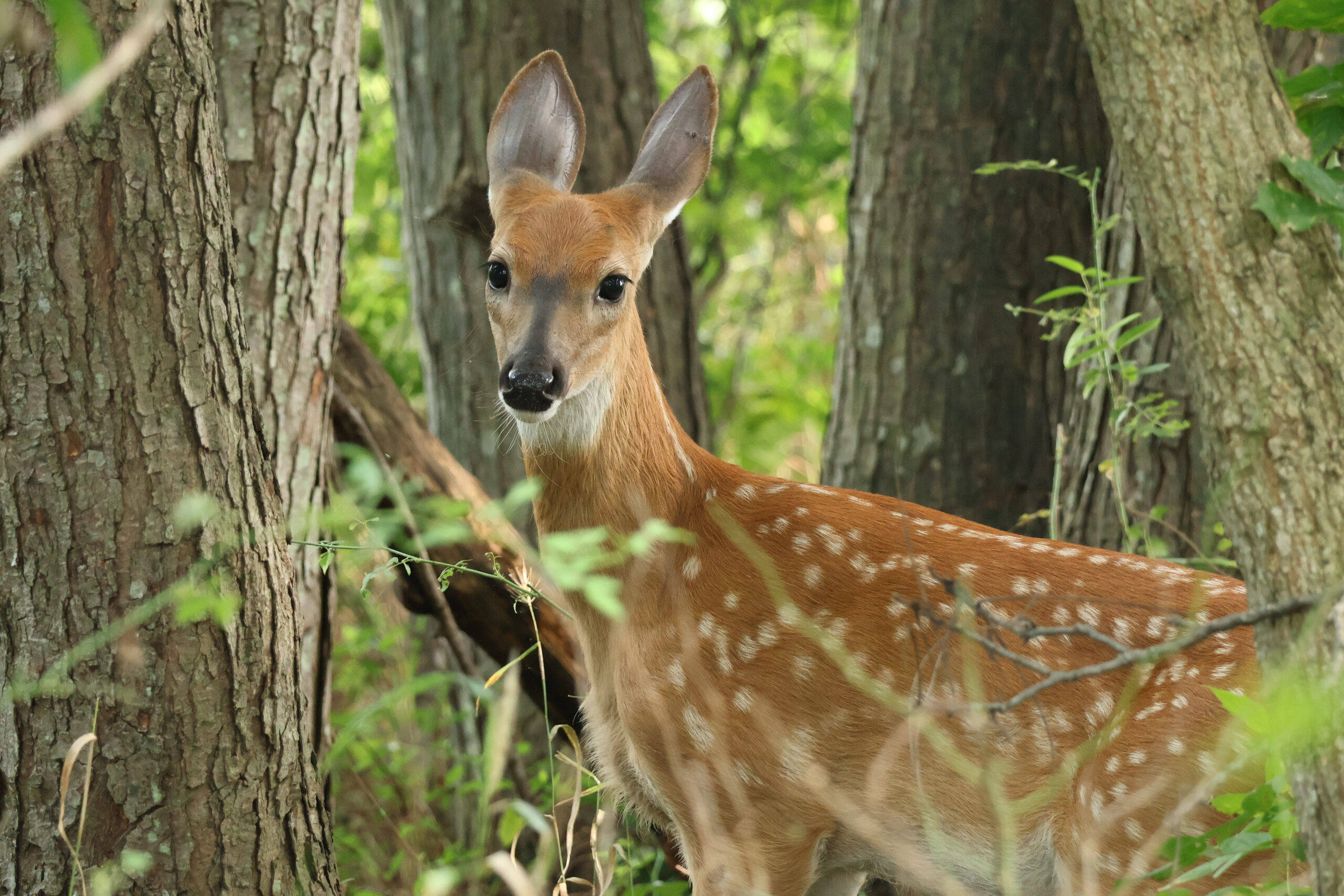
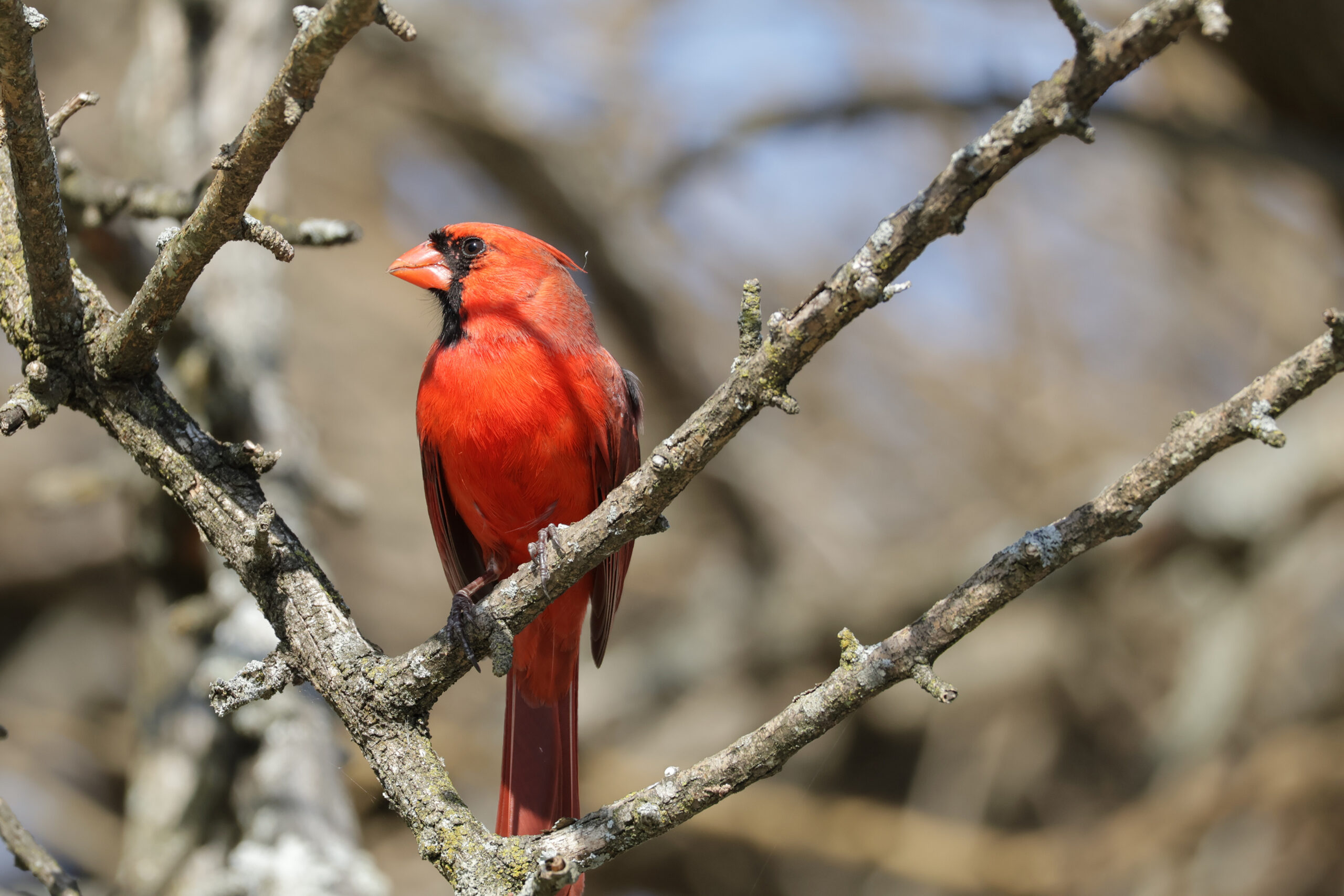
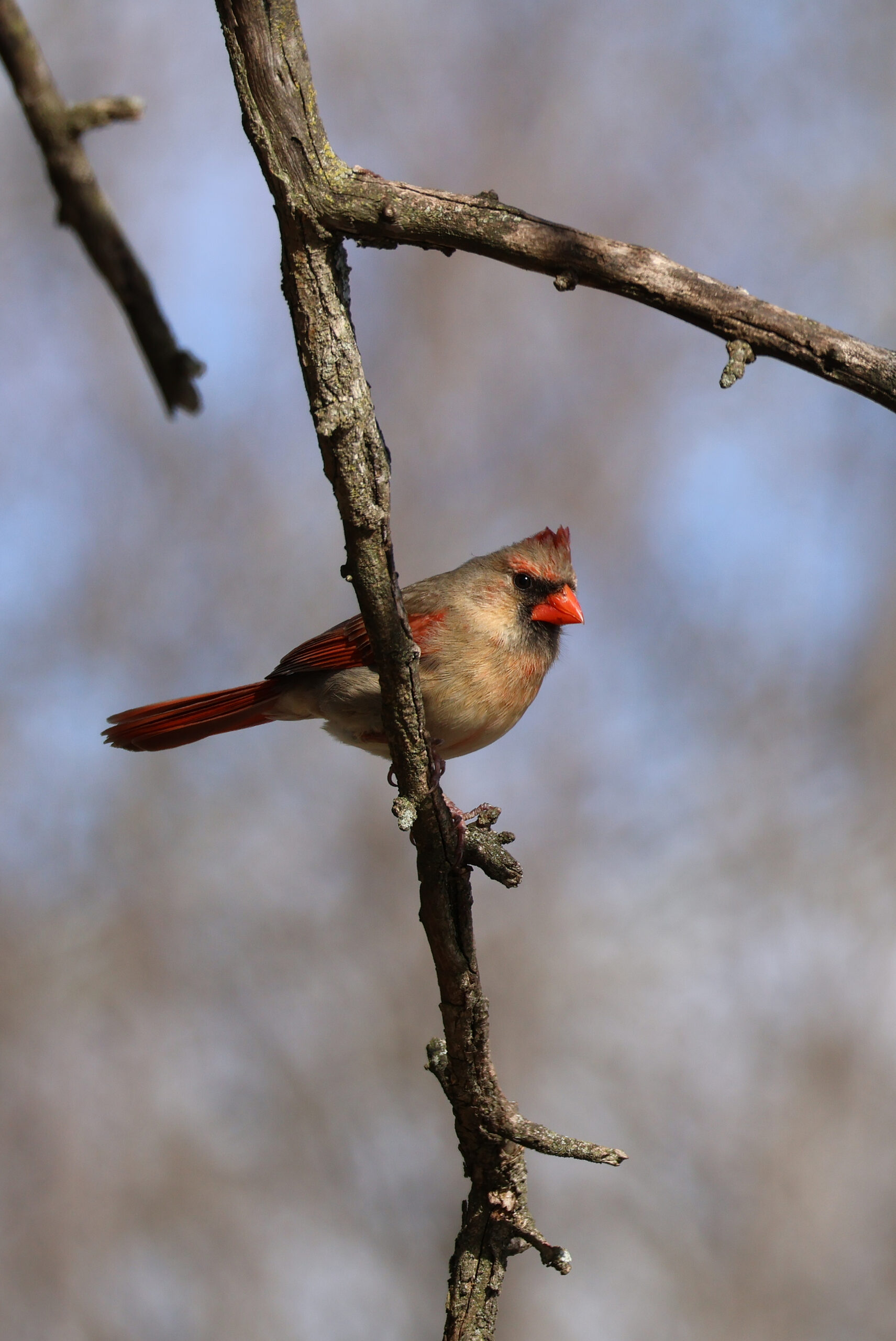
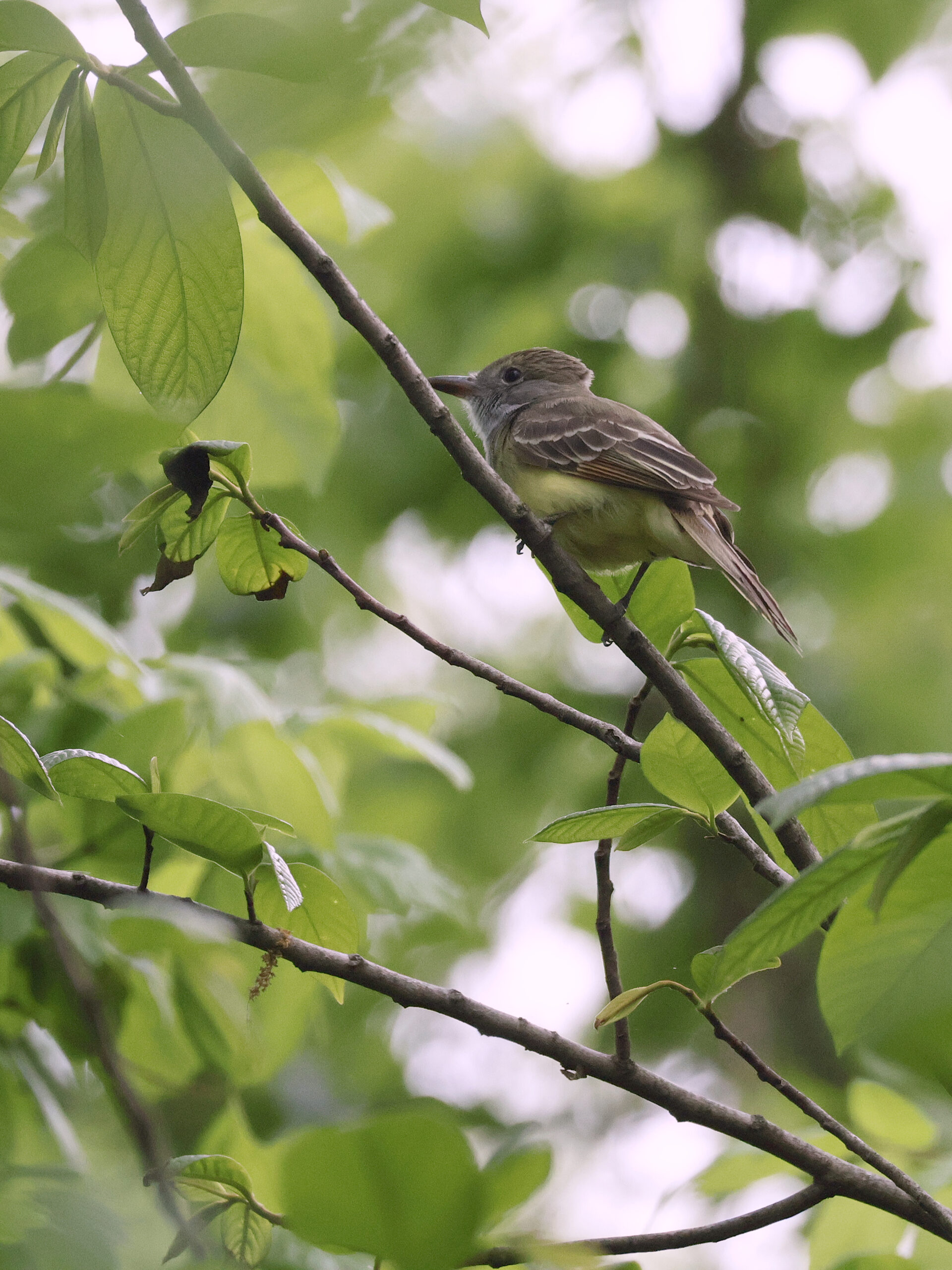
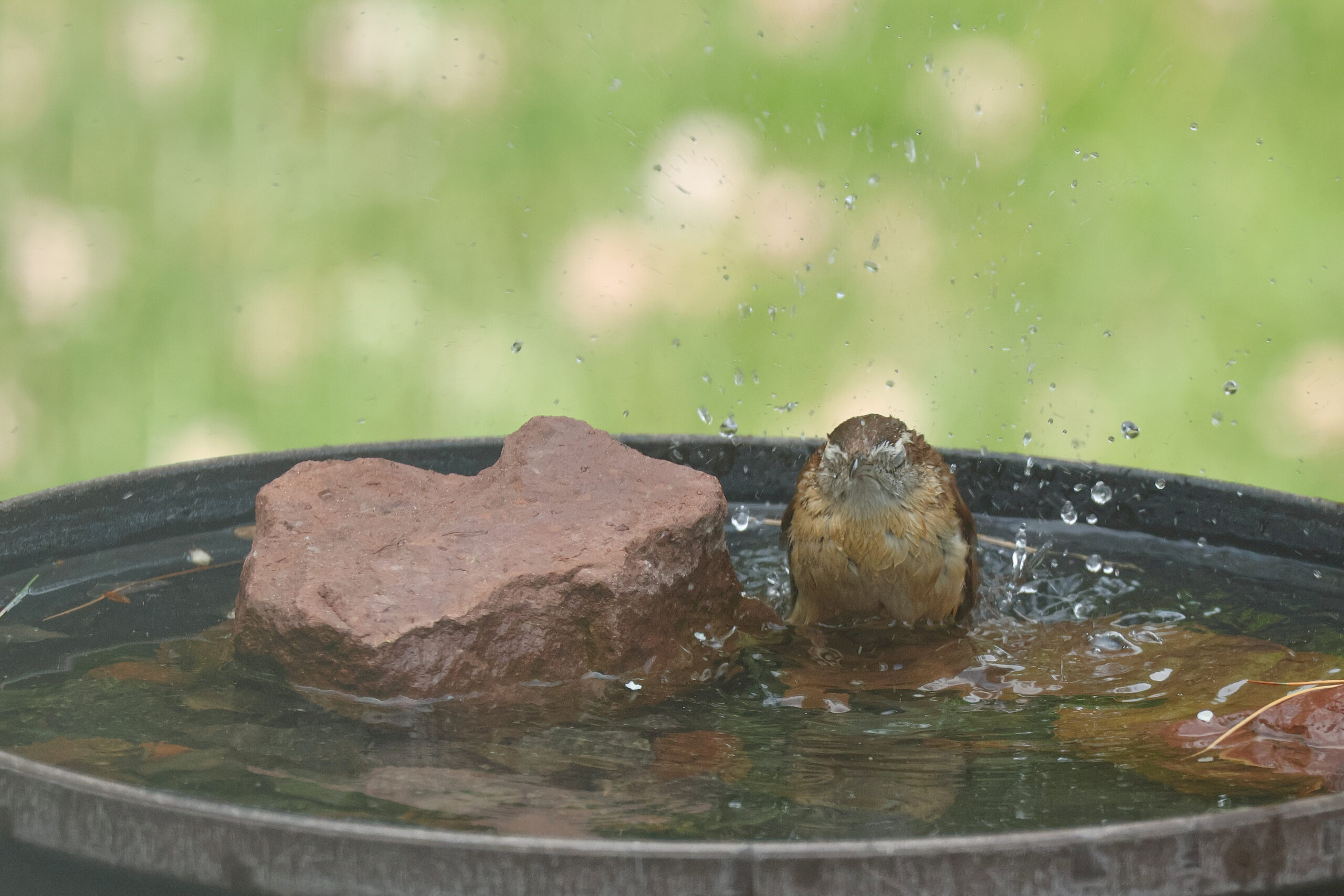
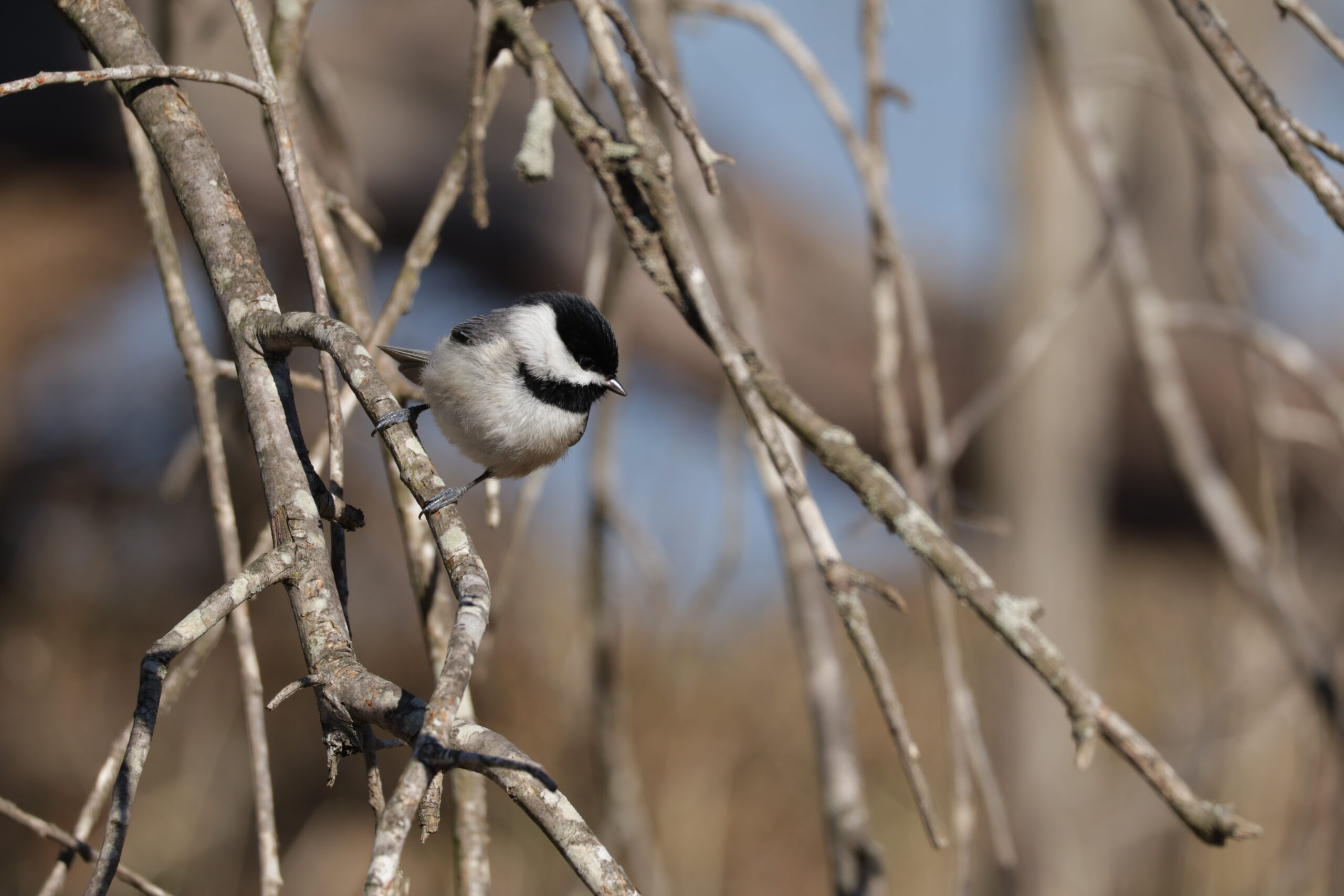
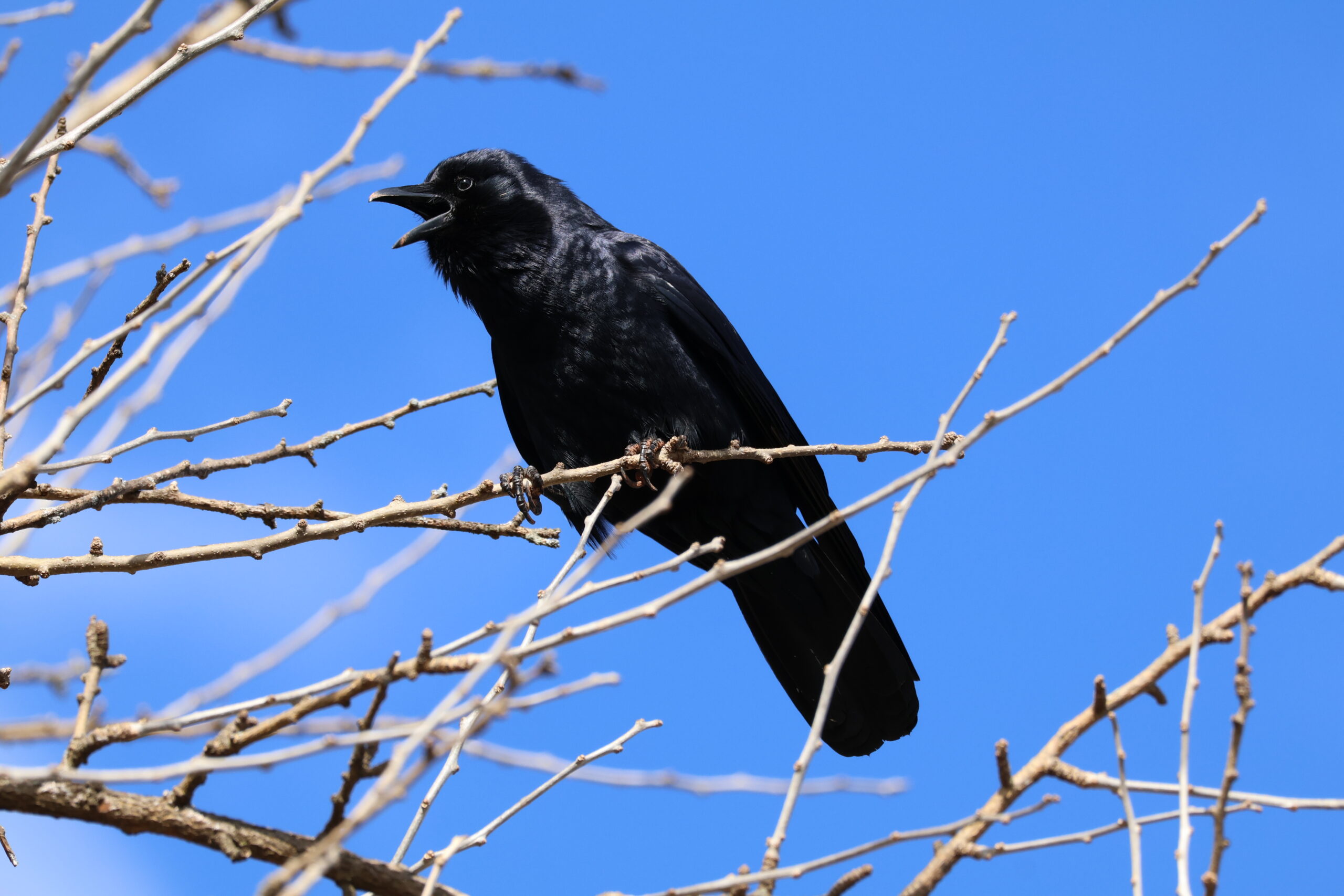
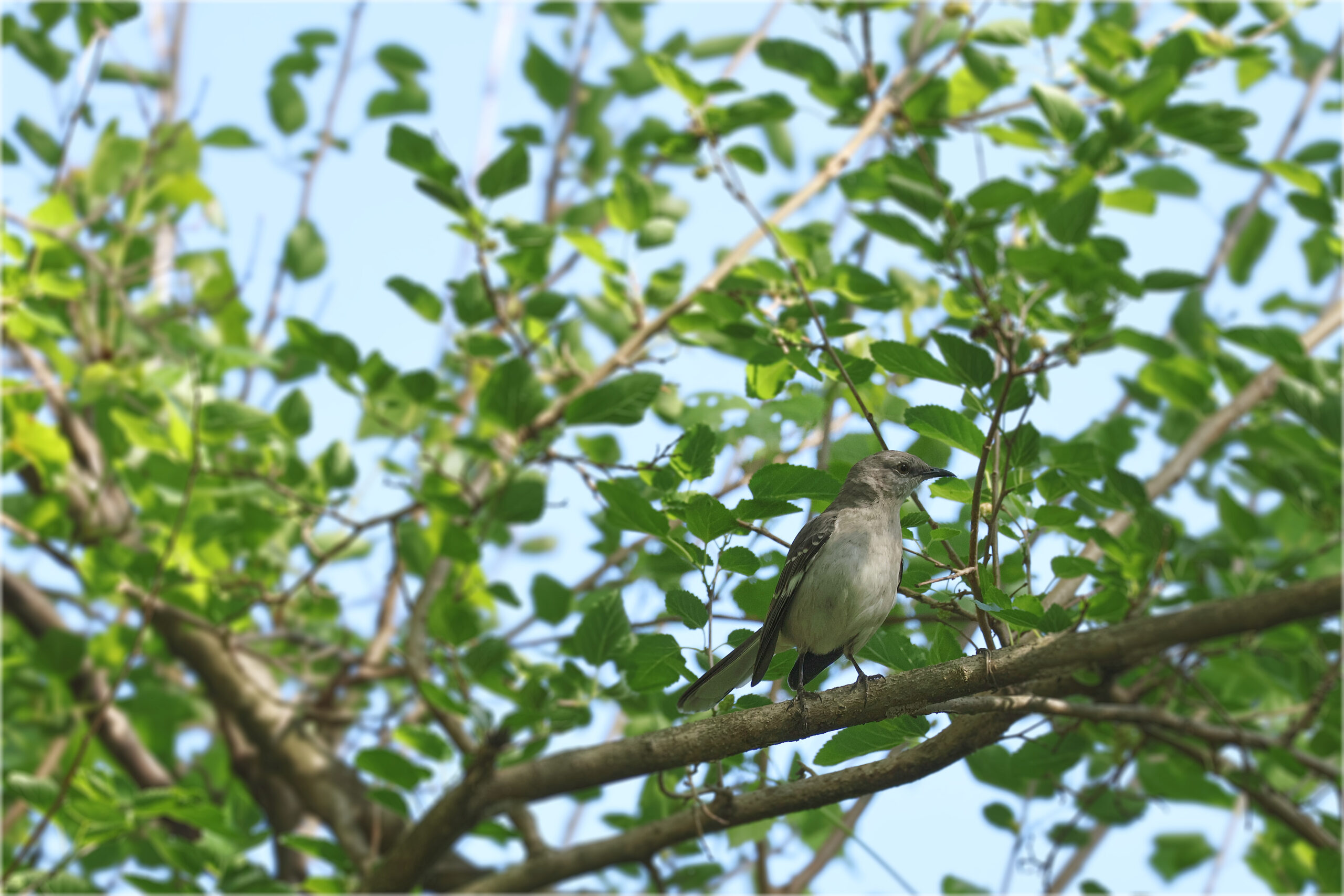
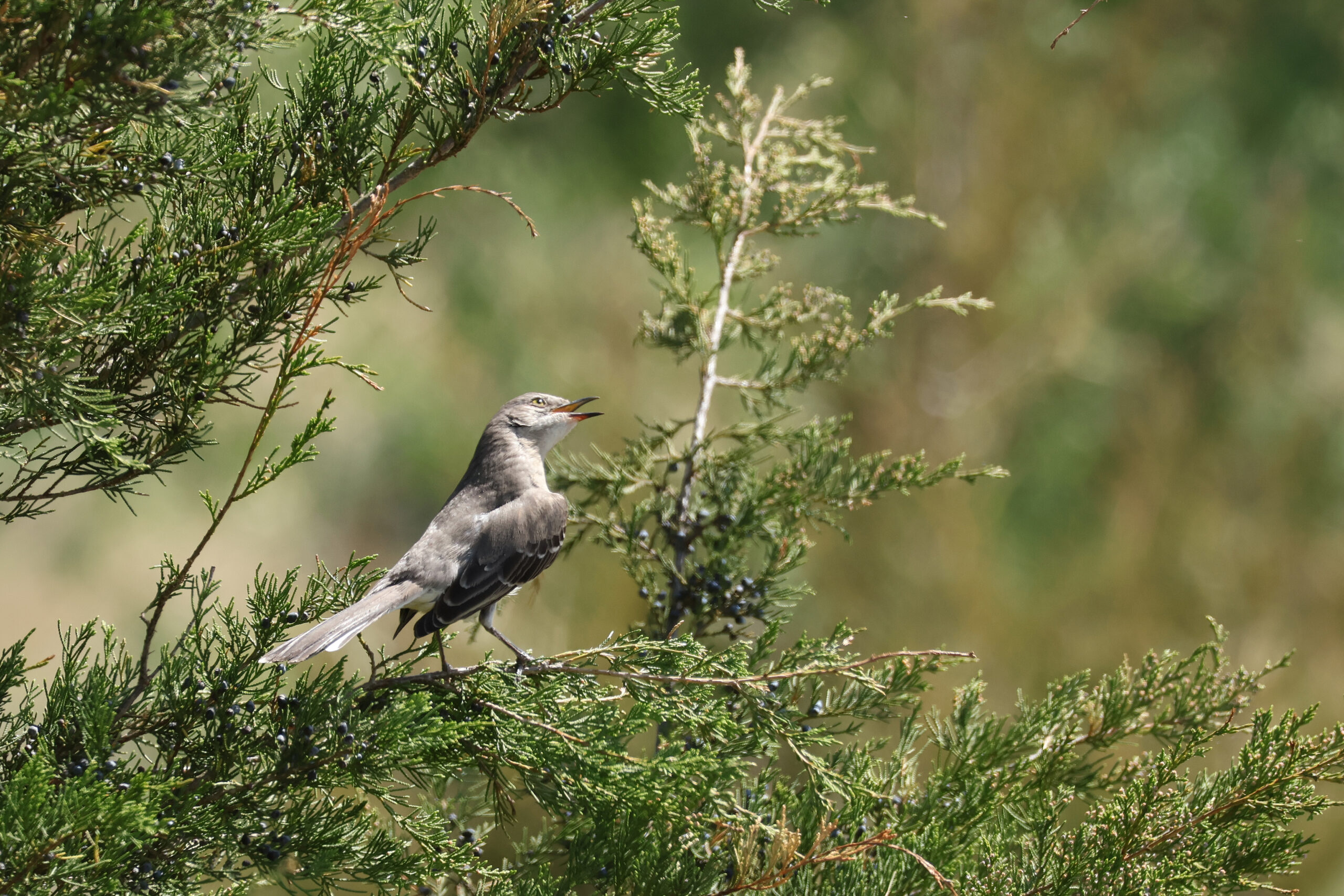
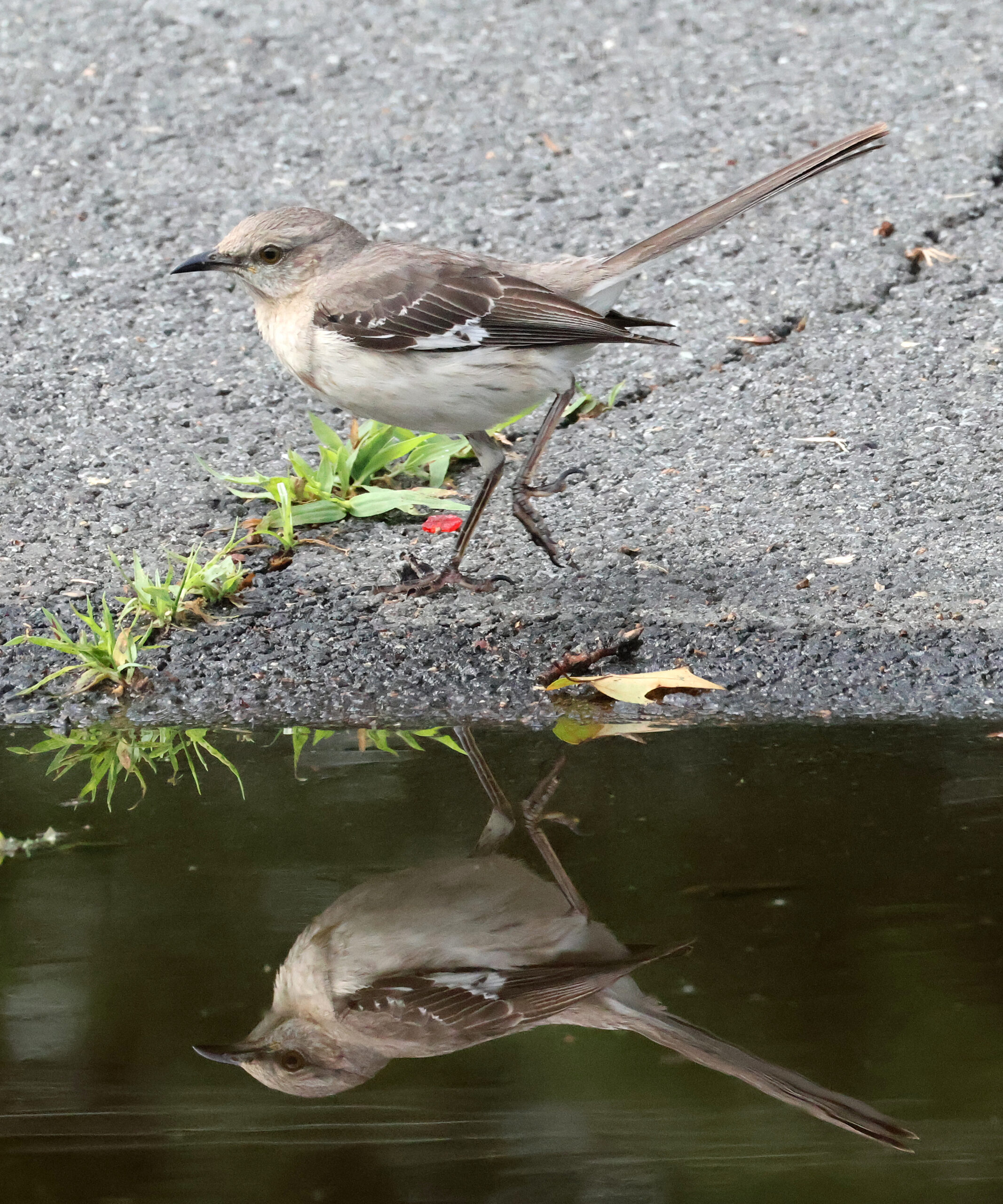
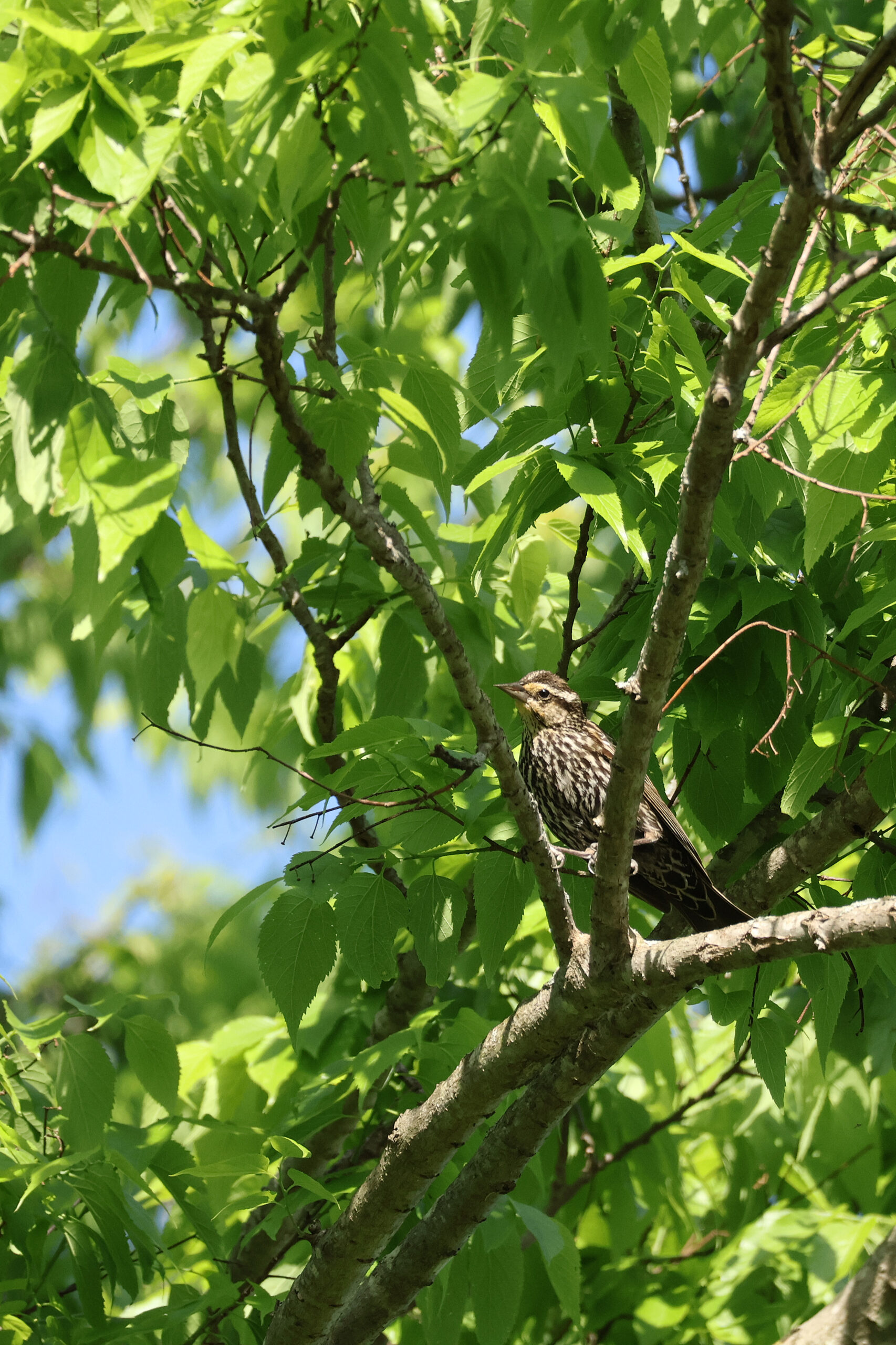
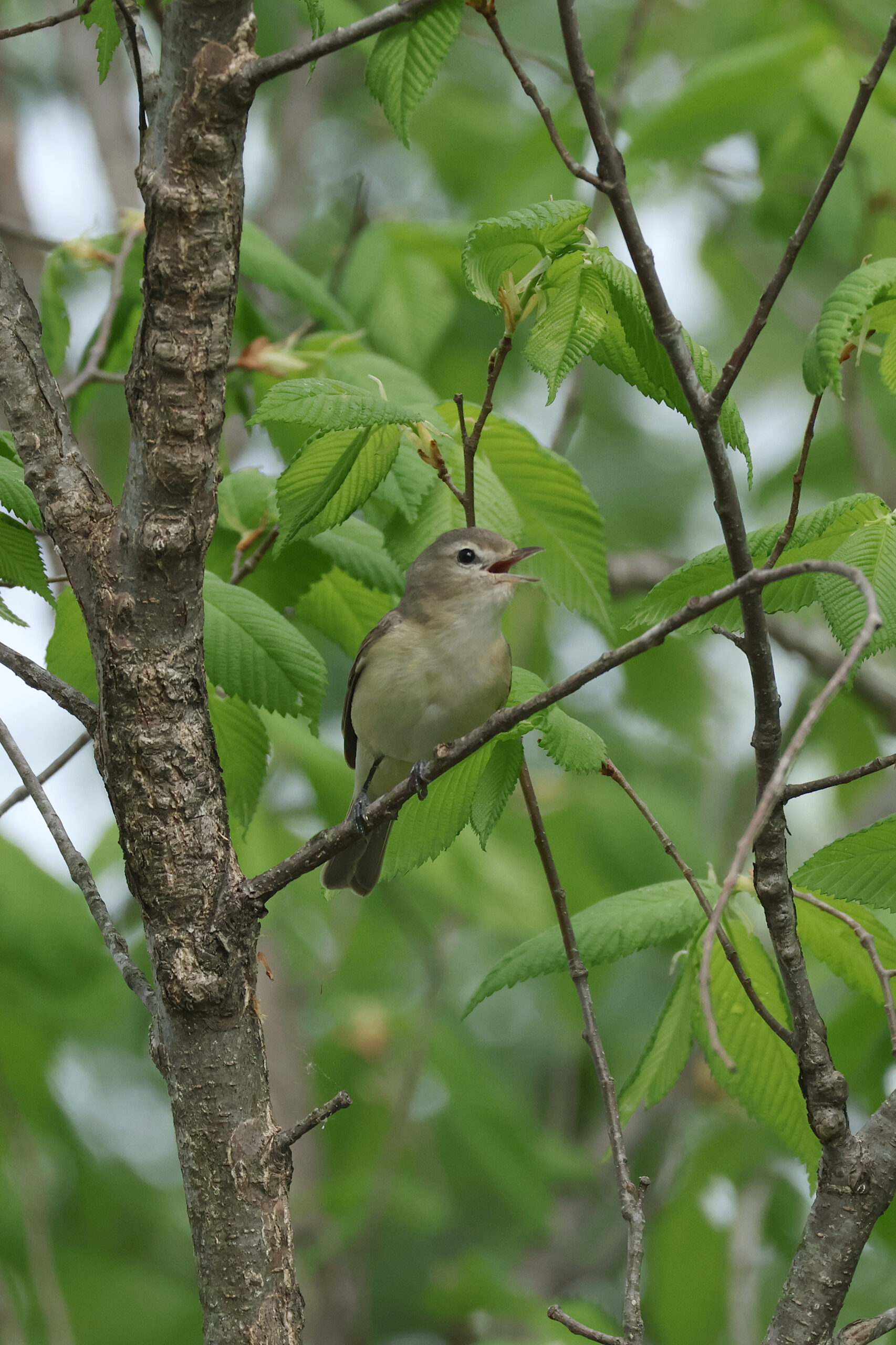
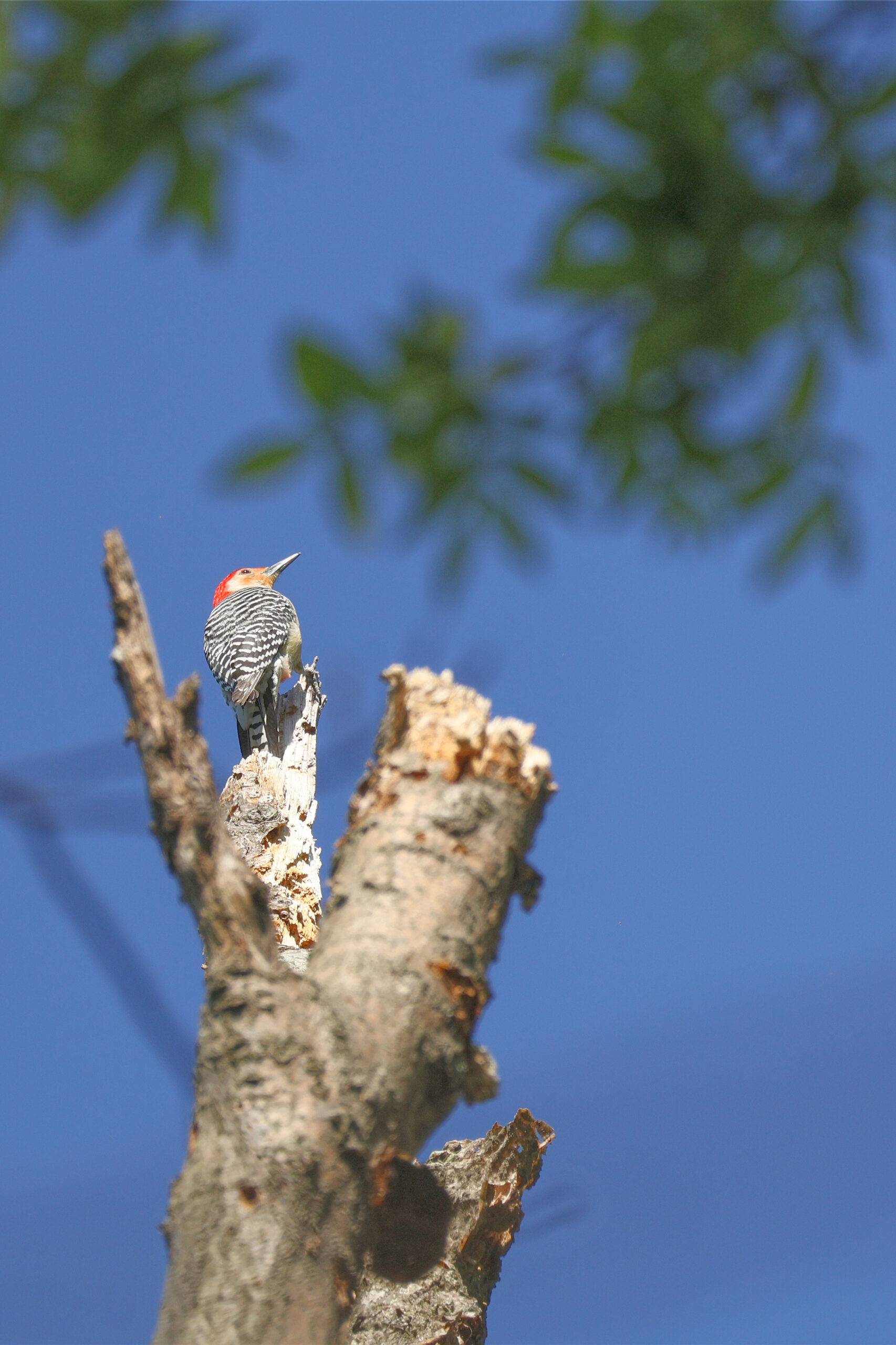
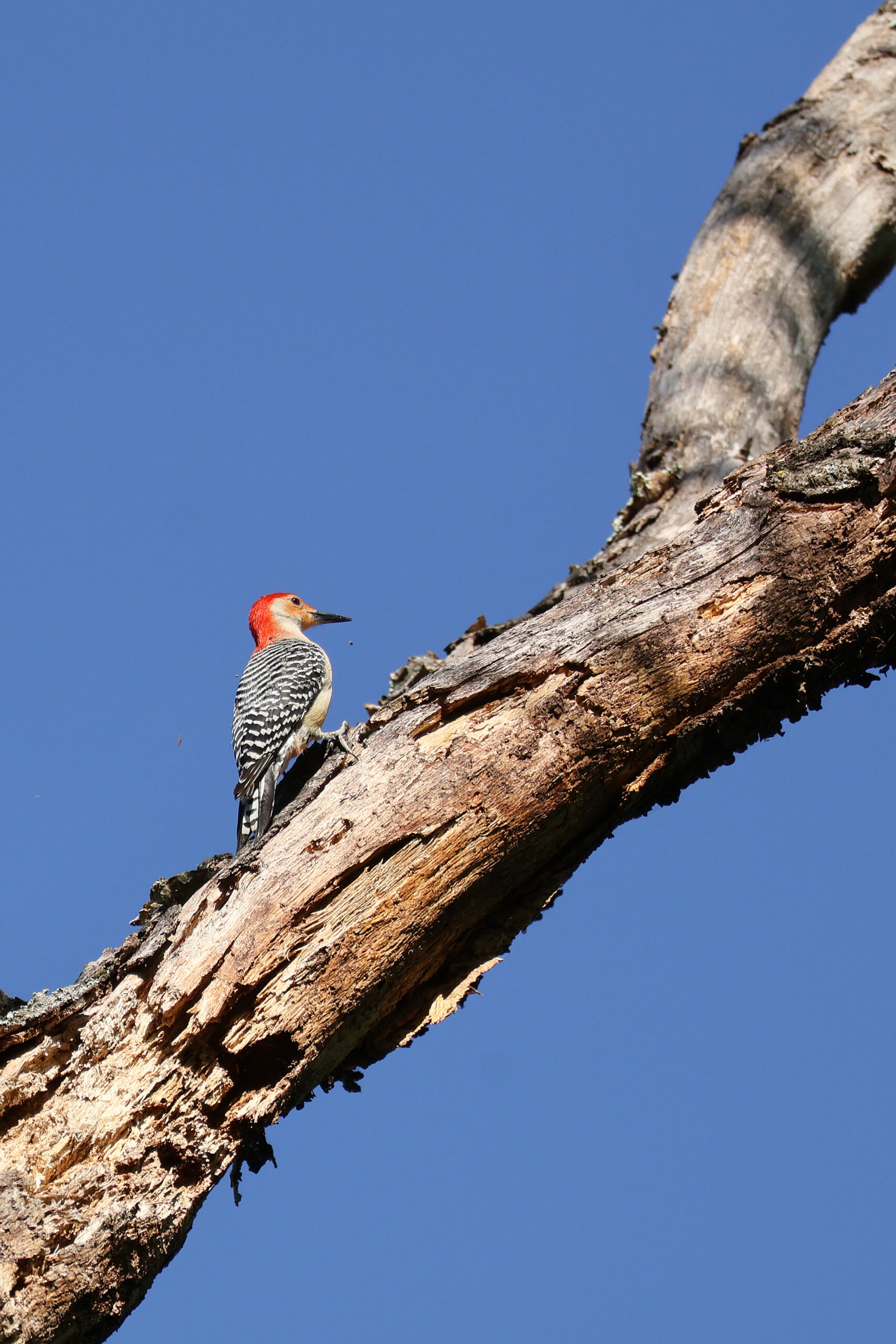
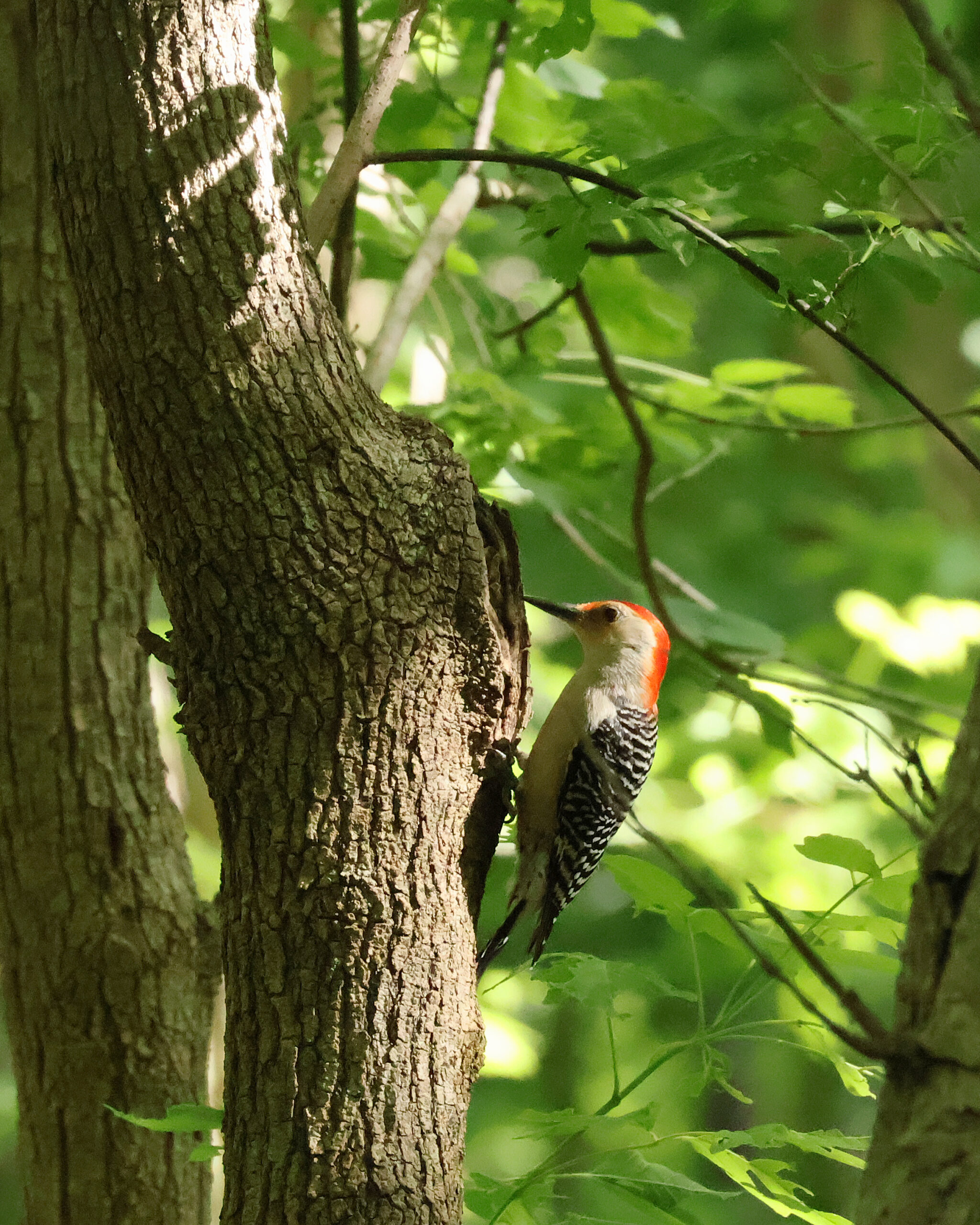
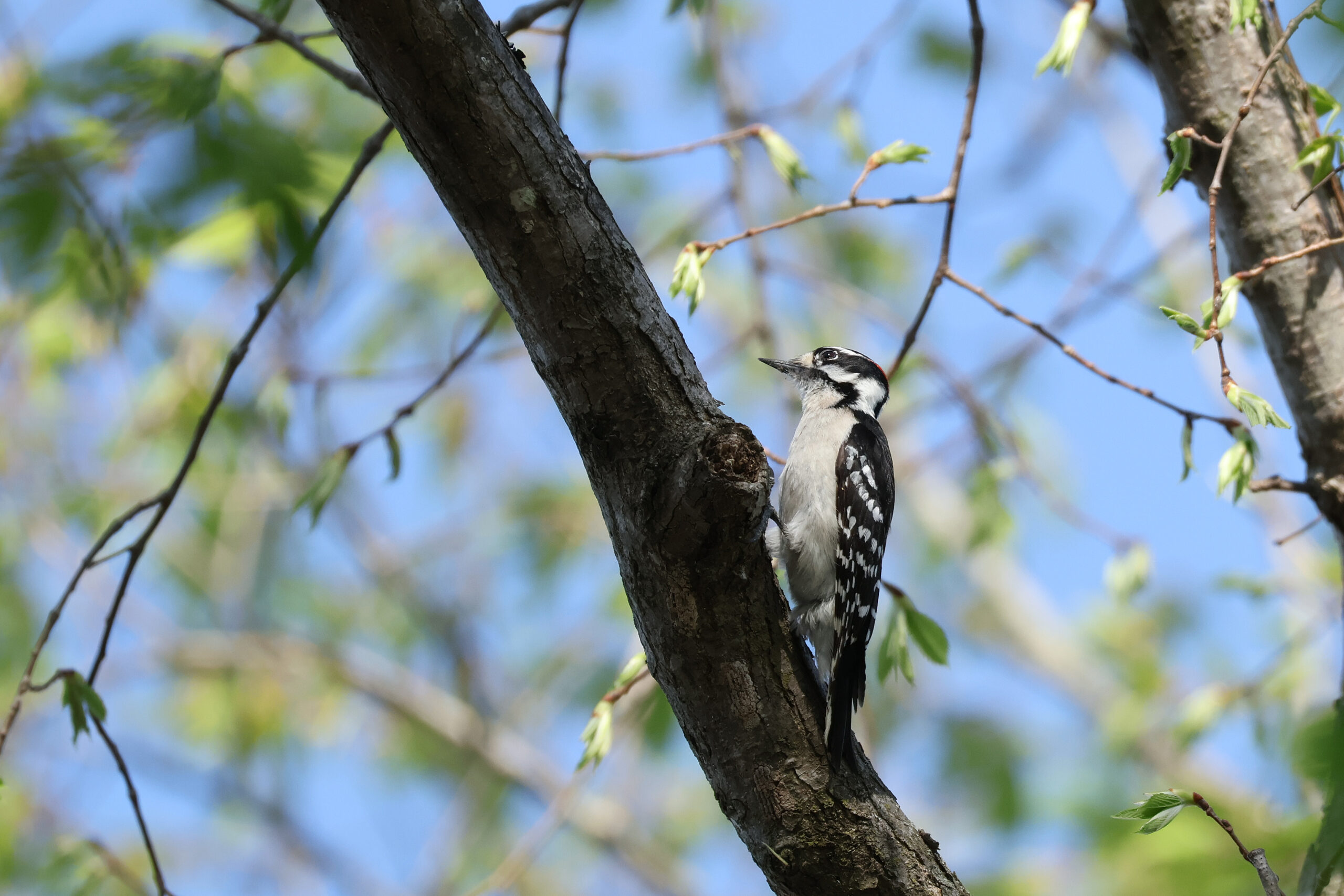
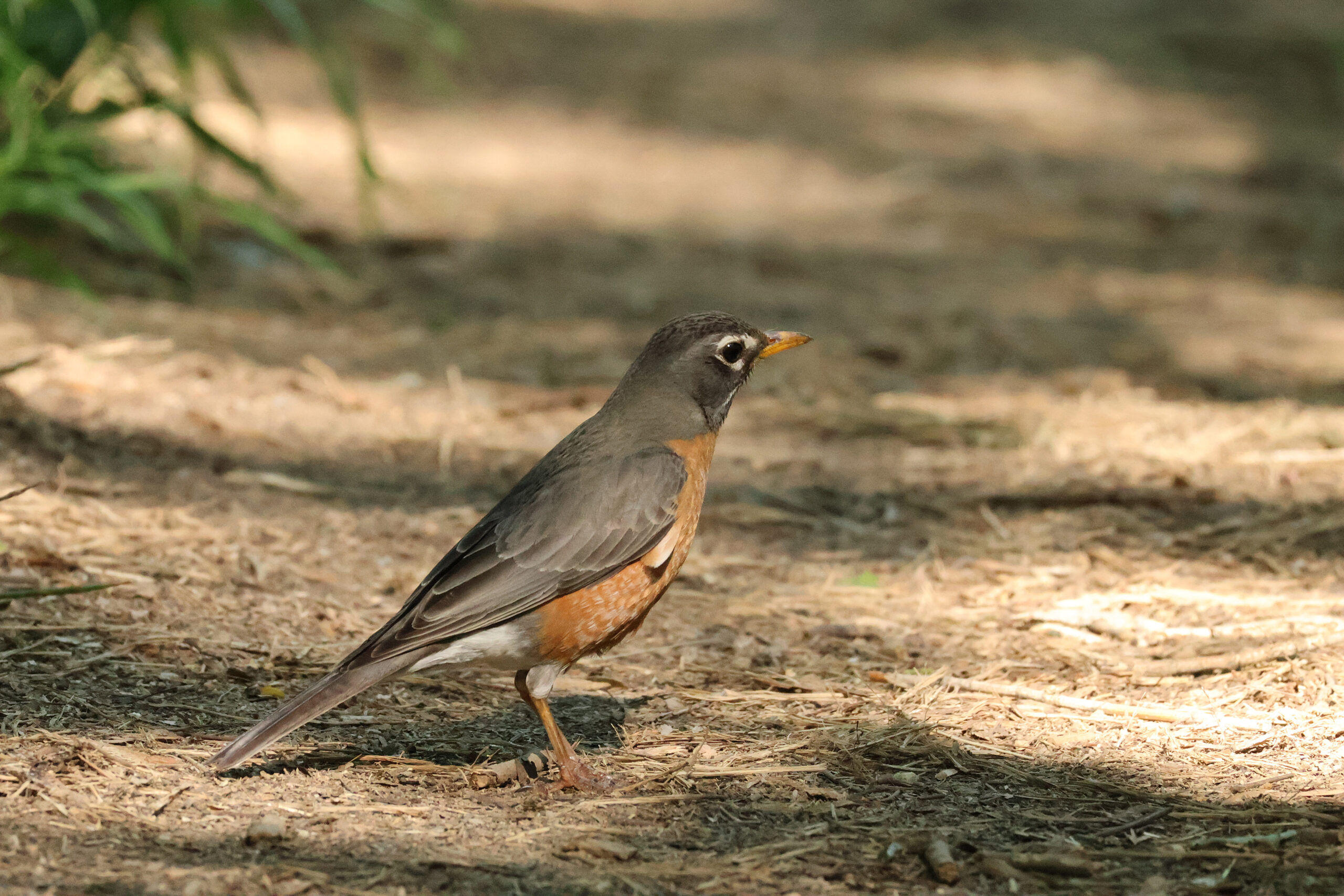
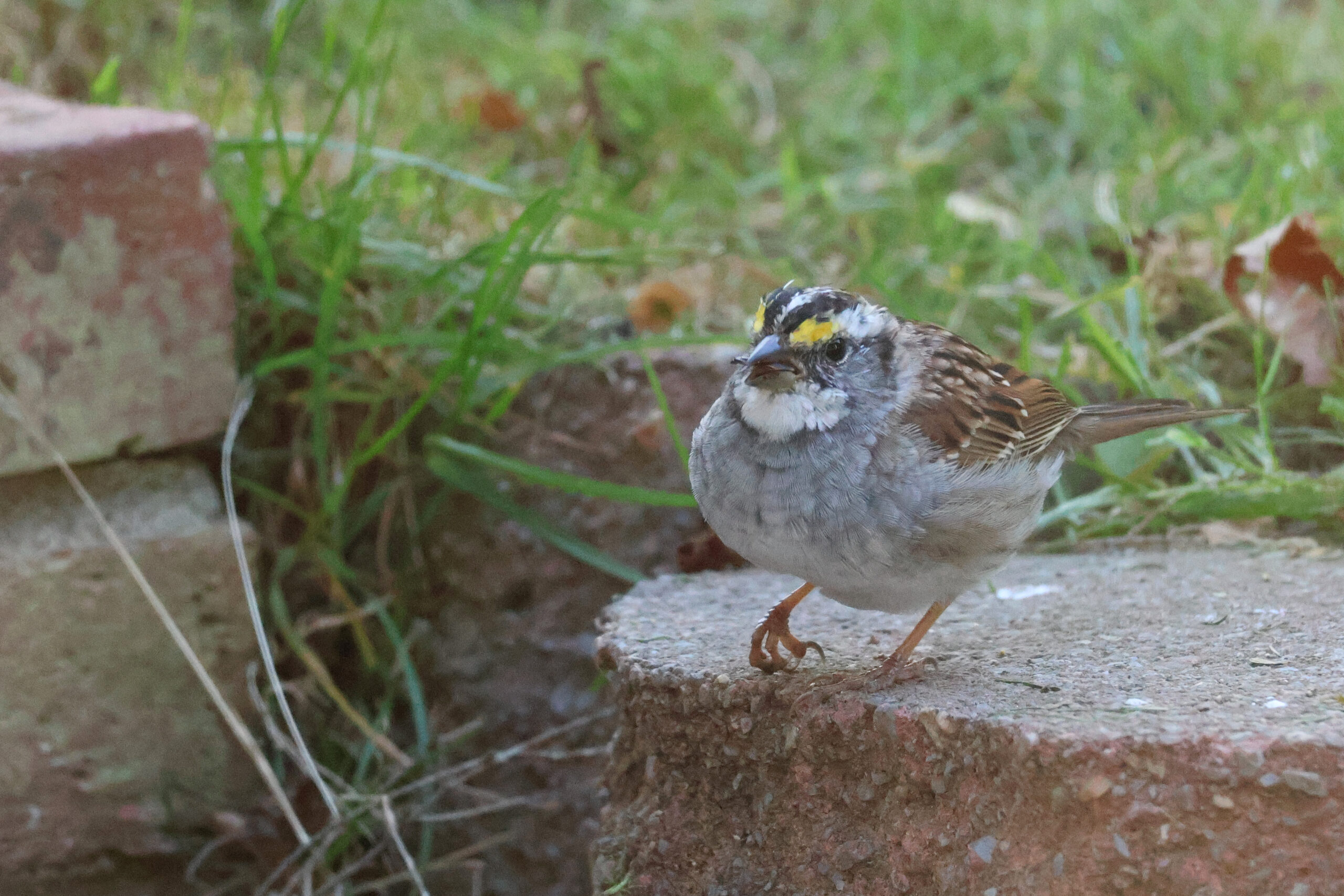
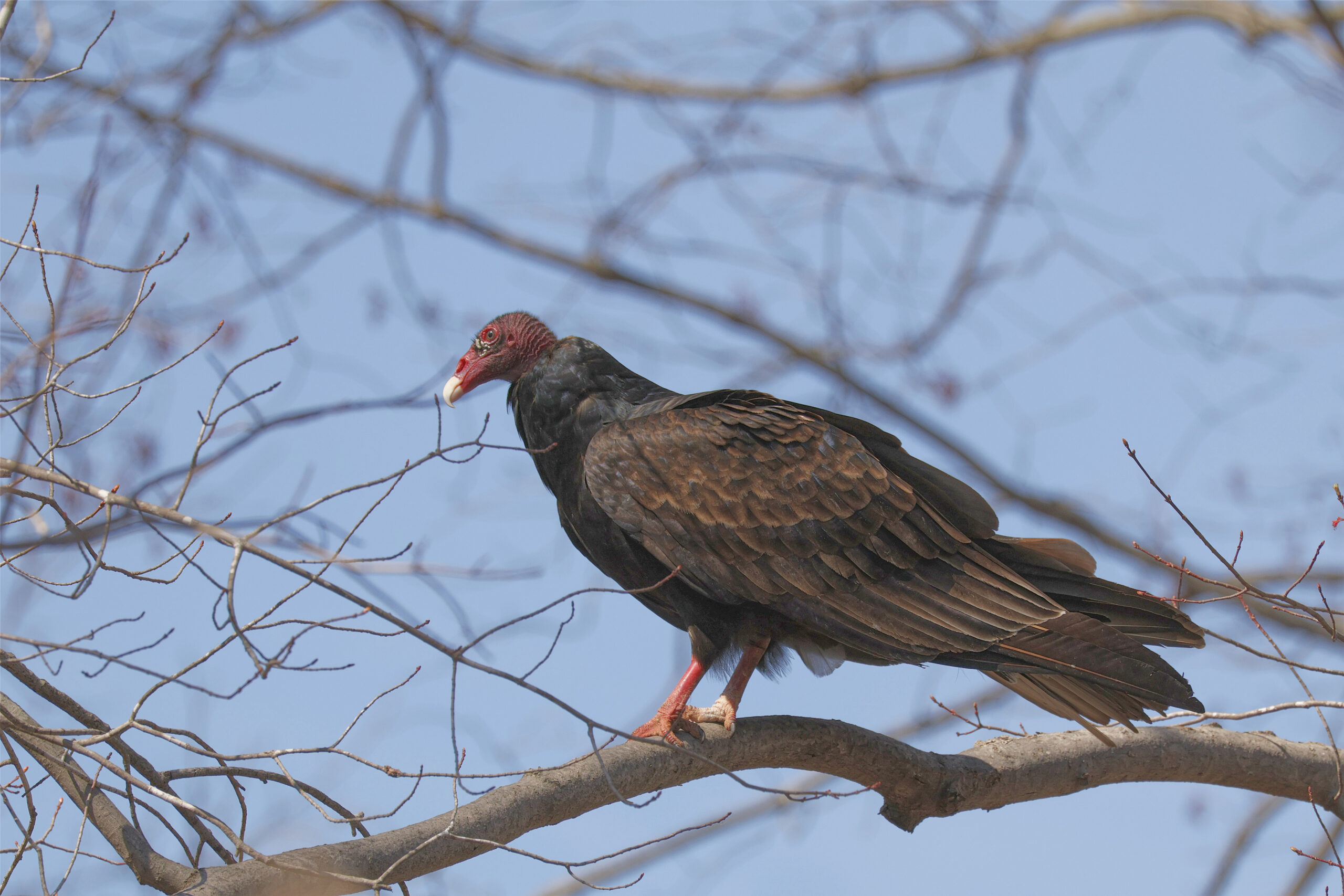
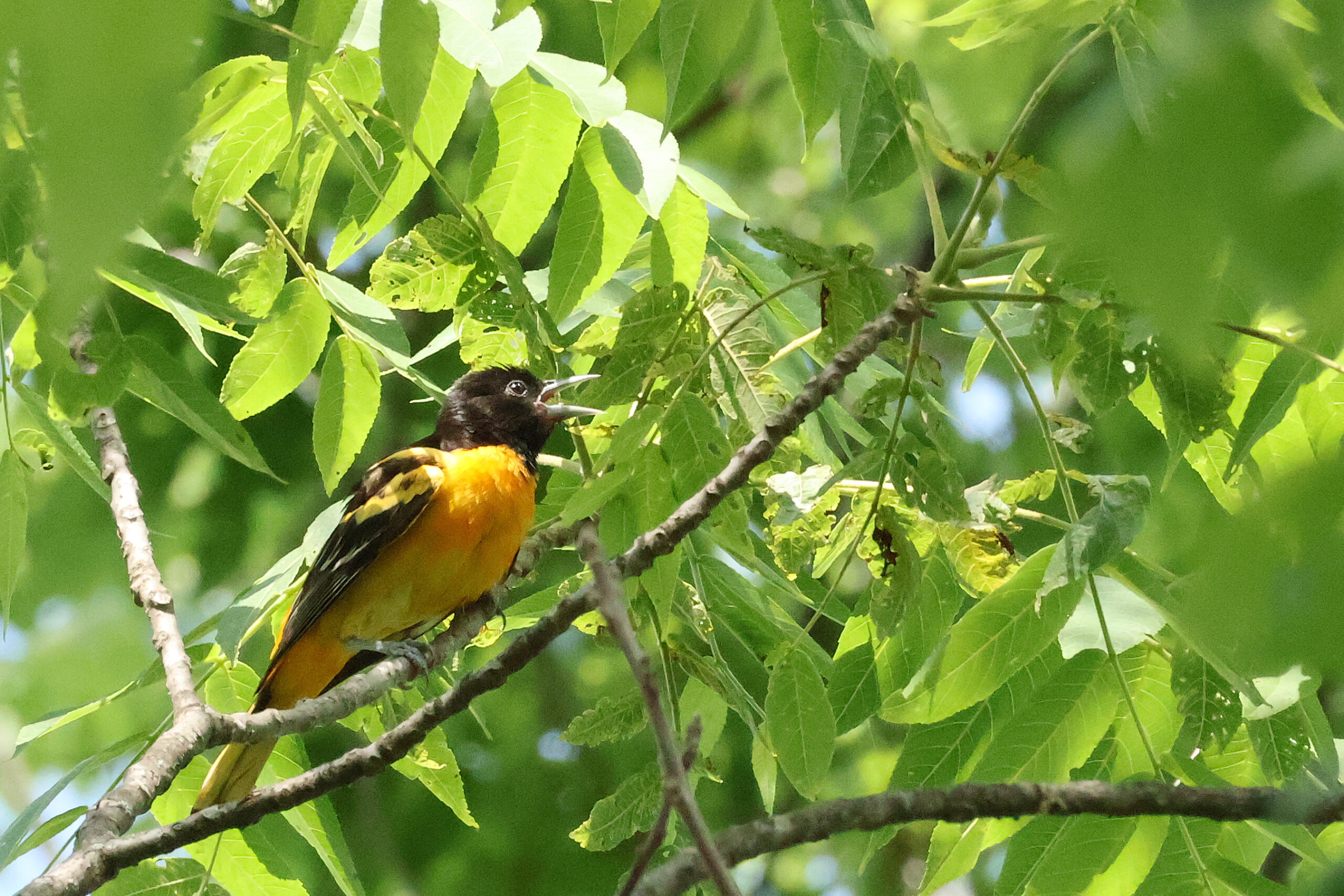
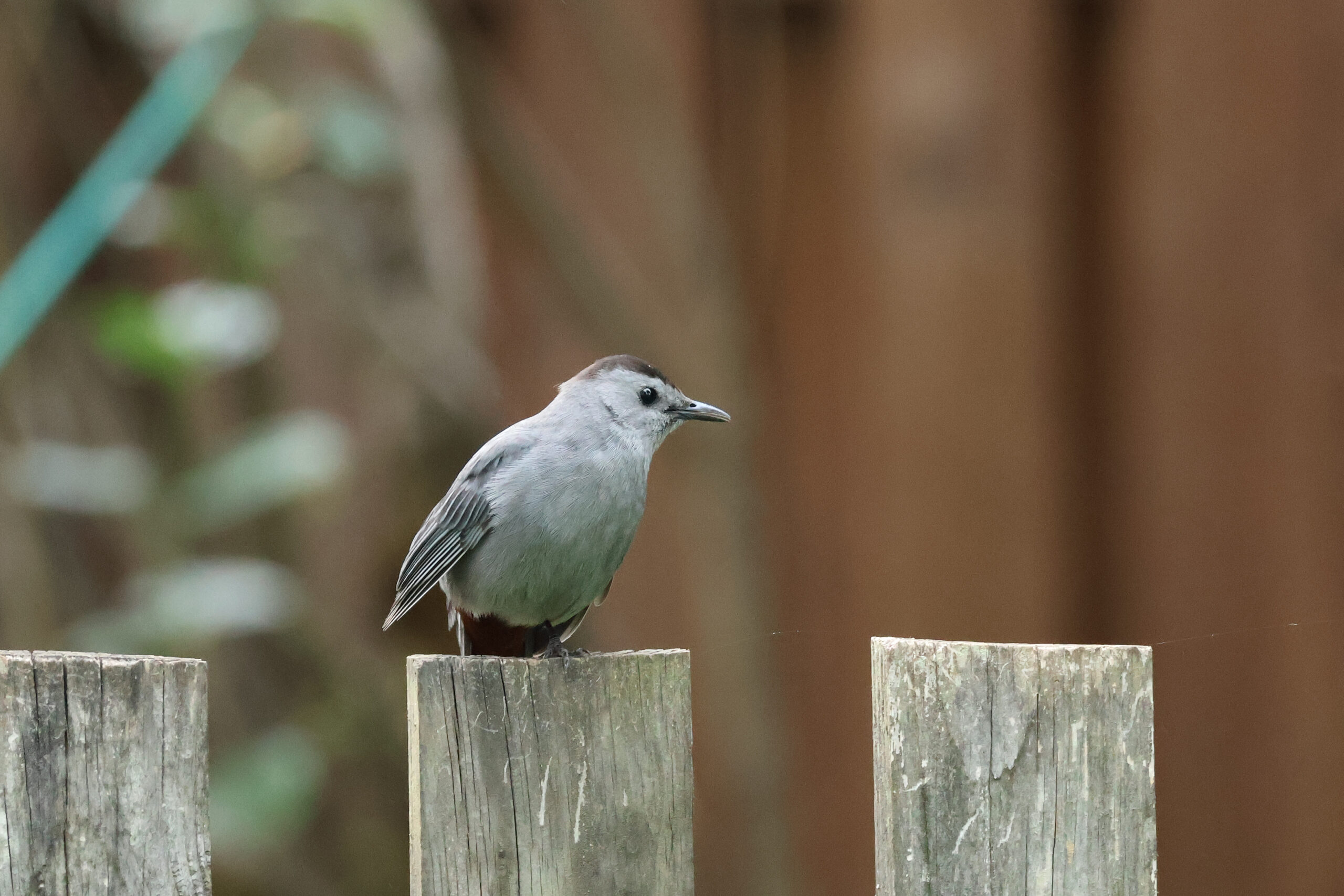
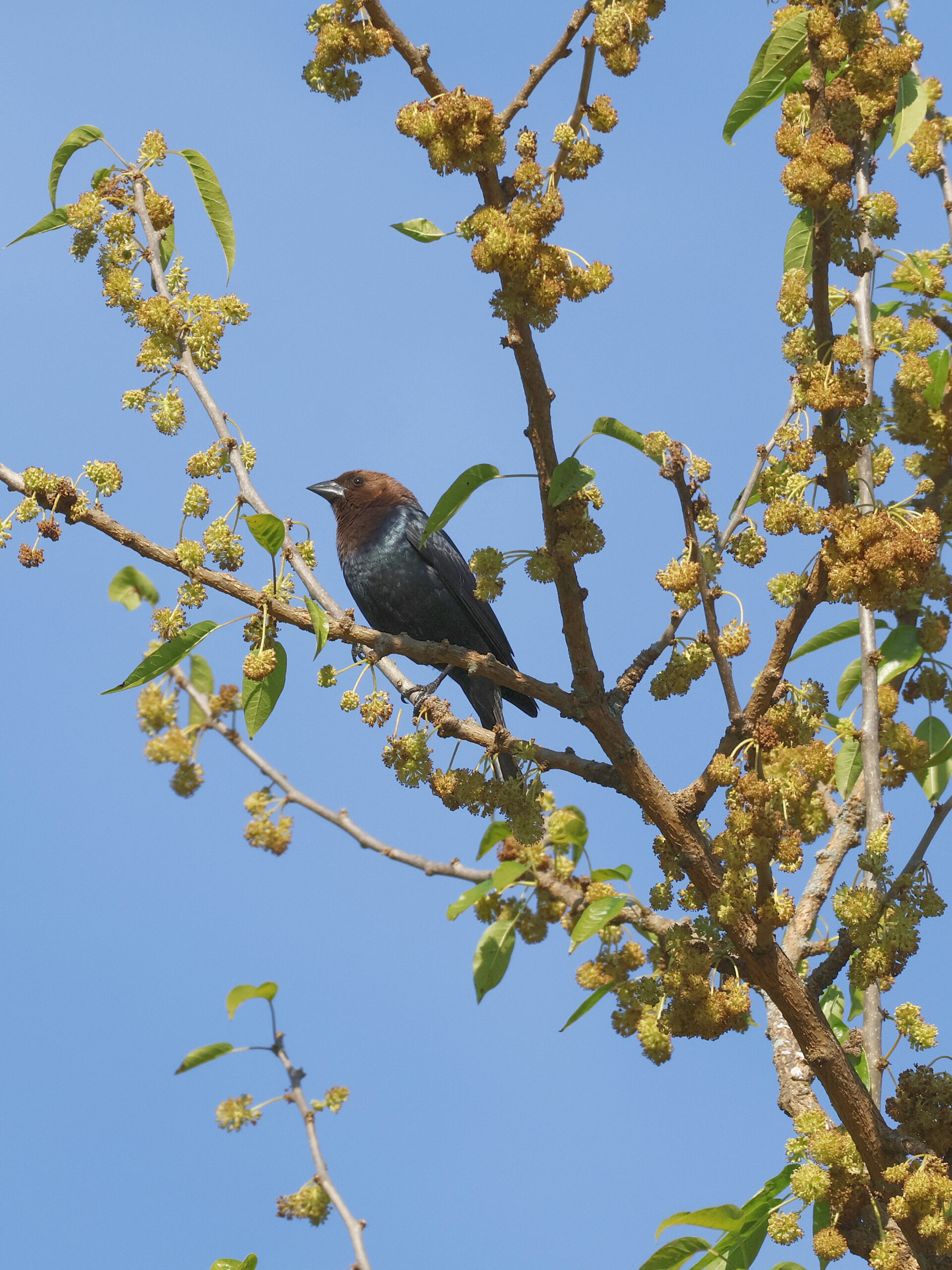
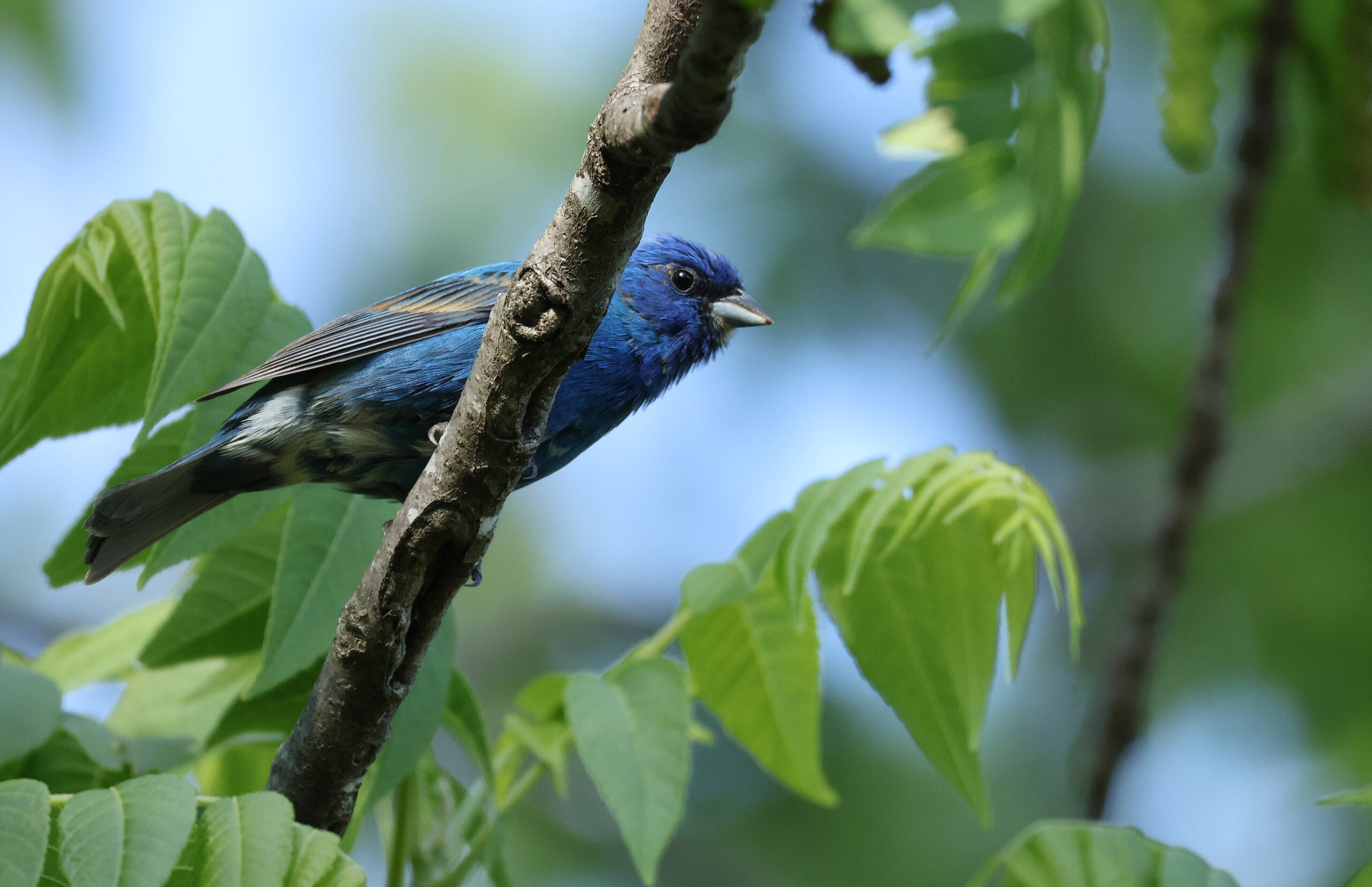
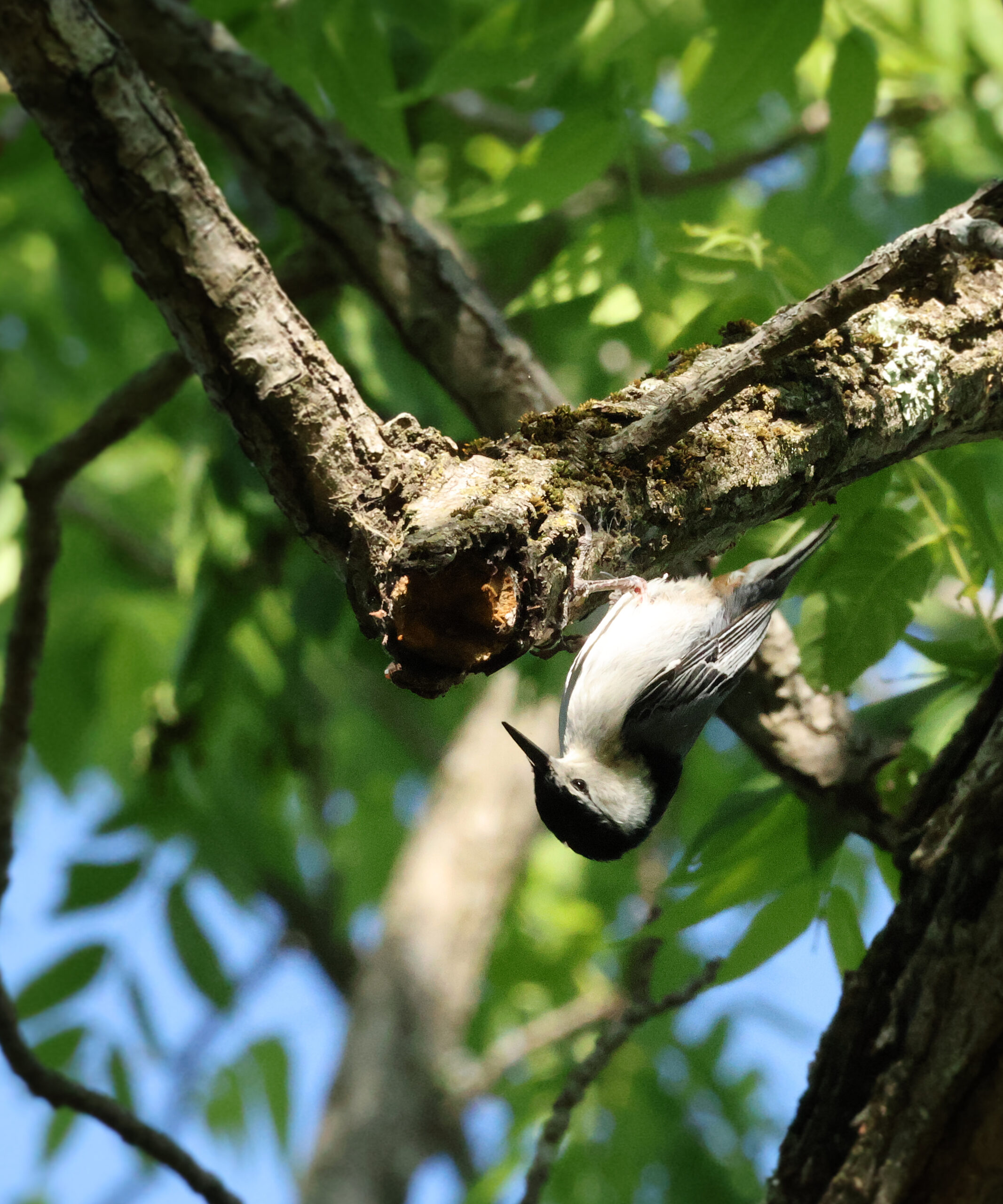
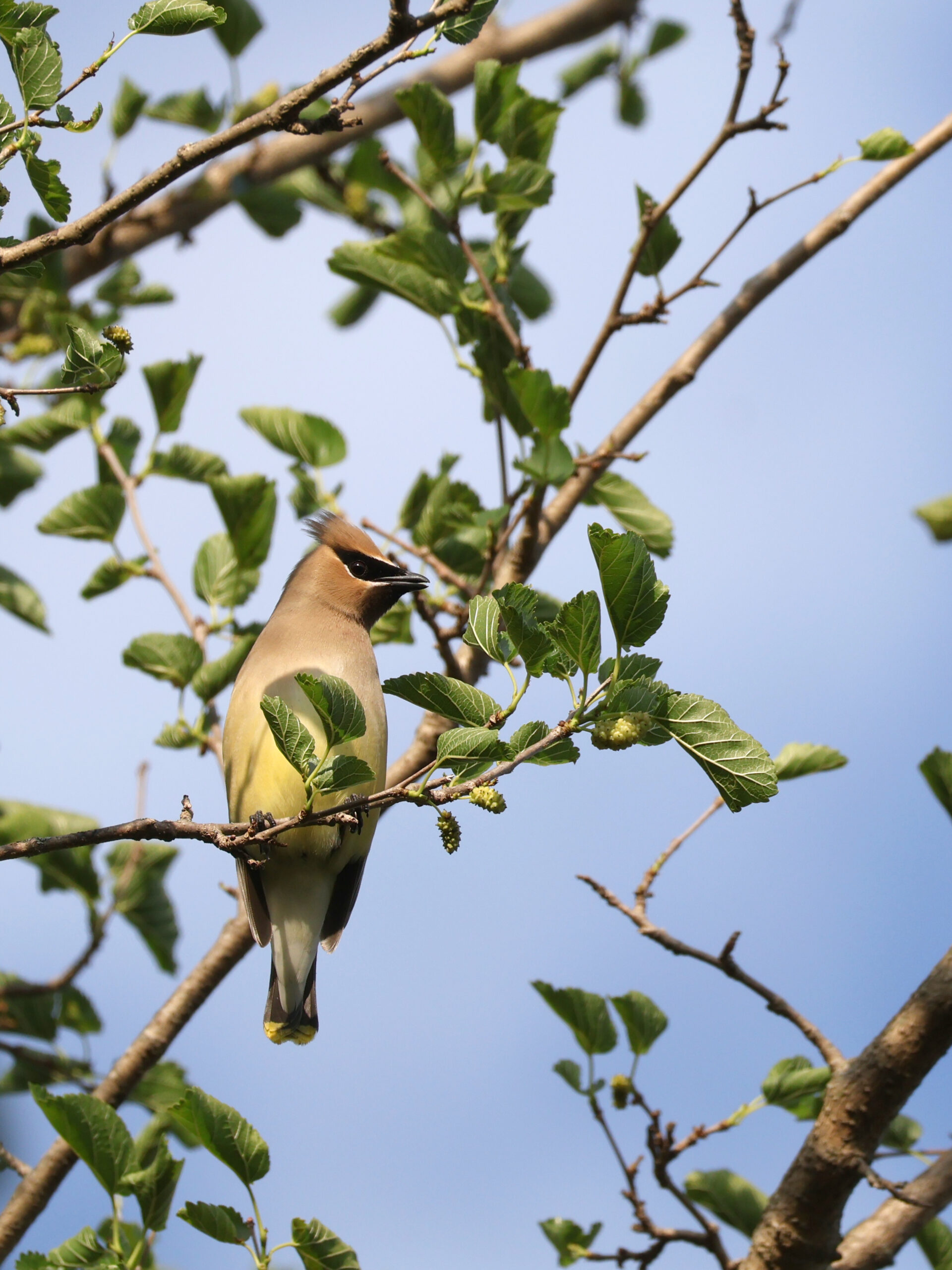
Transitioning from the 2008 Canon G9 to the 2026 Canon R50 has been straightforward. Although there are many more programing options, navigating through the broader menus is intuitive and familiar. I’m learning to adjust to the known light restrictions of the Canon f/5.6-f/8, 100-400mm lens. Regaining the use of an actual through the lens viewfinder (now EVF) after 18 years has also been a great relief. I’m sure, Kathy from the “Hills” agrees. The days of sun glare on a fixed, low-res display are resolved. Here are some of my first attempts to capture life through the mirrorless lens. The images in this post are mostly limited to experiments with the 100-400mm zoom lens and are somewhat mundane. I’m concentrating on rudimentary exposure and clarity issues at this point.
Fur
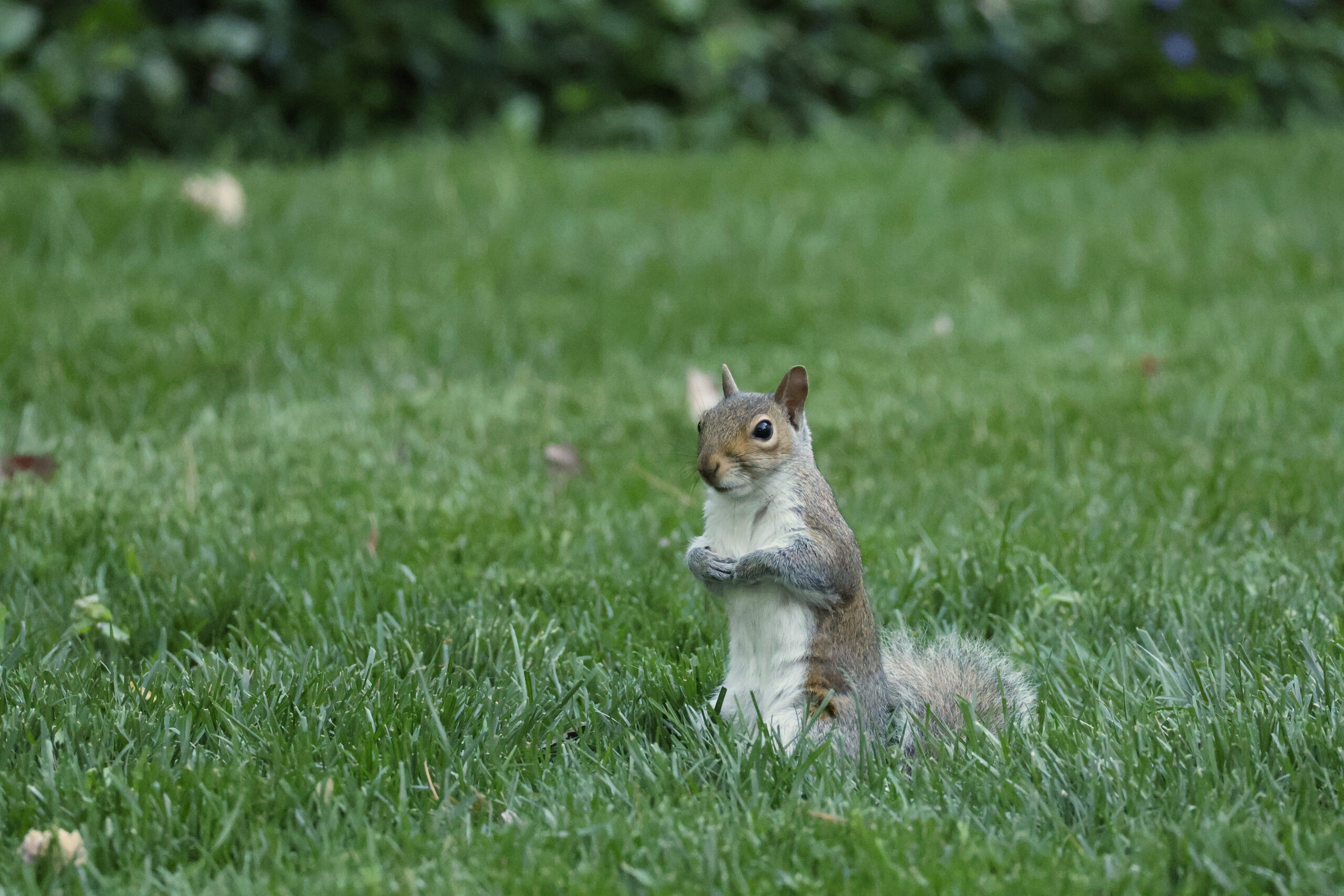
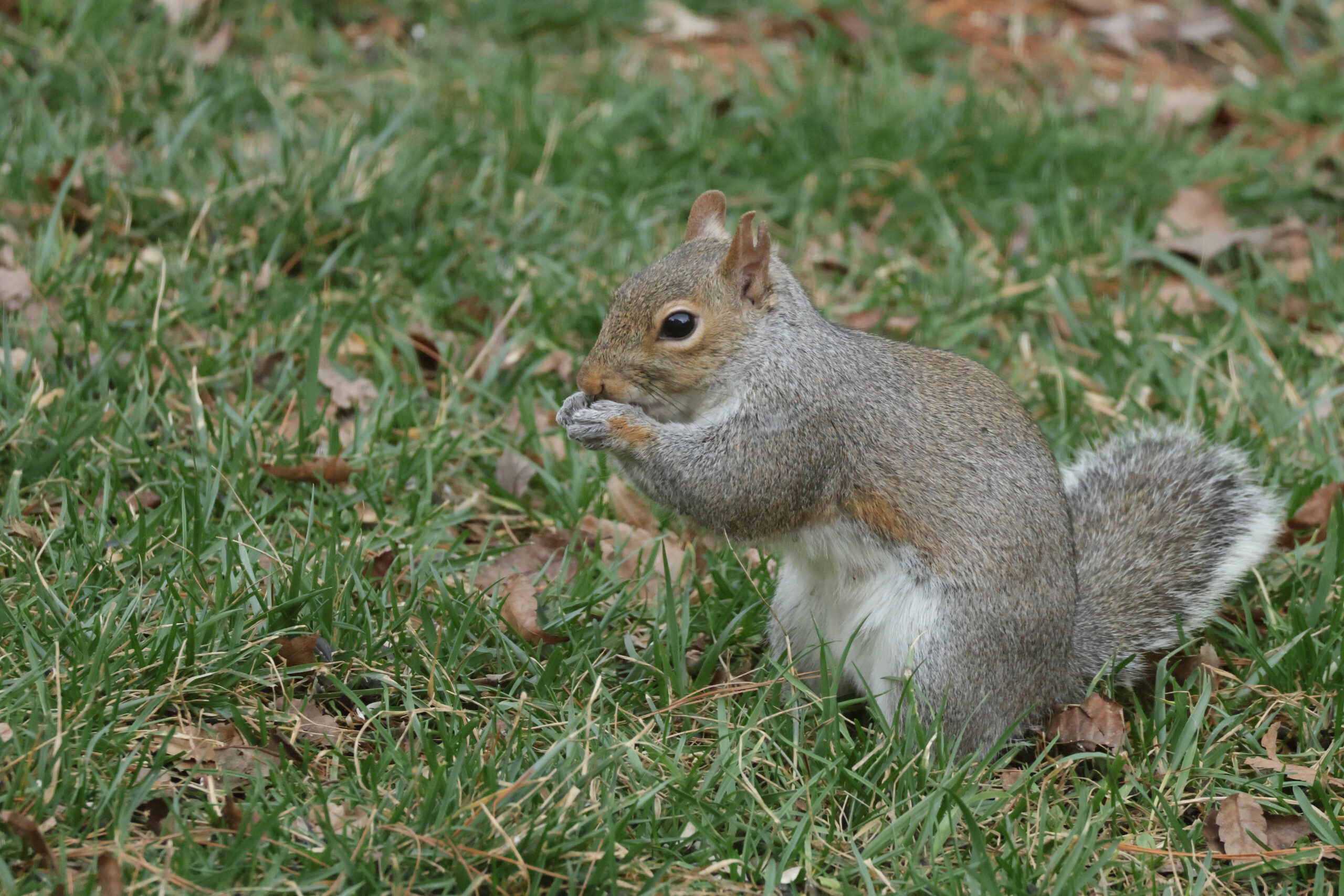
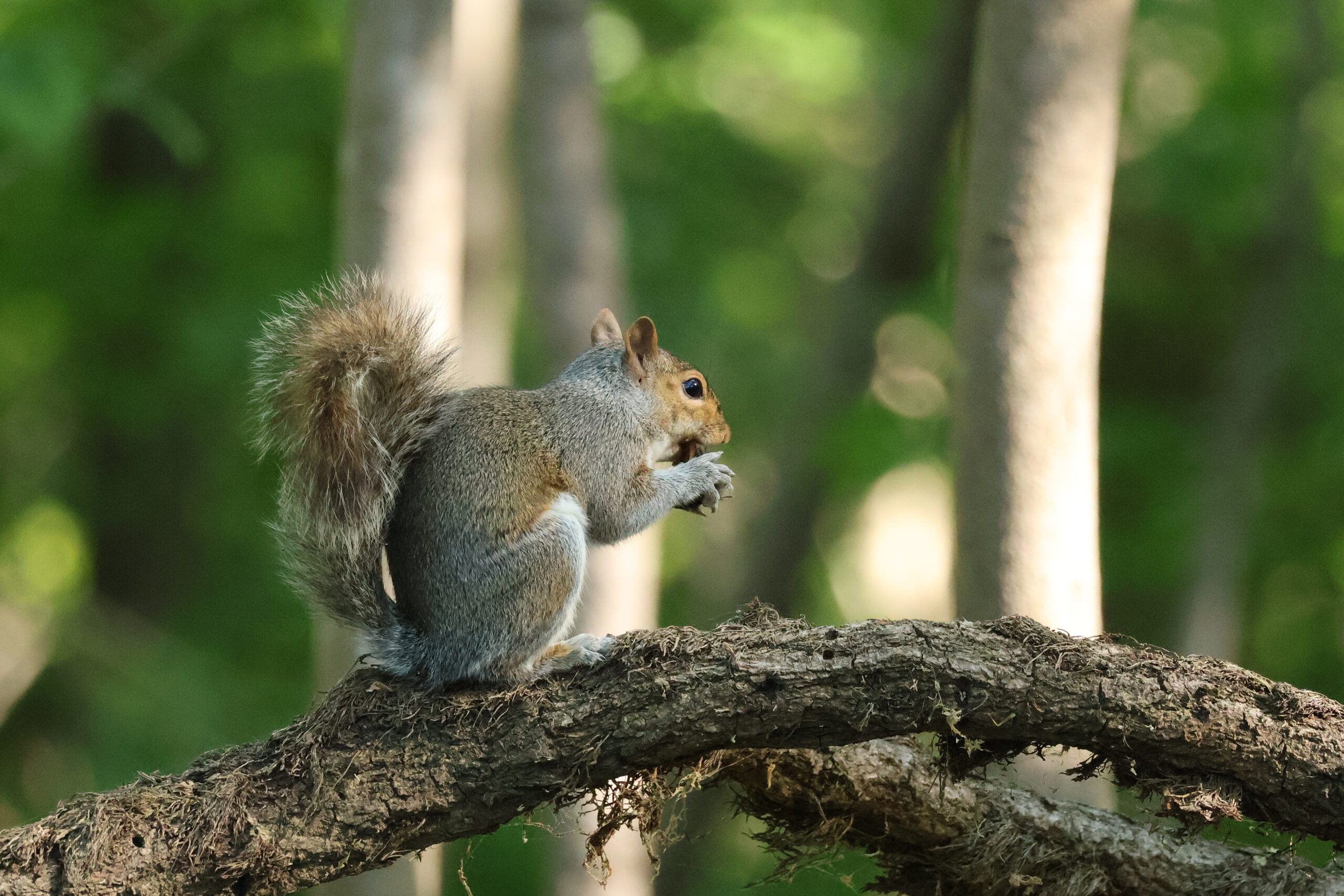
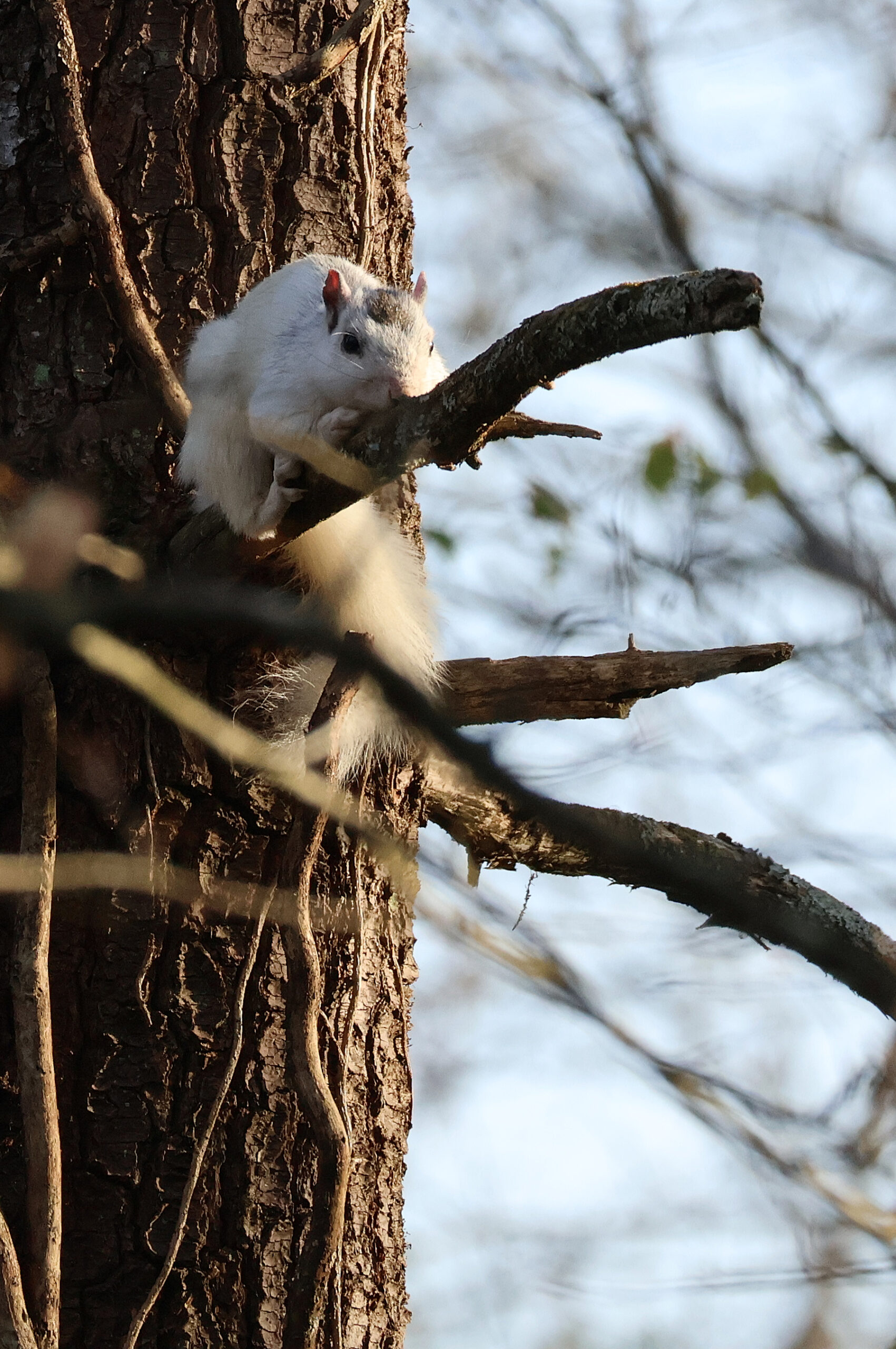
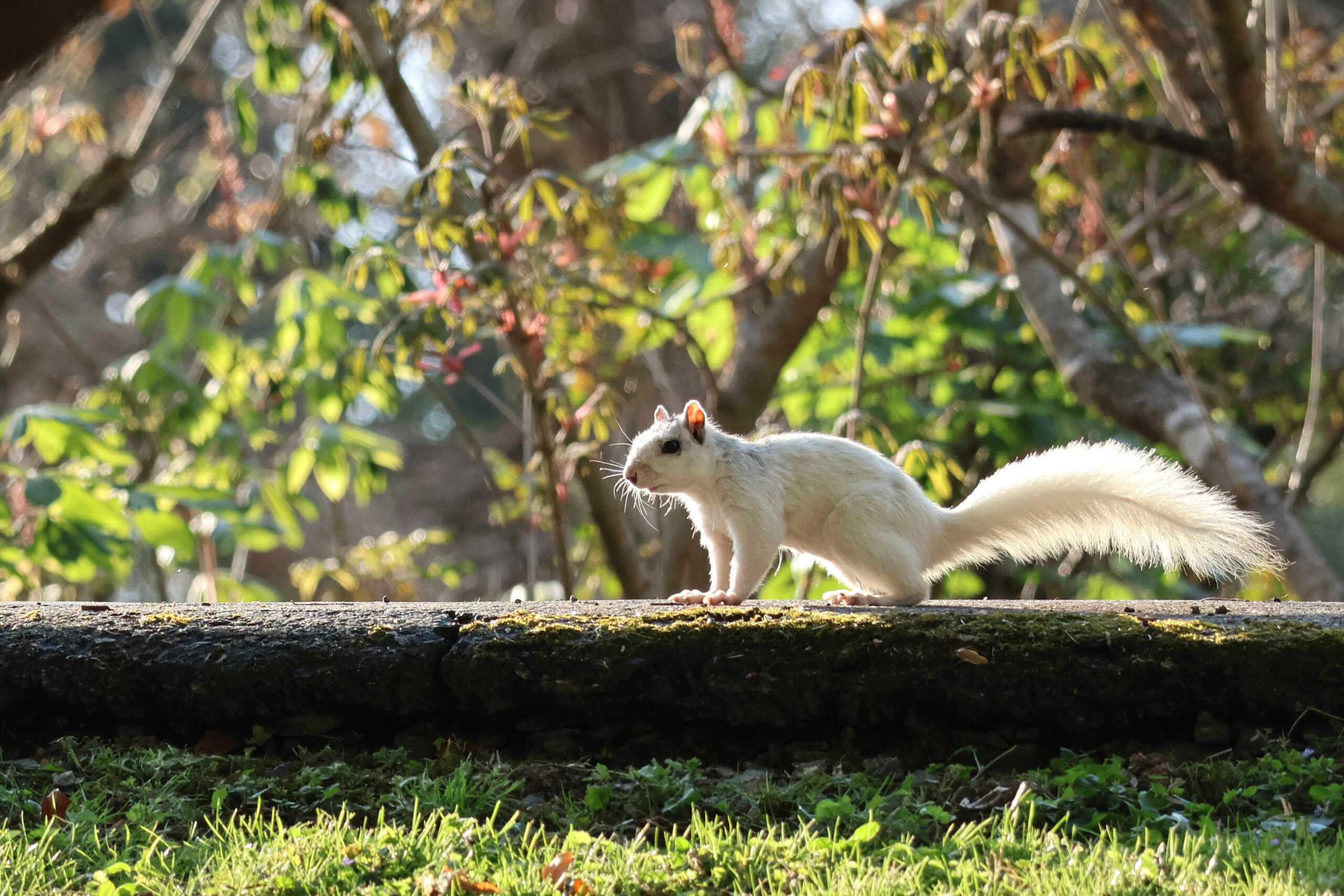
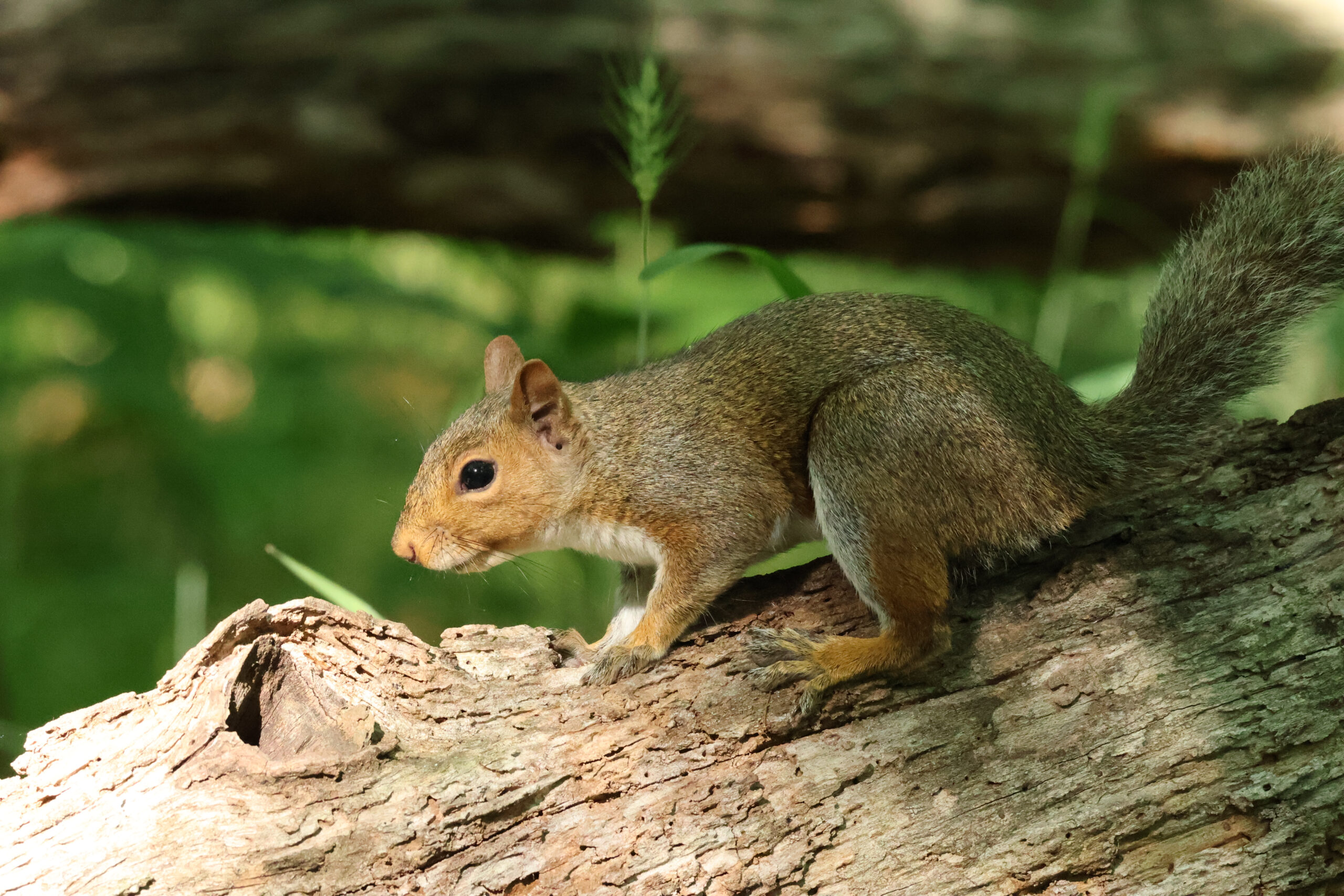
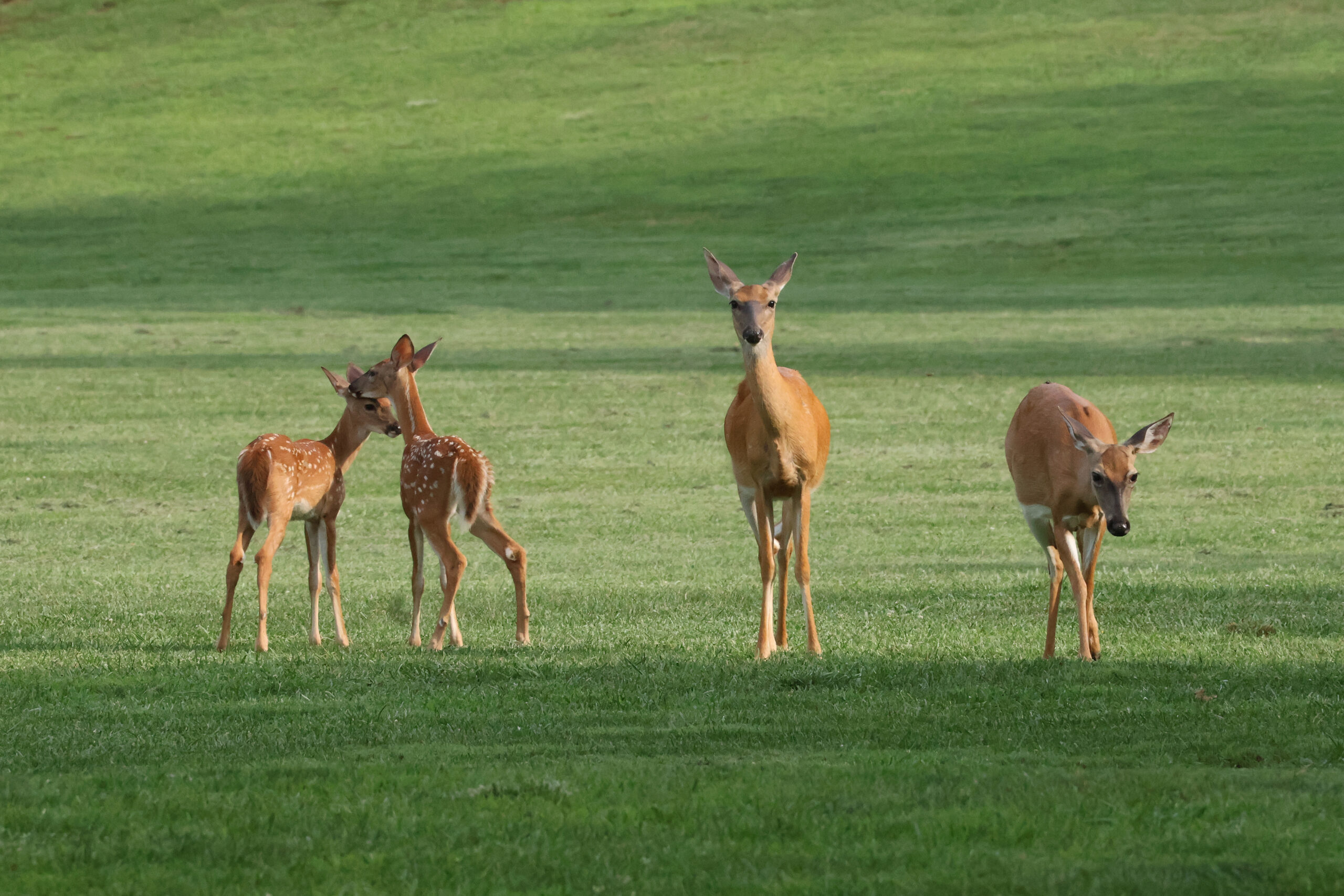
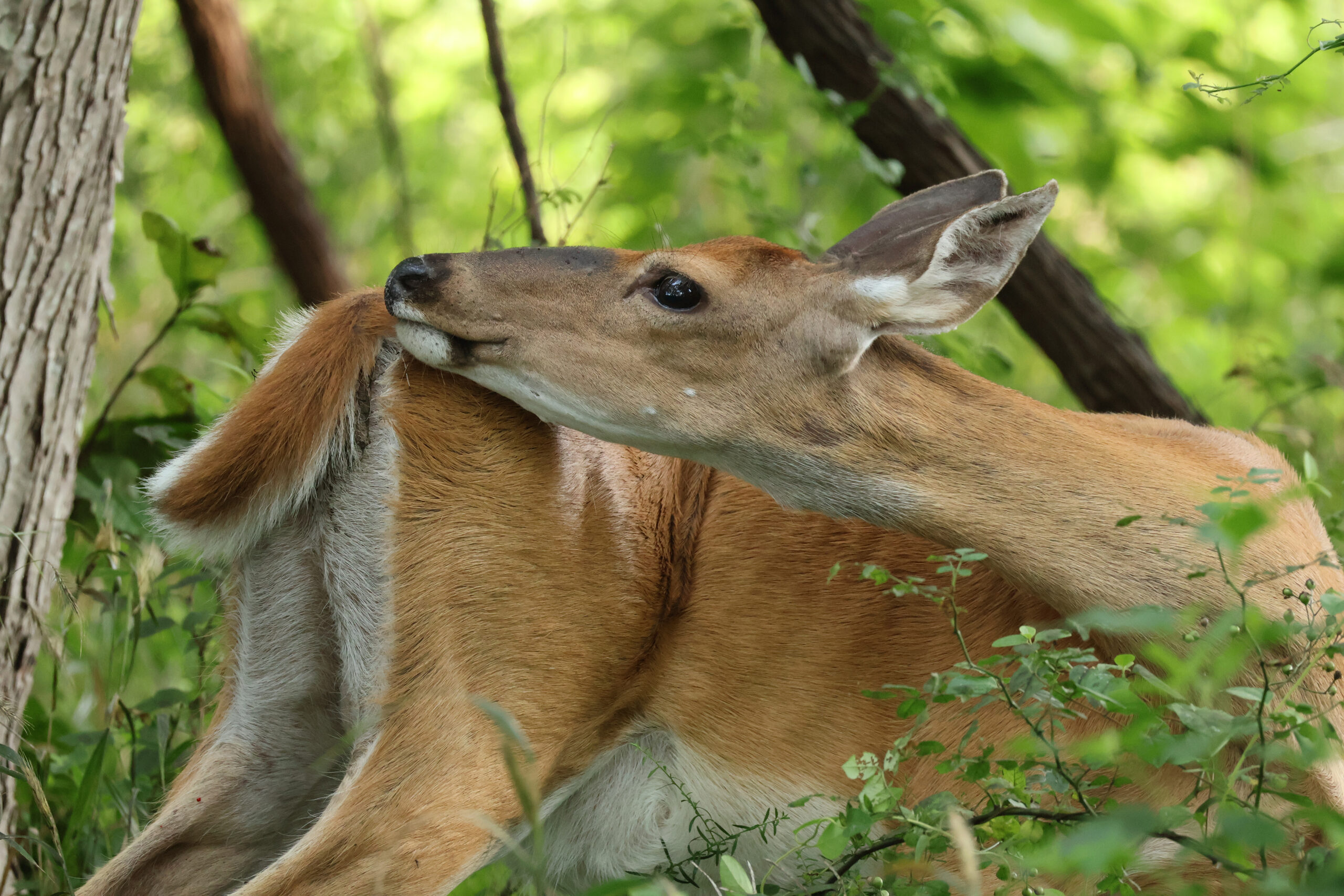
Gray Squirrel in Back YardBackyard Squirrel under Bird FeederGray Squirrel on a BranchGray Squirrel Eating Nut on GroundGray Squirrel Down Tree TrunkGray Squirrel with Nut on Tree TrunkNibbling Squirrel in the WoodsSquirrel Says HelloSquirrel Cooling in Bird BathWhite Squirrel Relaxing on LimbWhite Squirrel on a FenceSquirrel on LogDoes and Fawns on the Driving RangeDoe a Deer, a Female DeerCurious DoeSpotted FawnCurious FawnDoe Grooming
Feathers
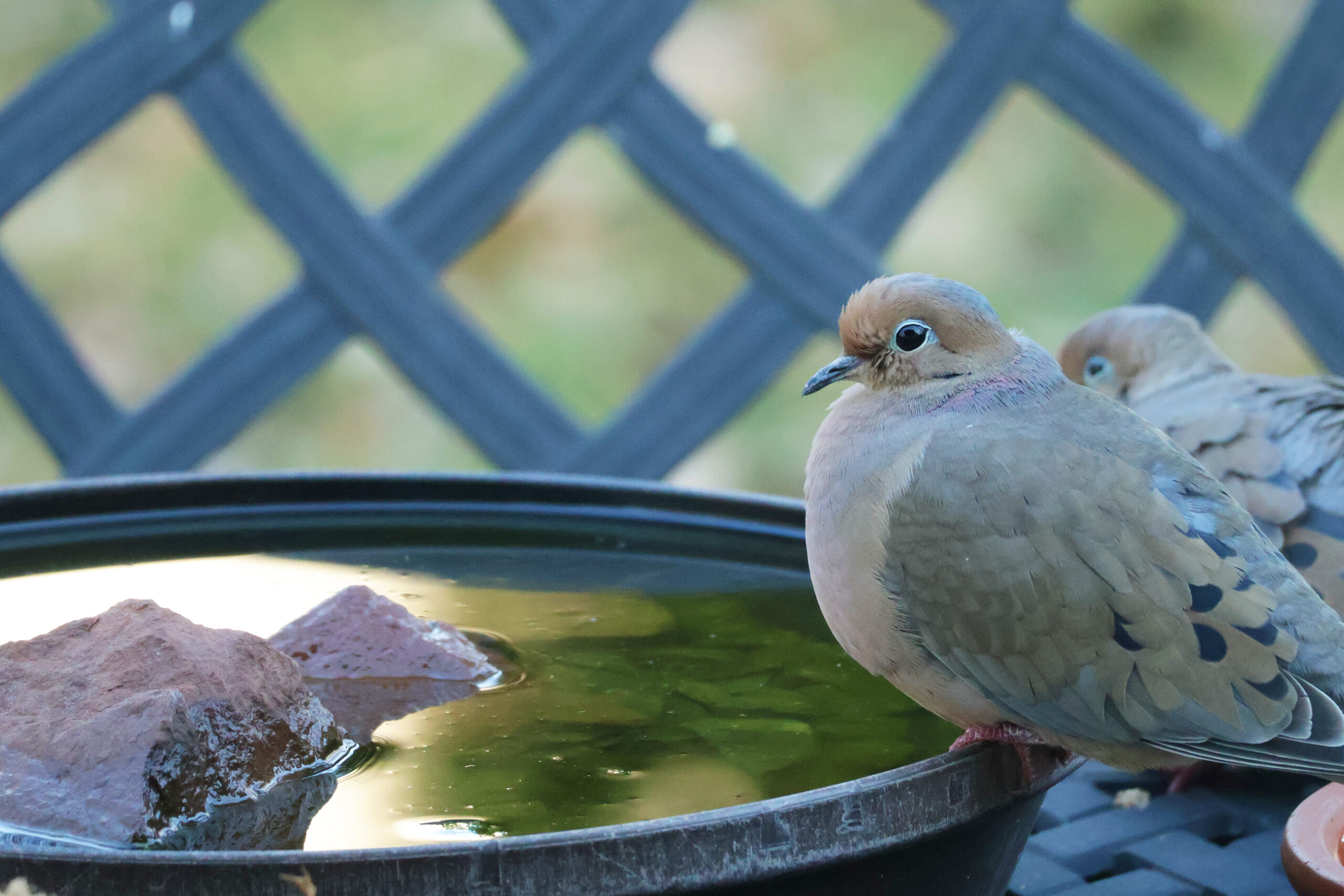
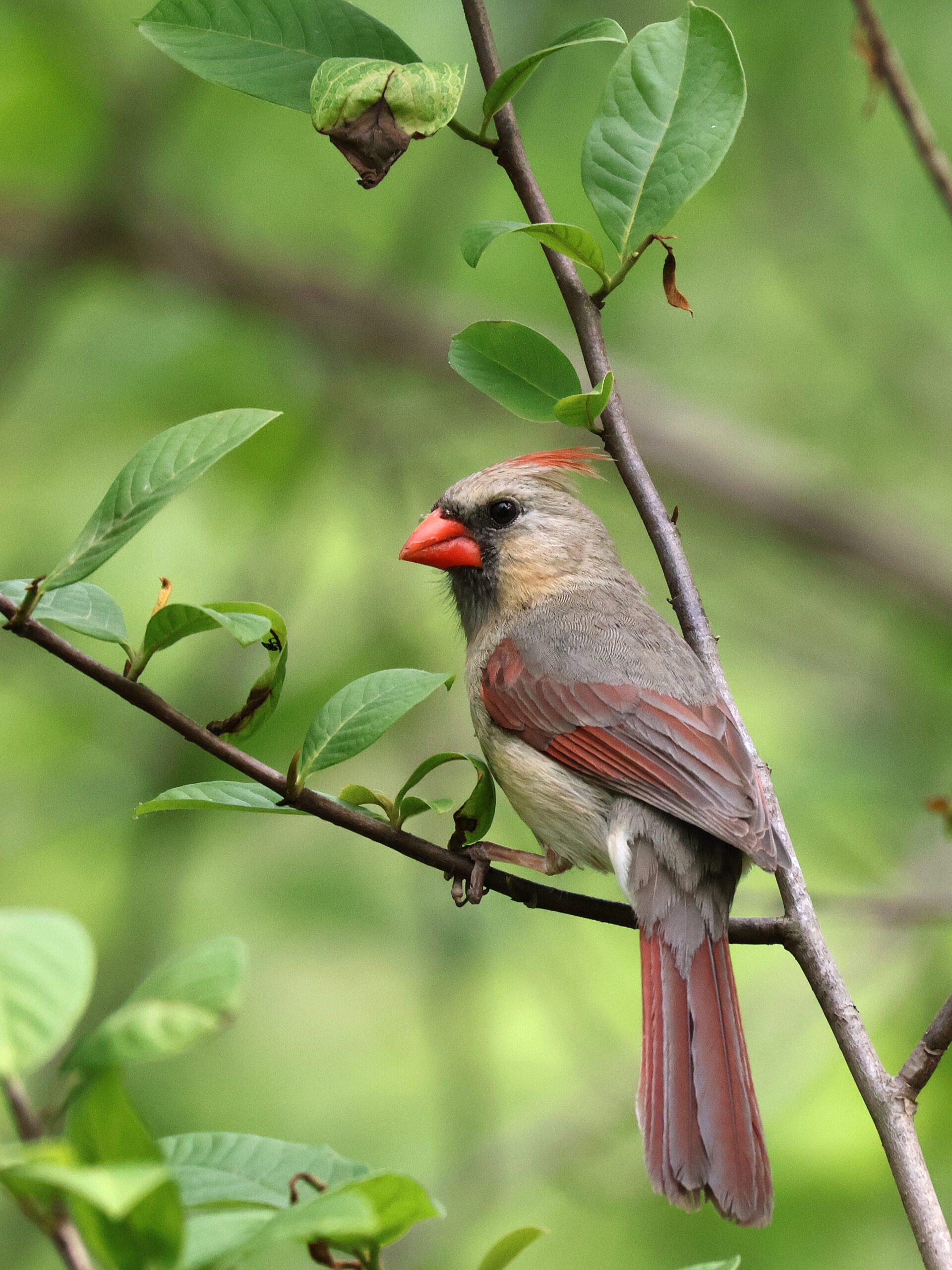
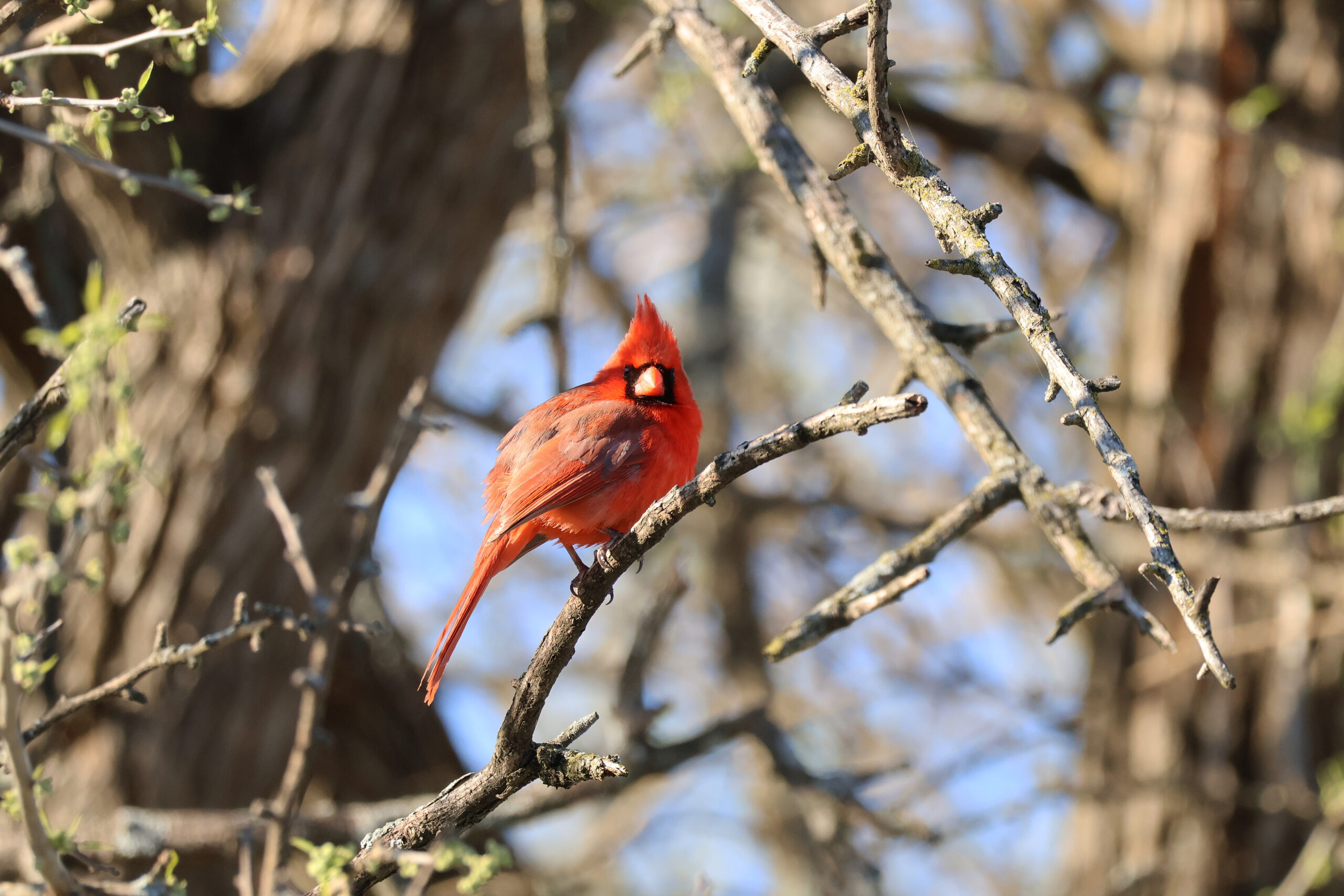
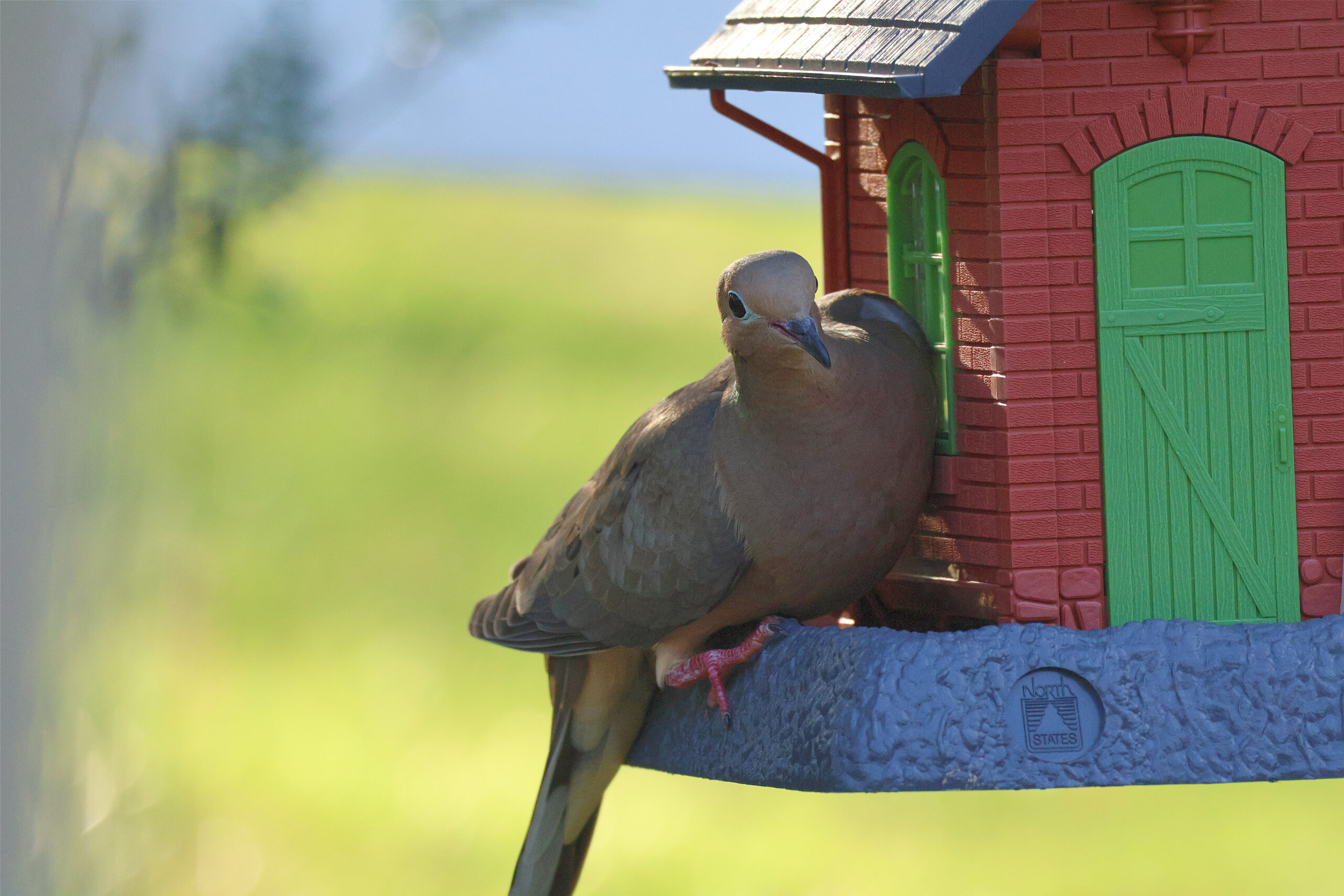
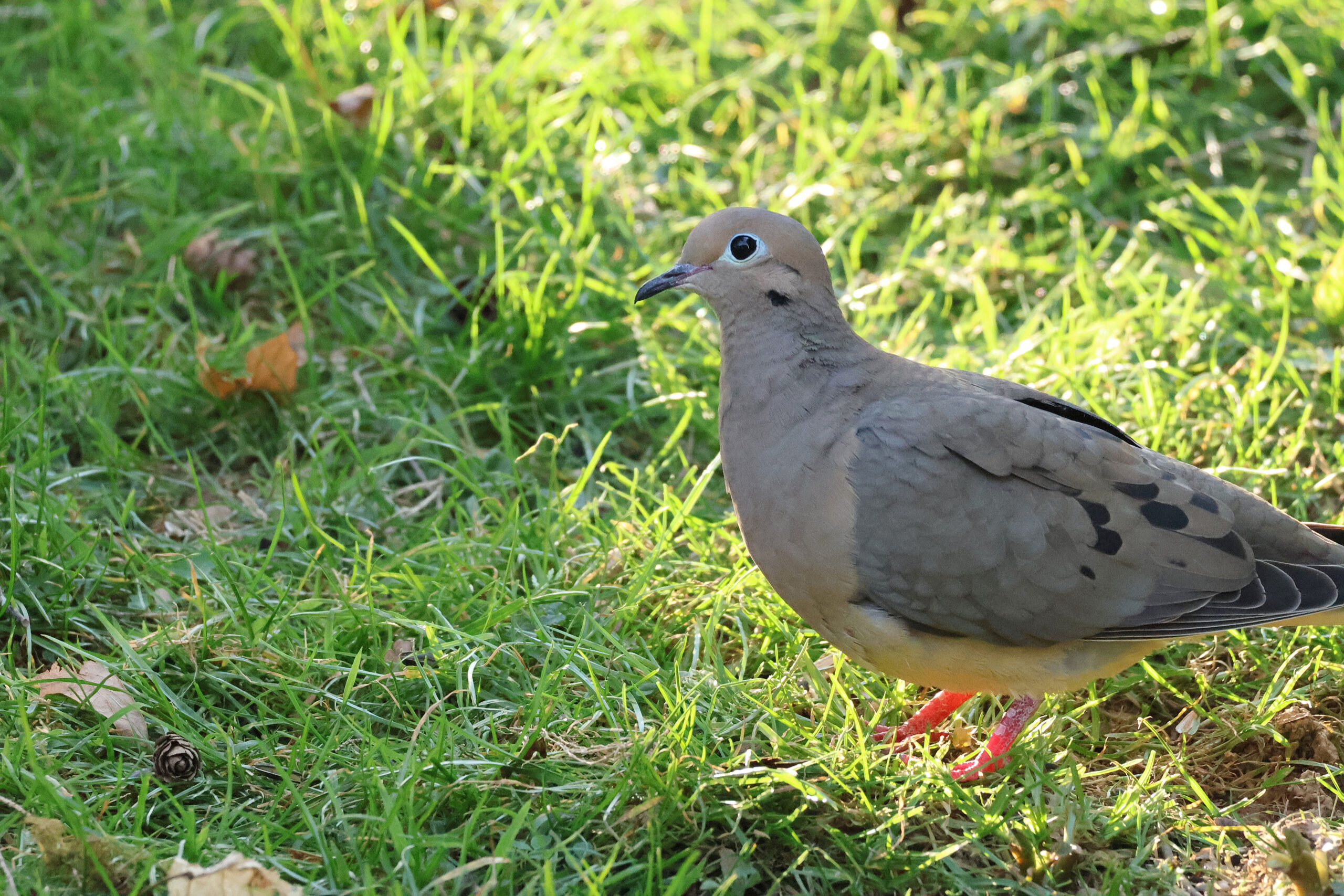
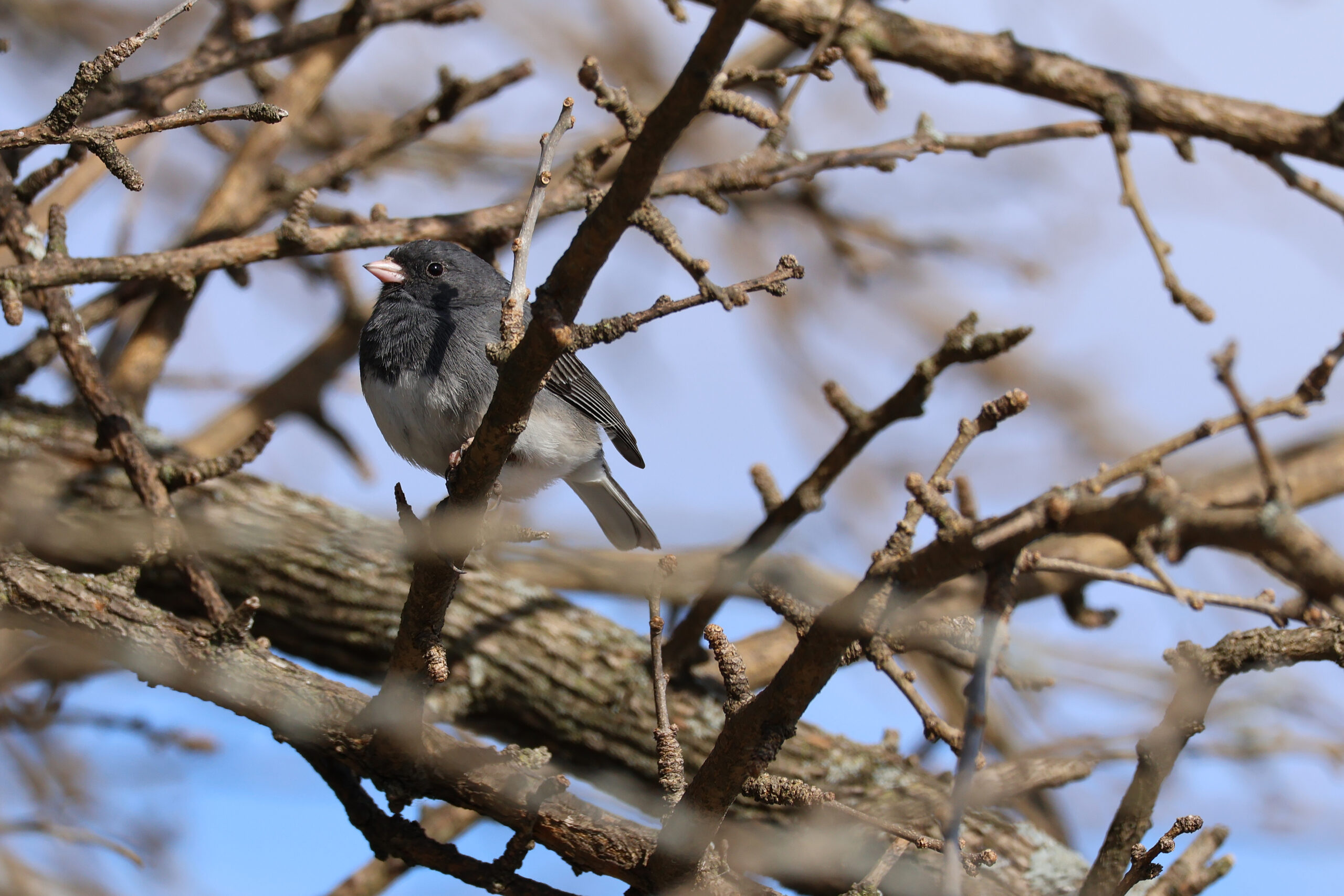
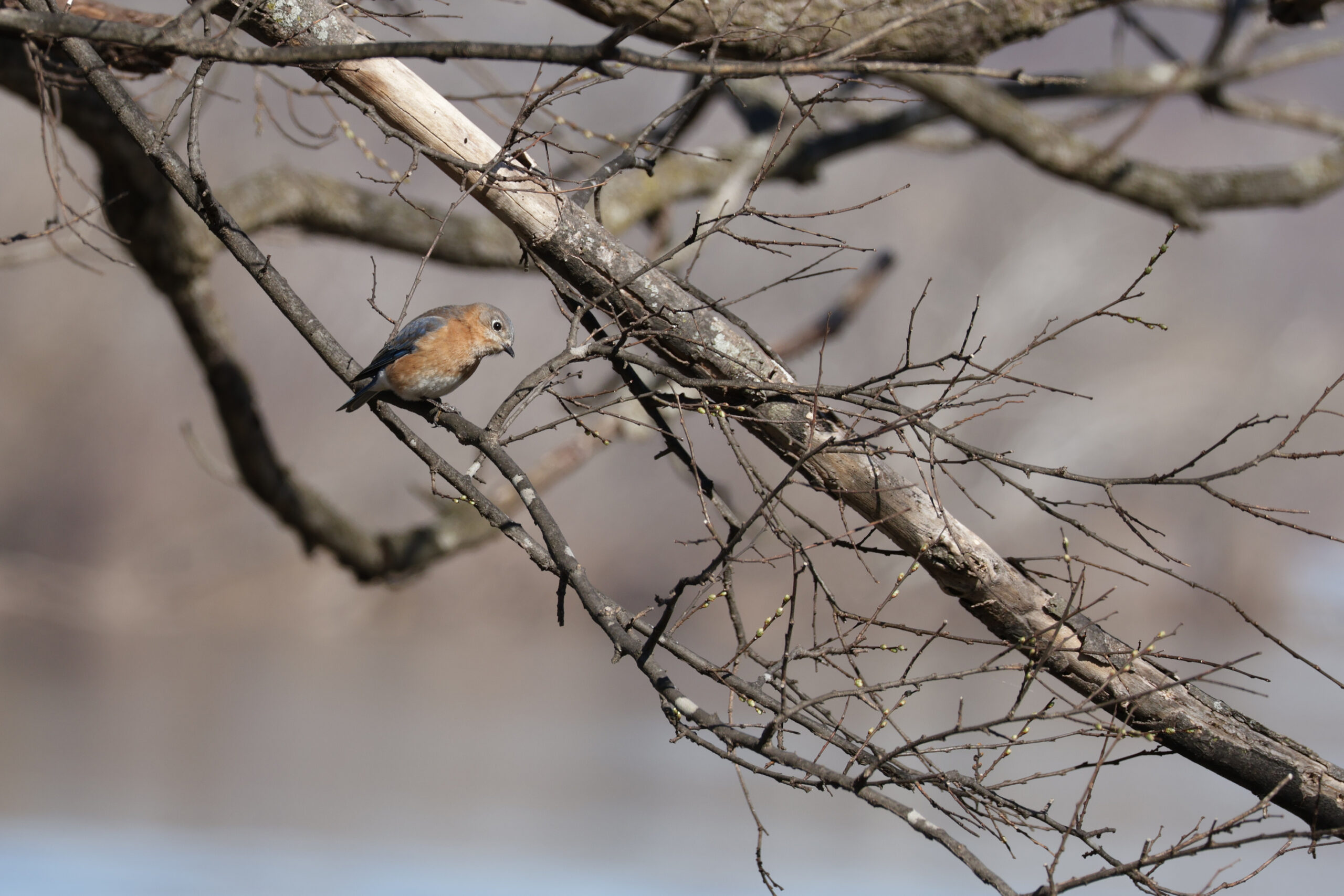
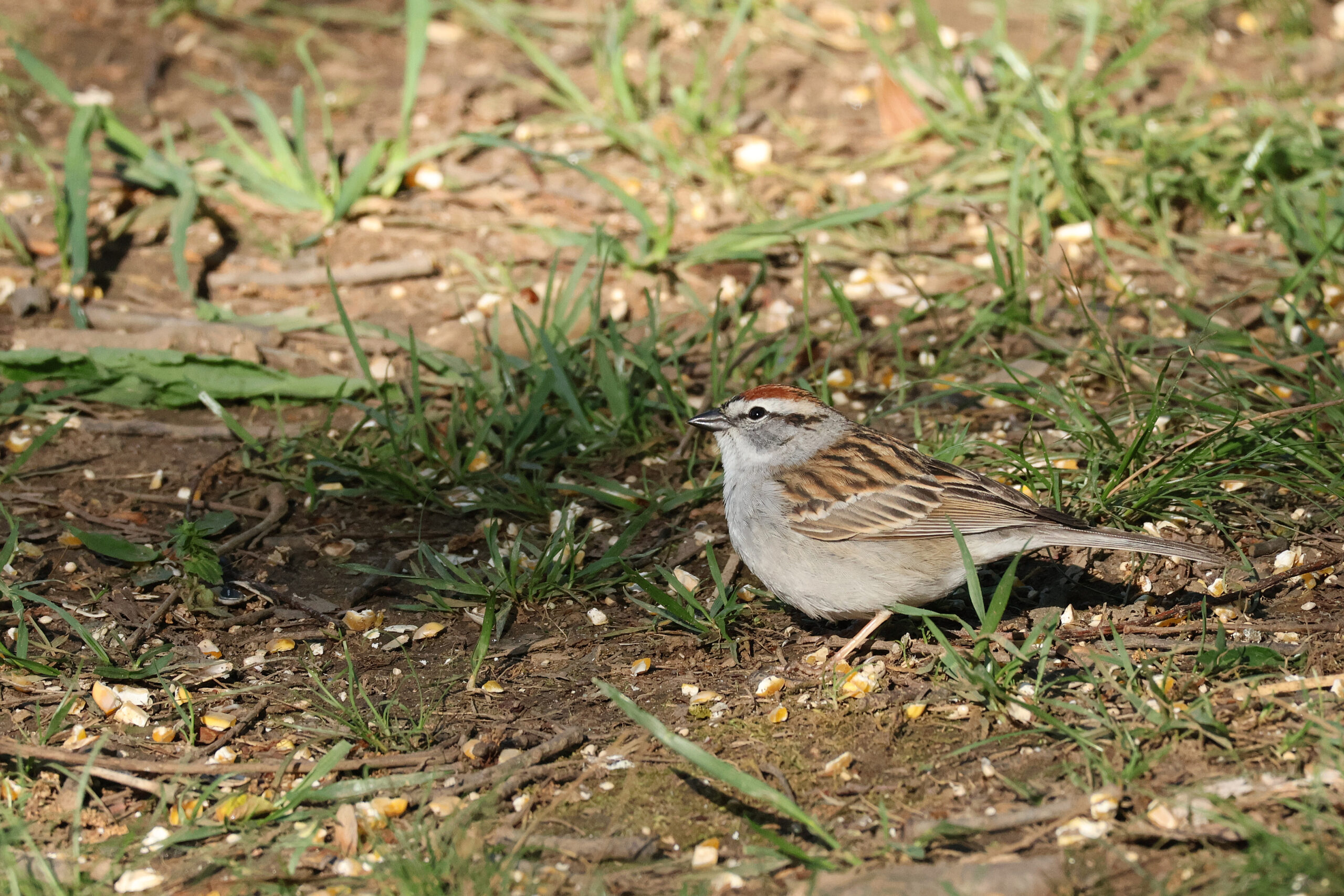
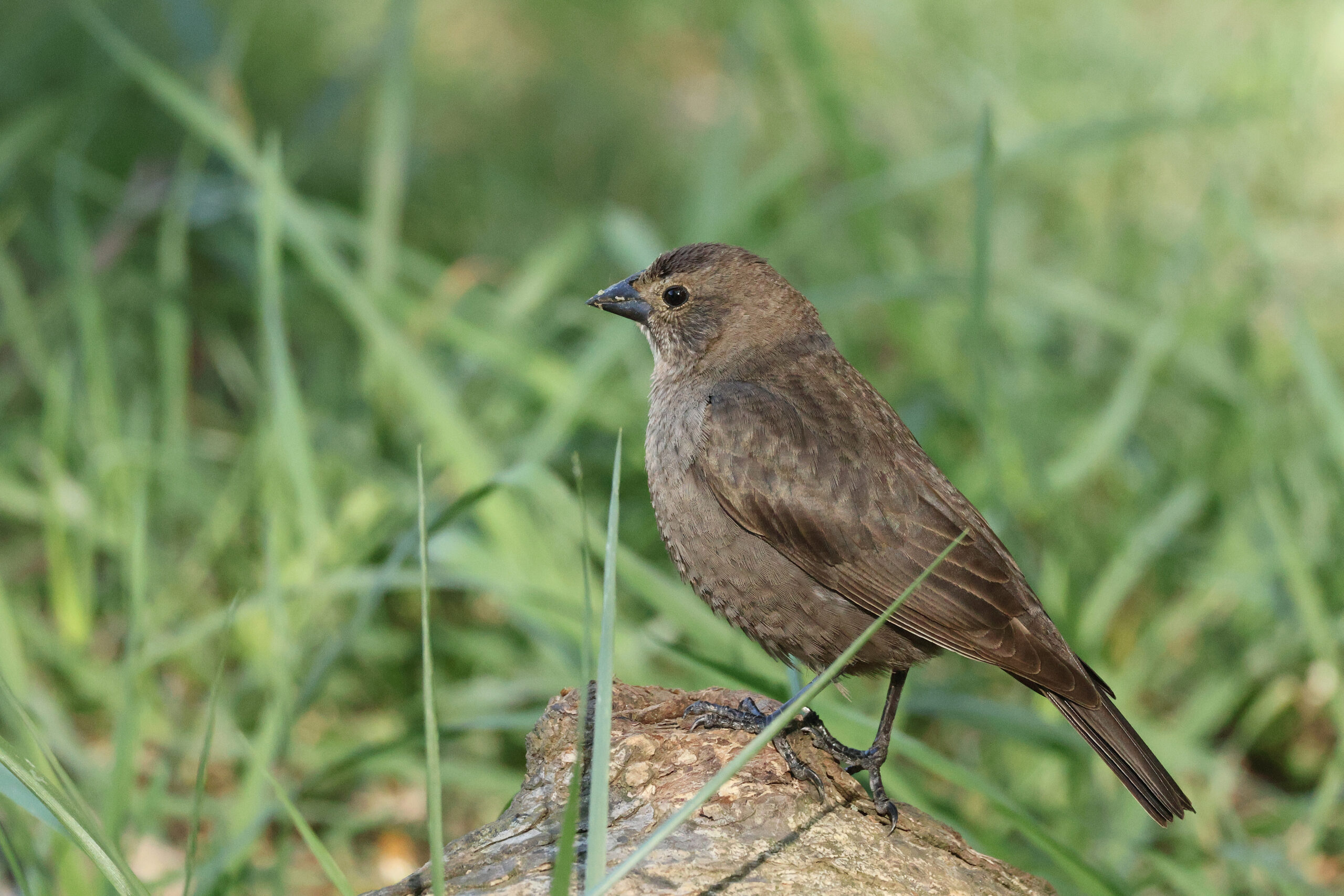
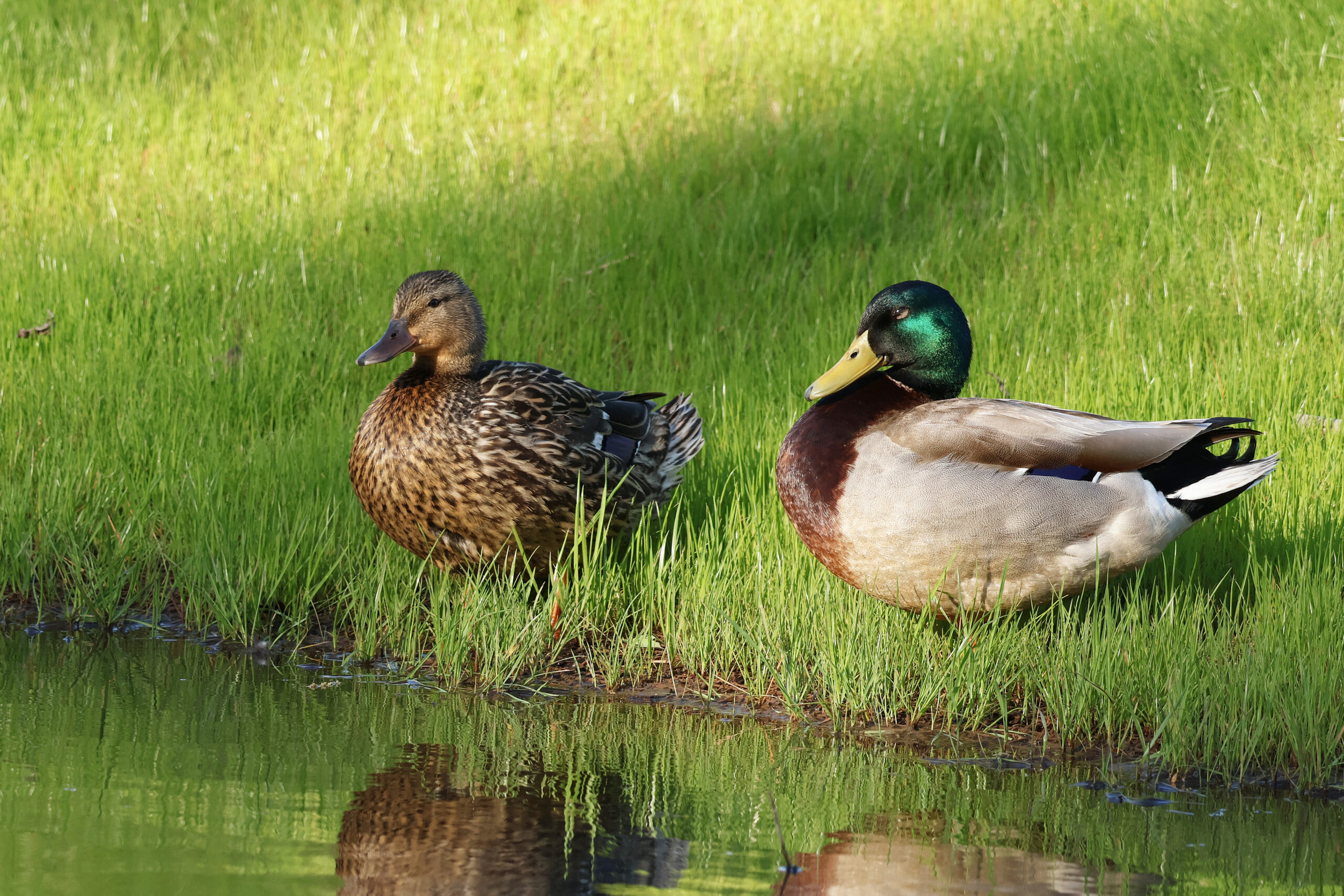
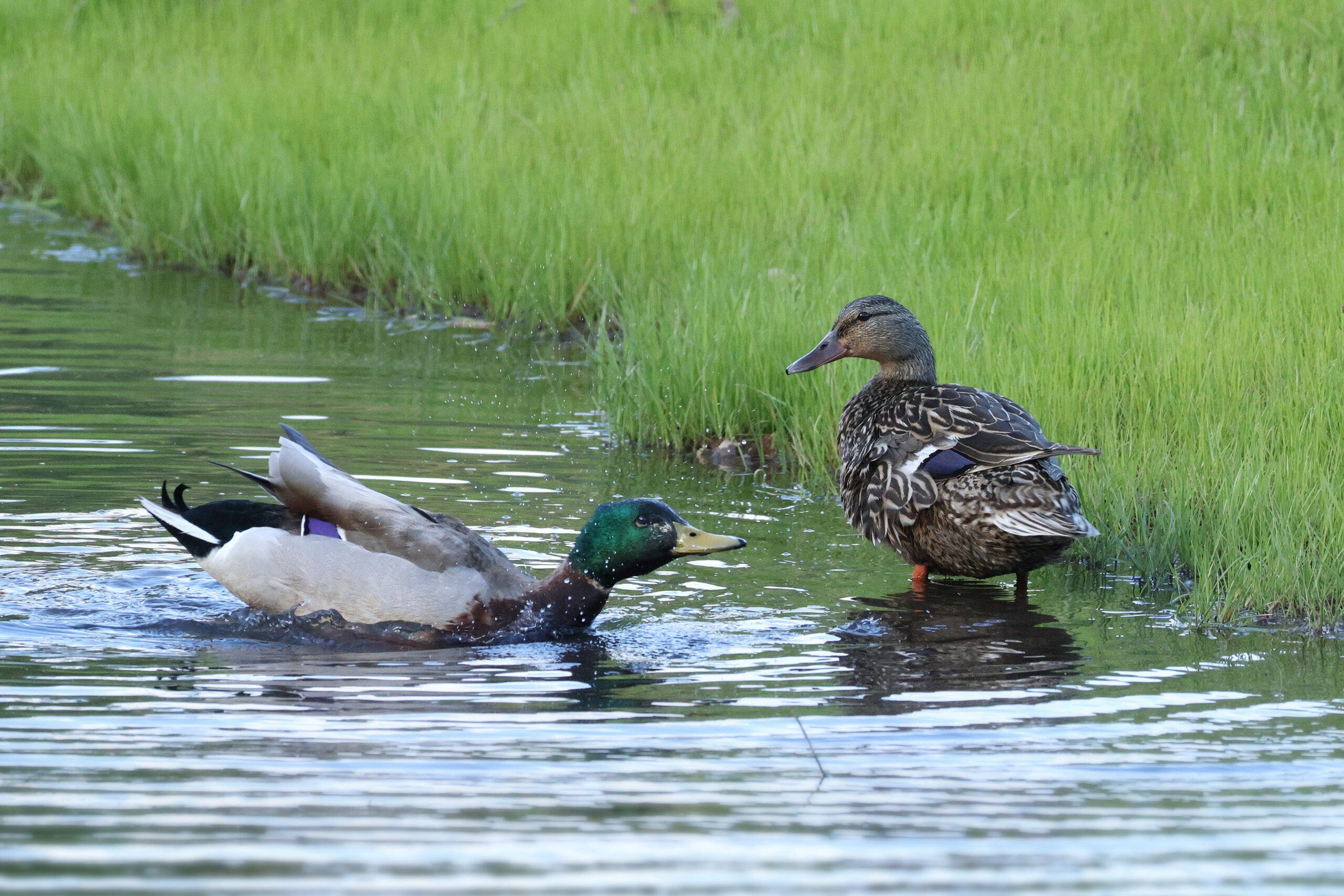
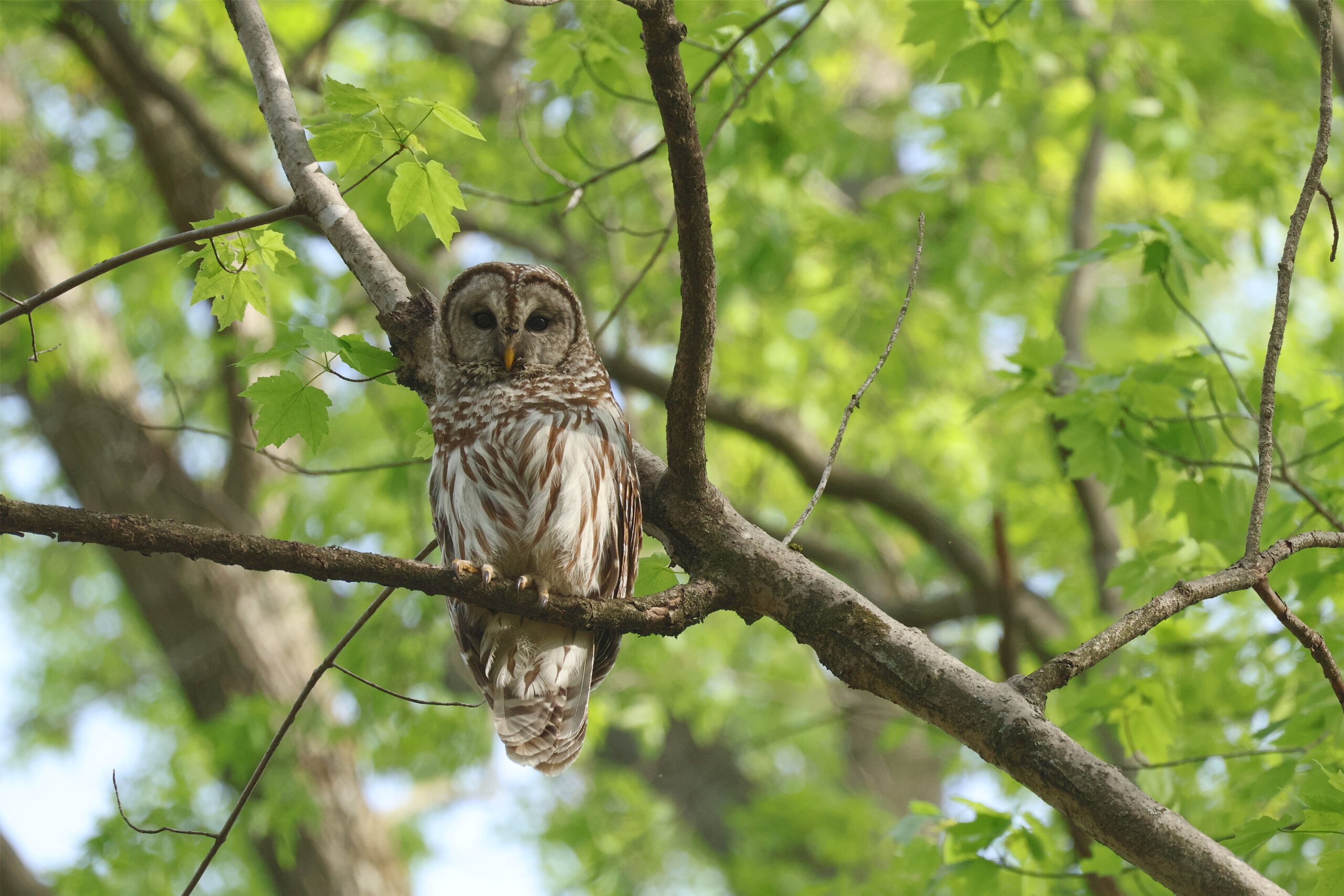
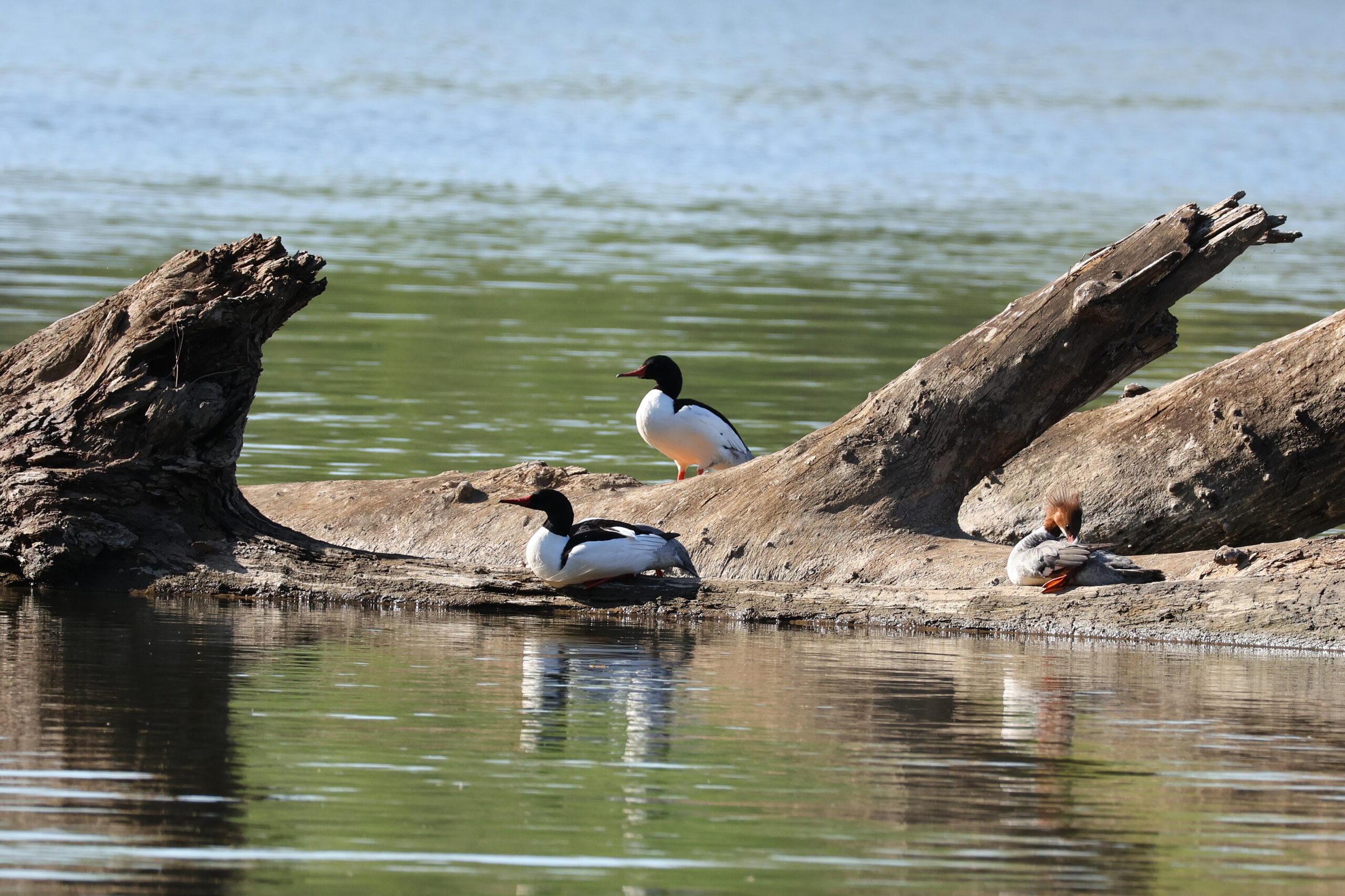
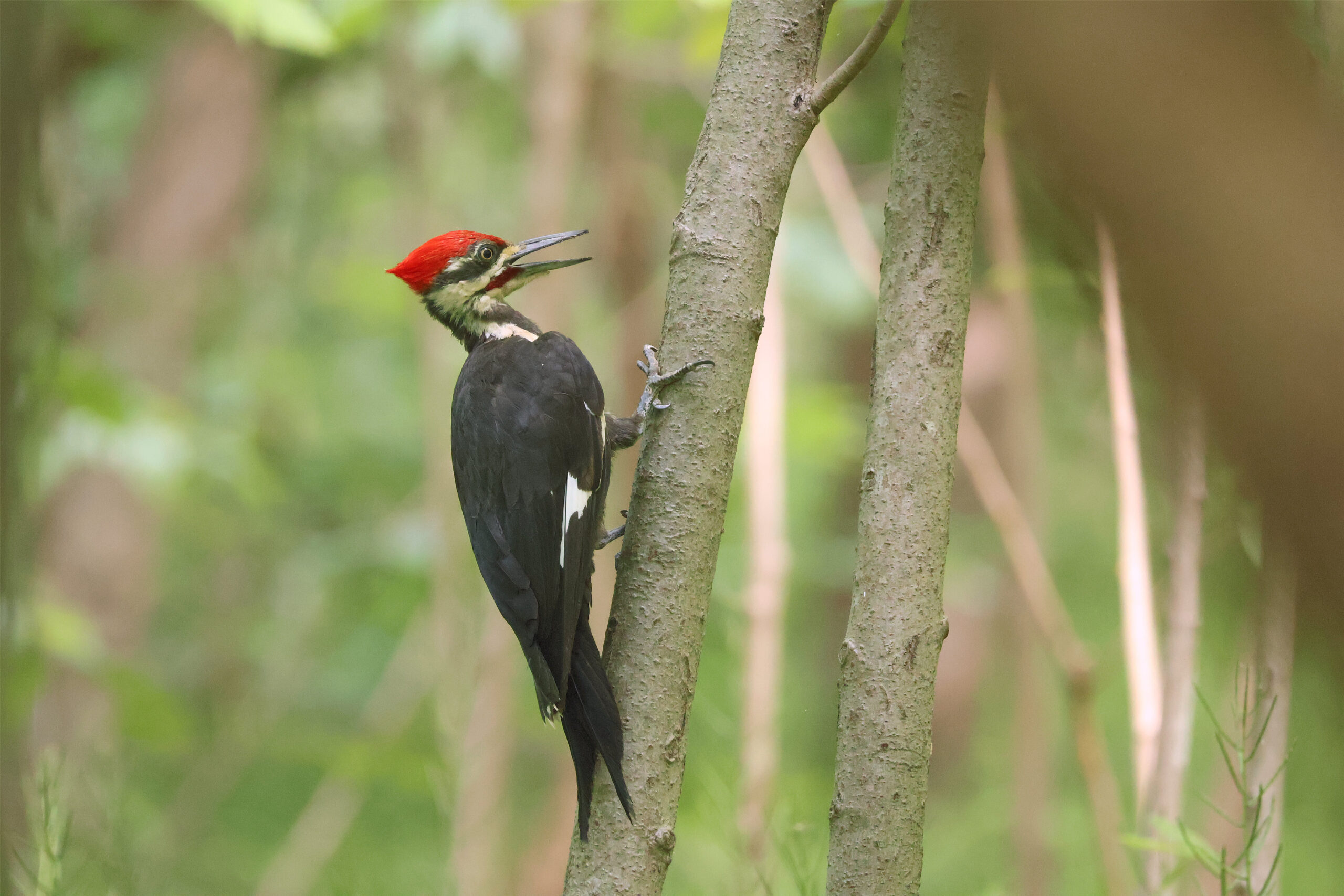
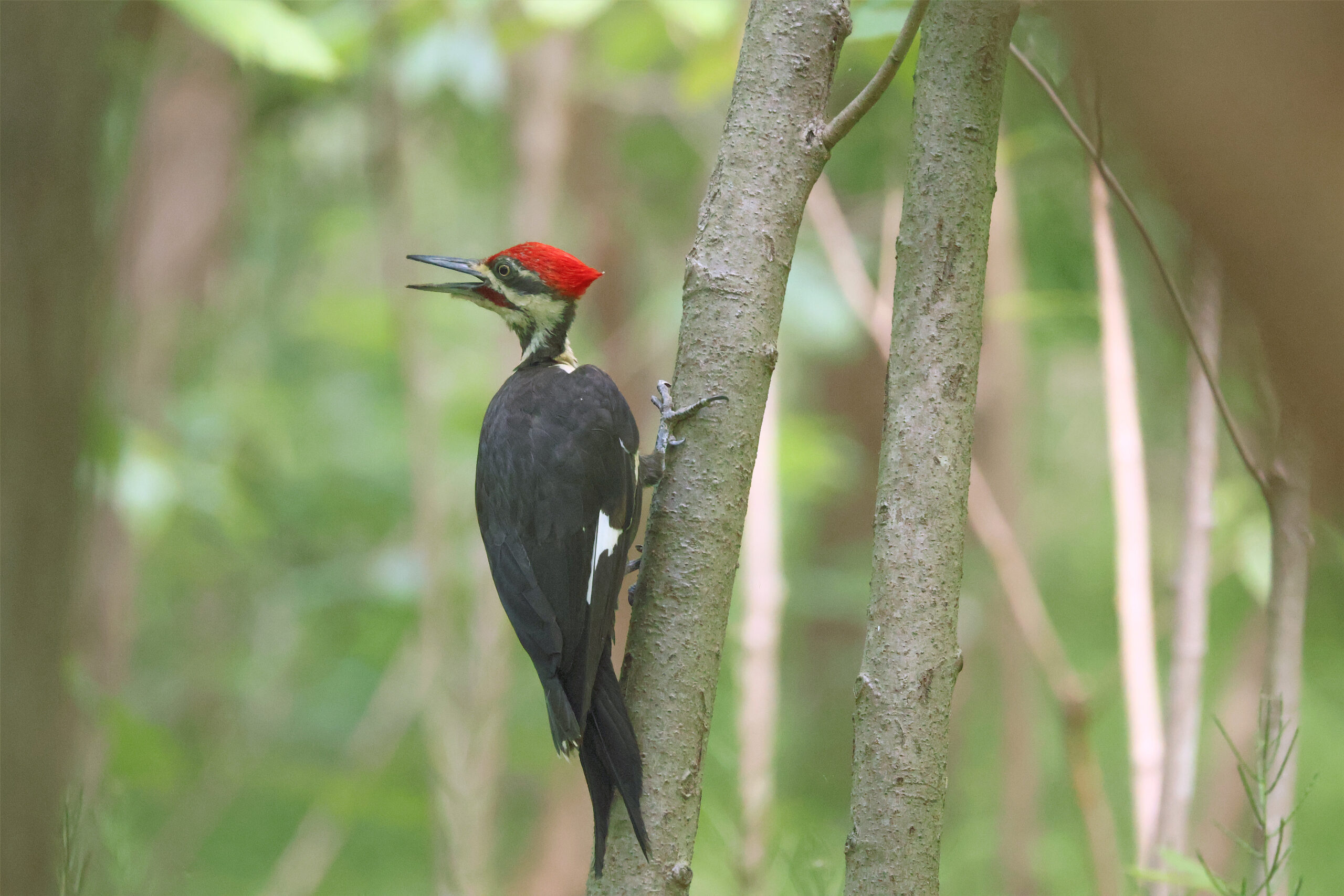
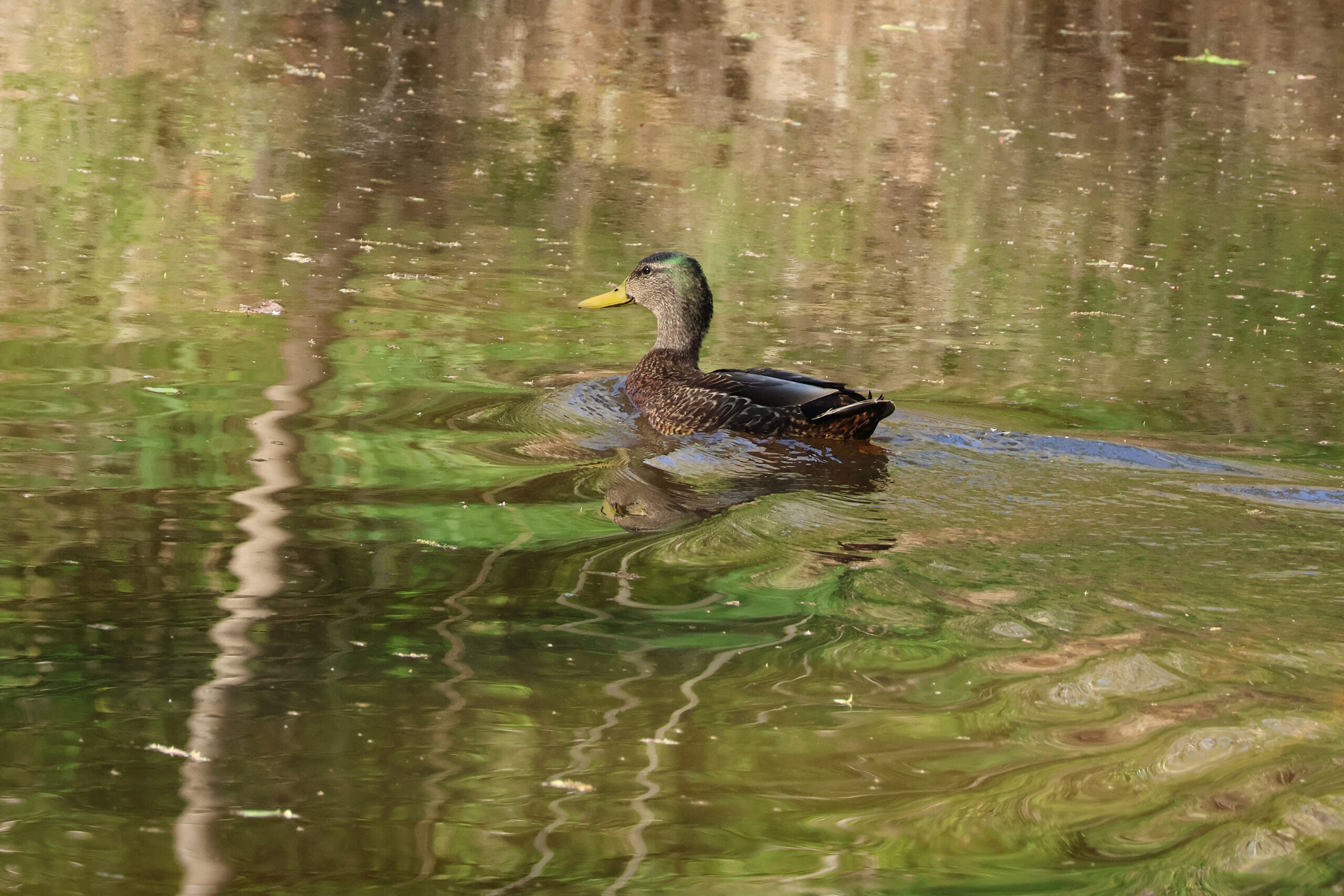
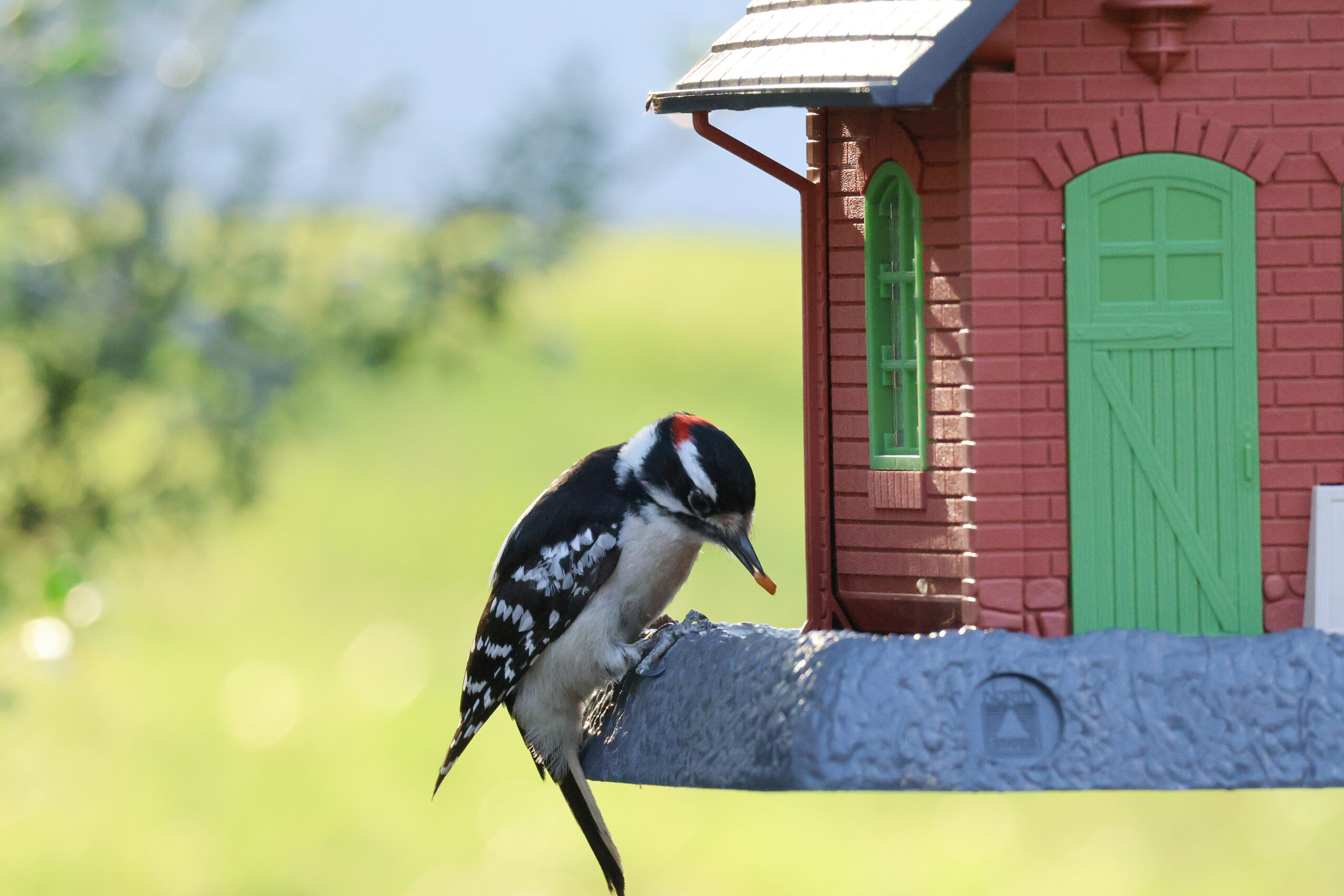
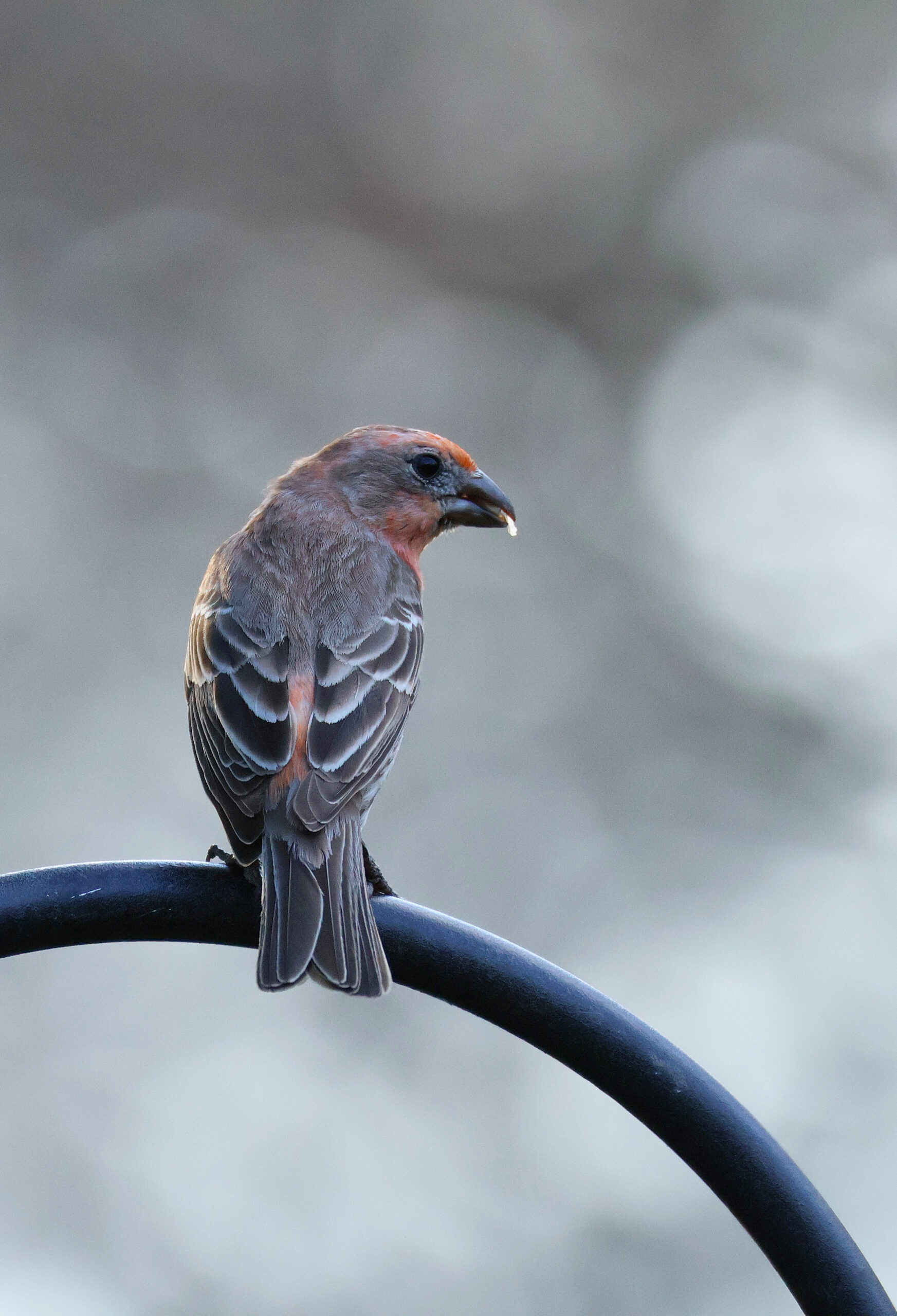
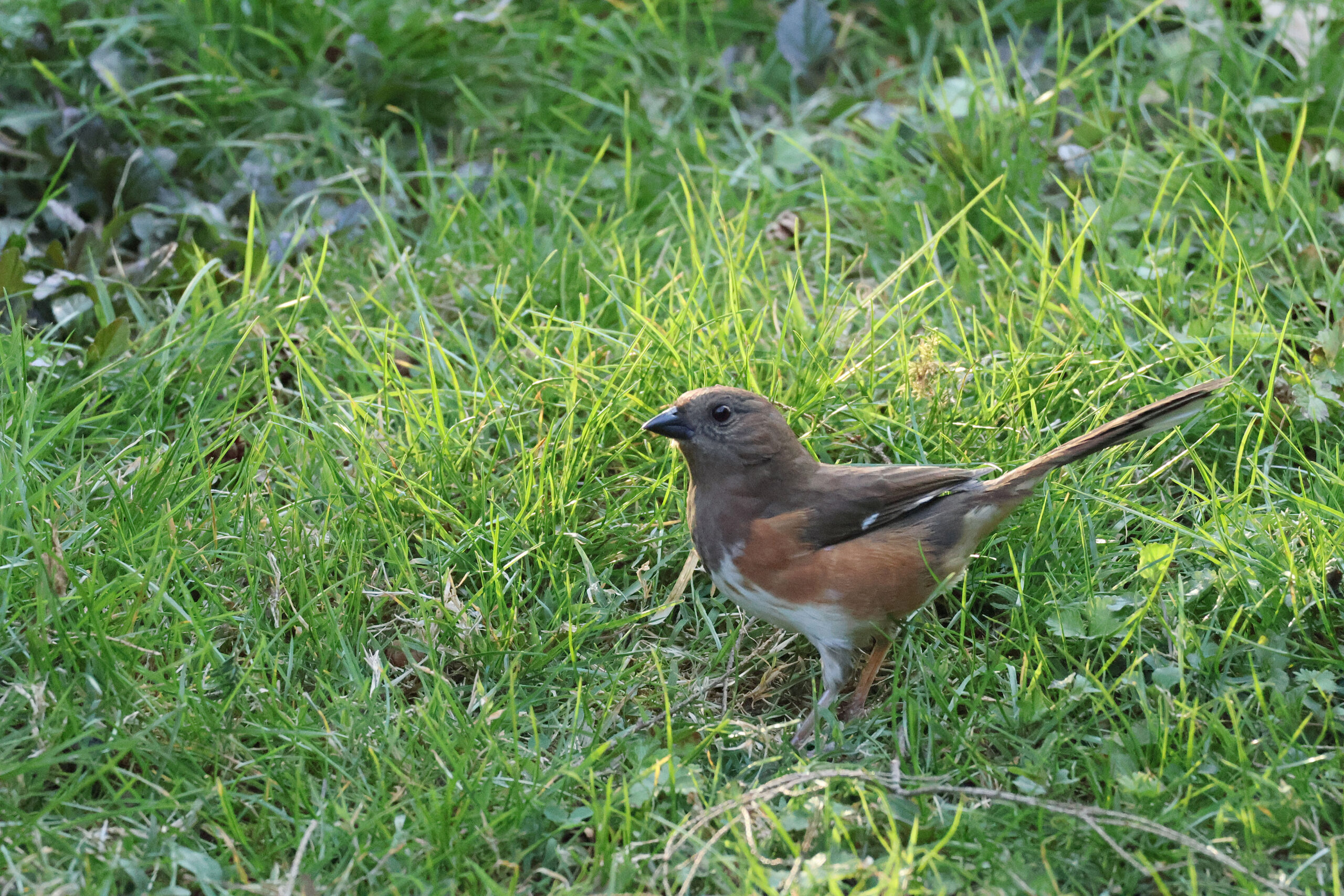
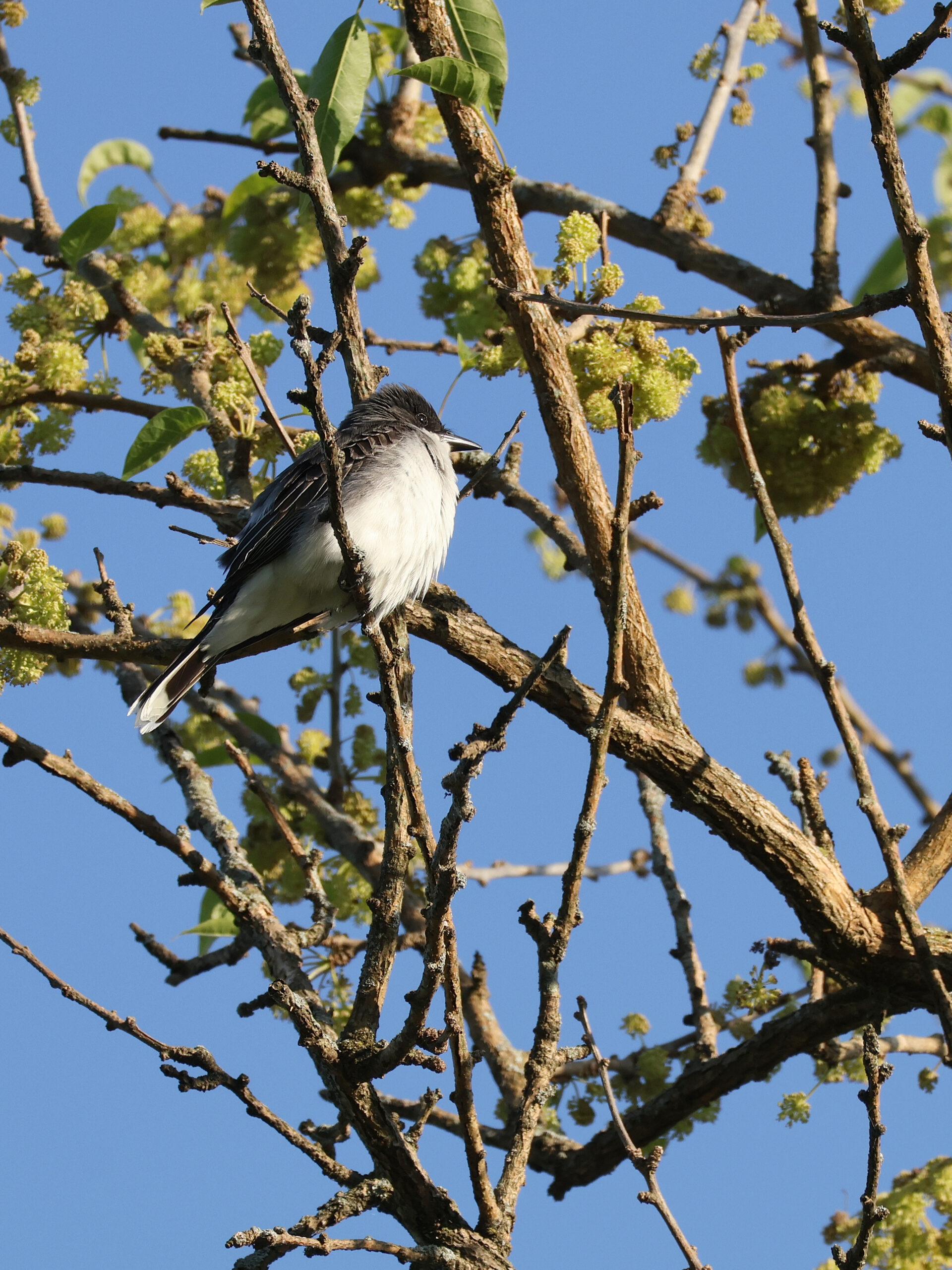
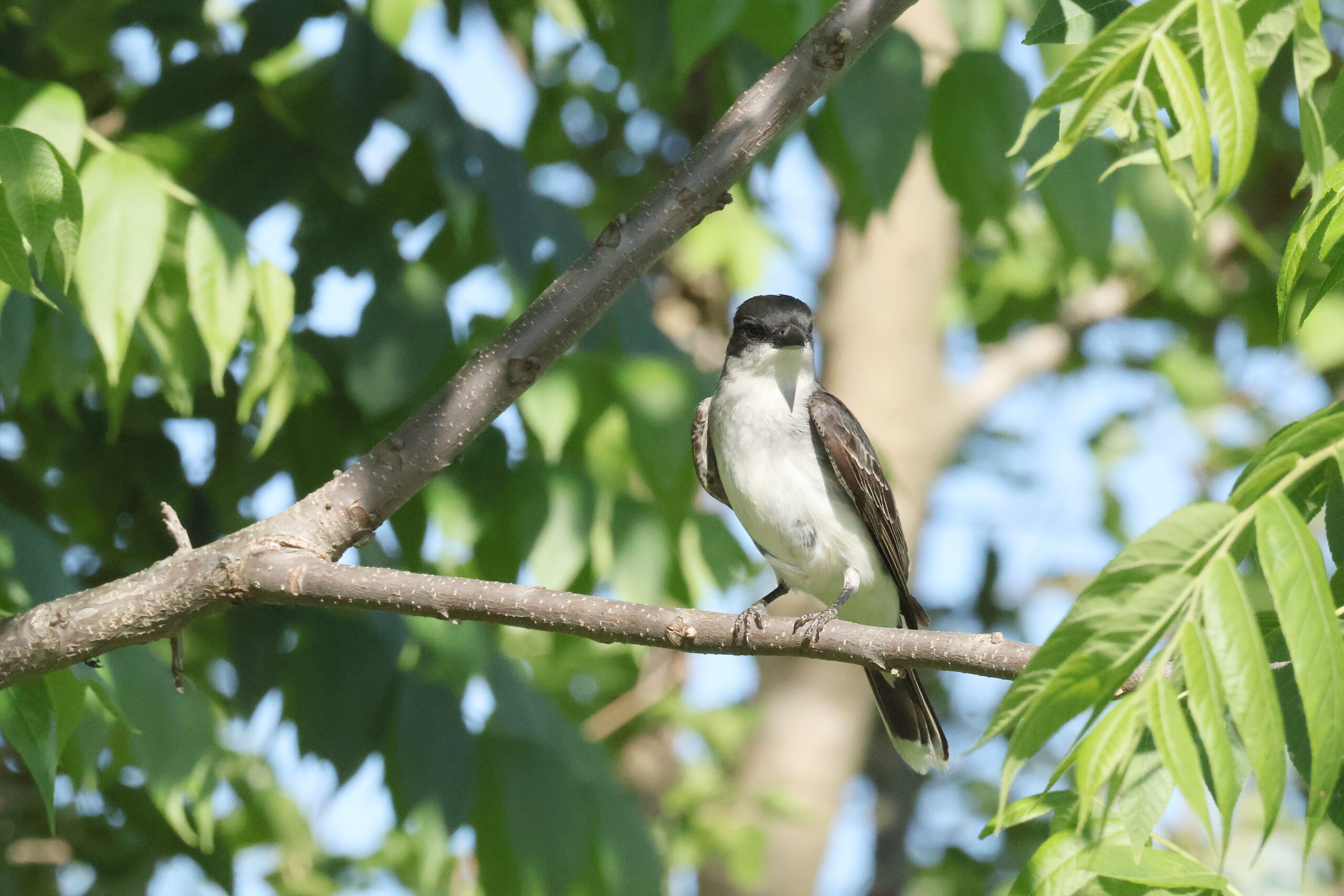
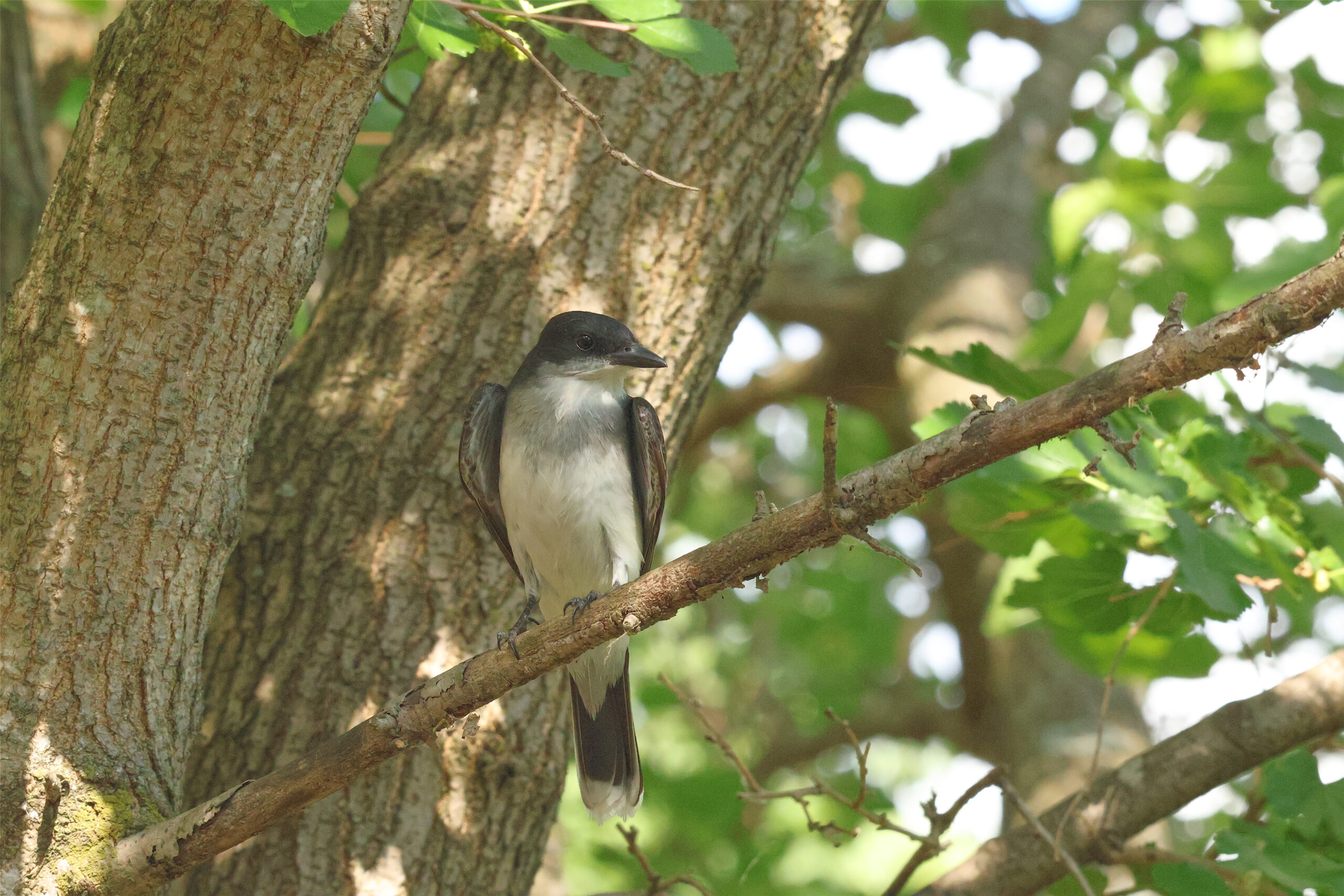
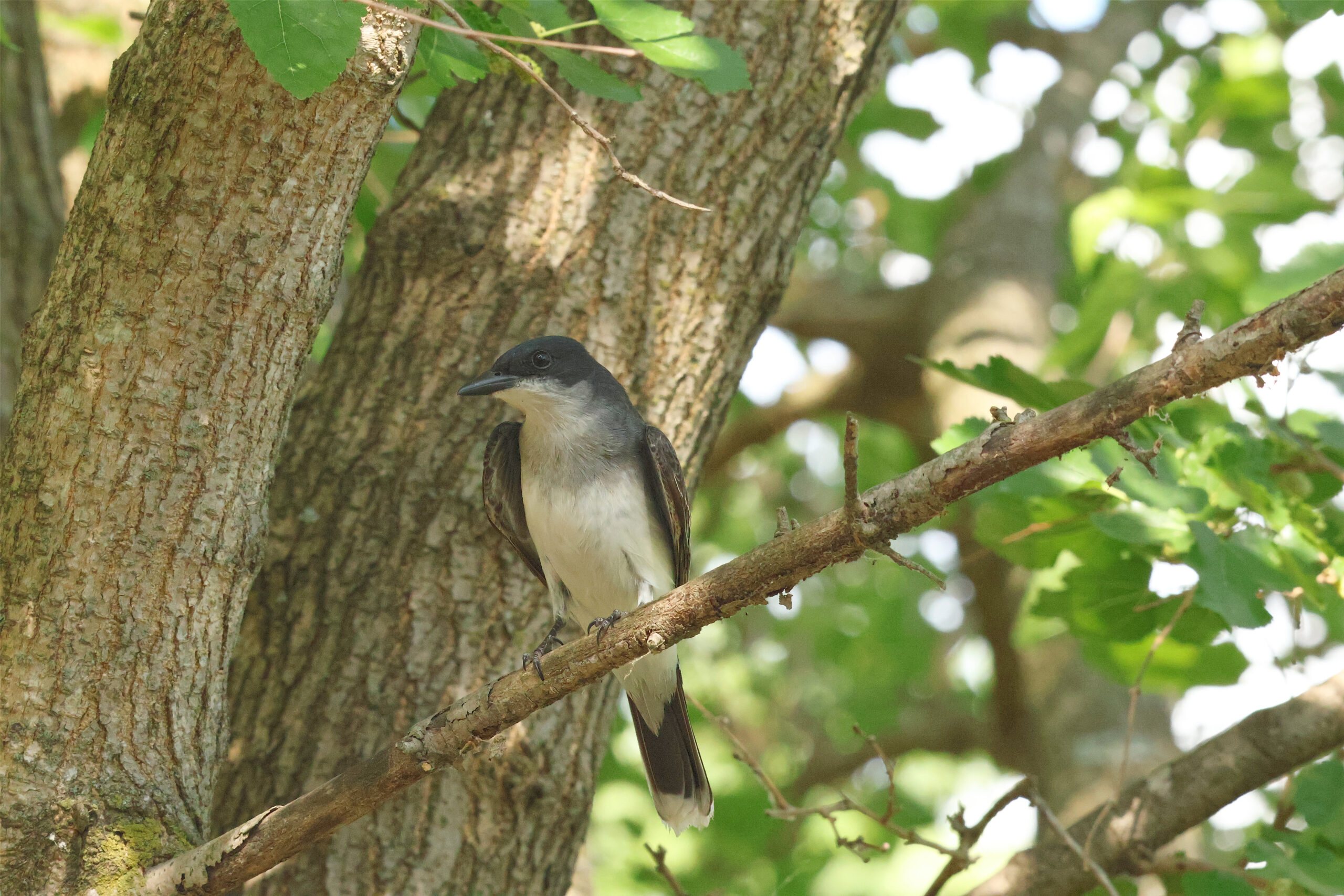
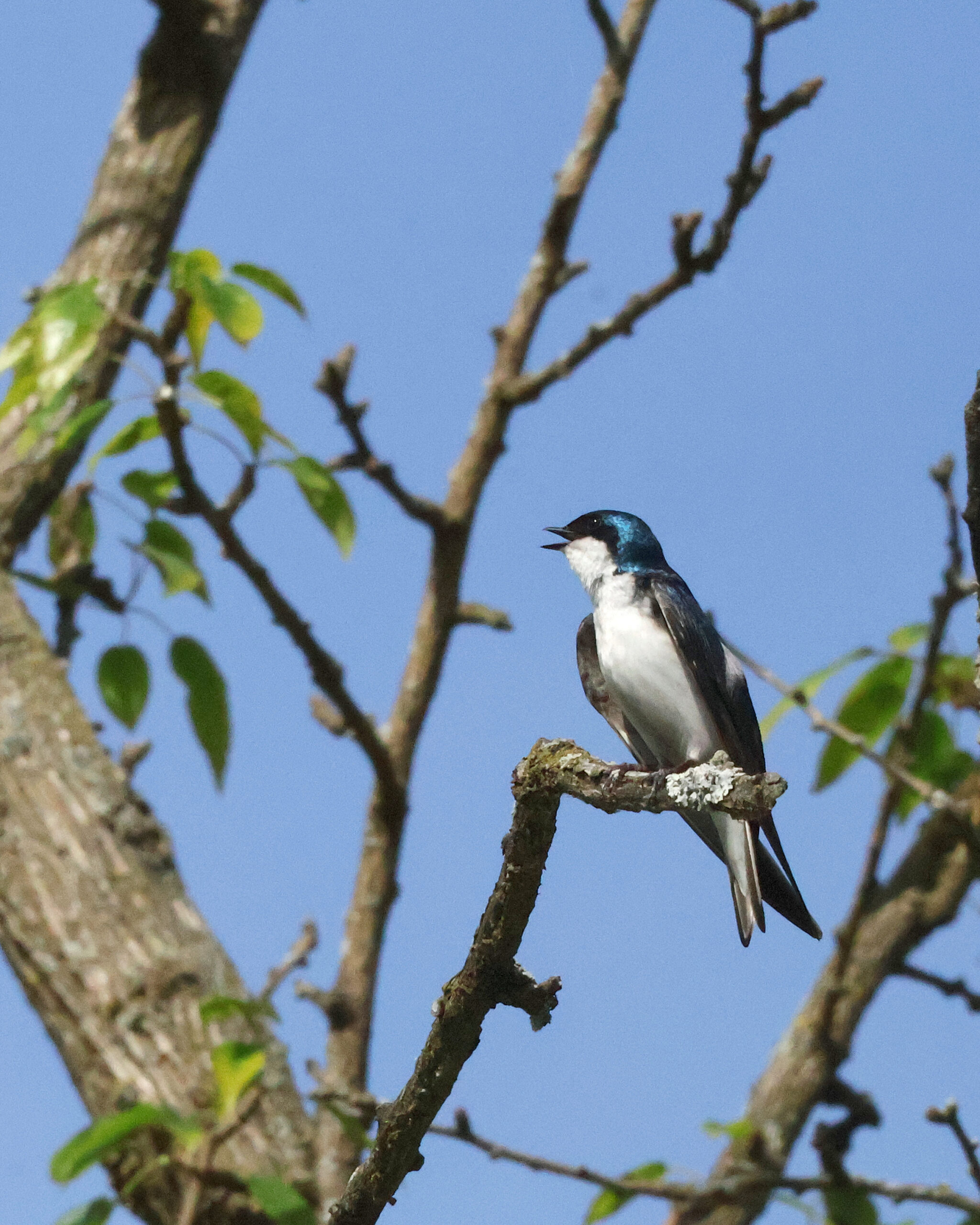
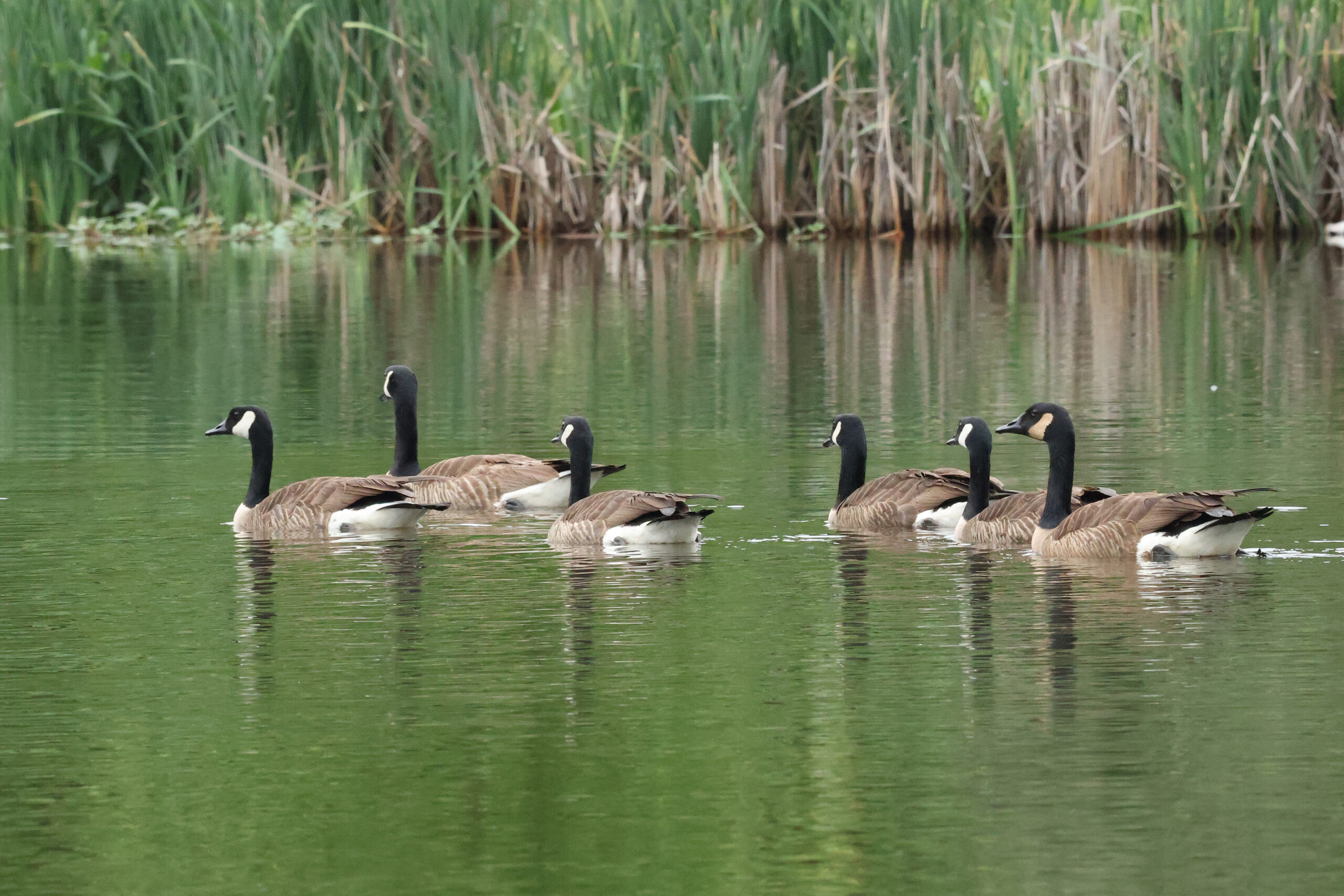
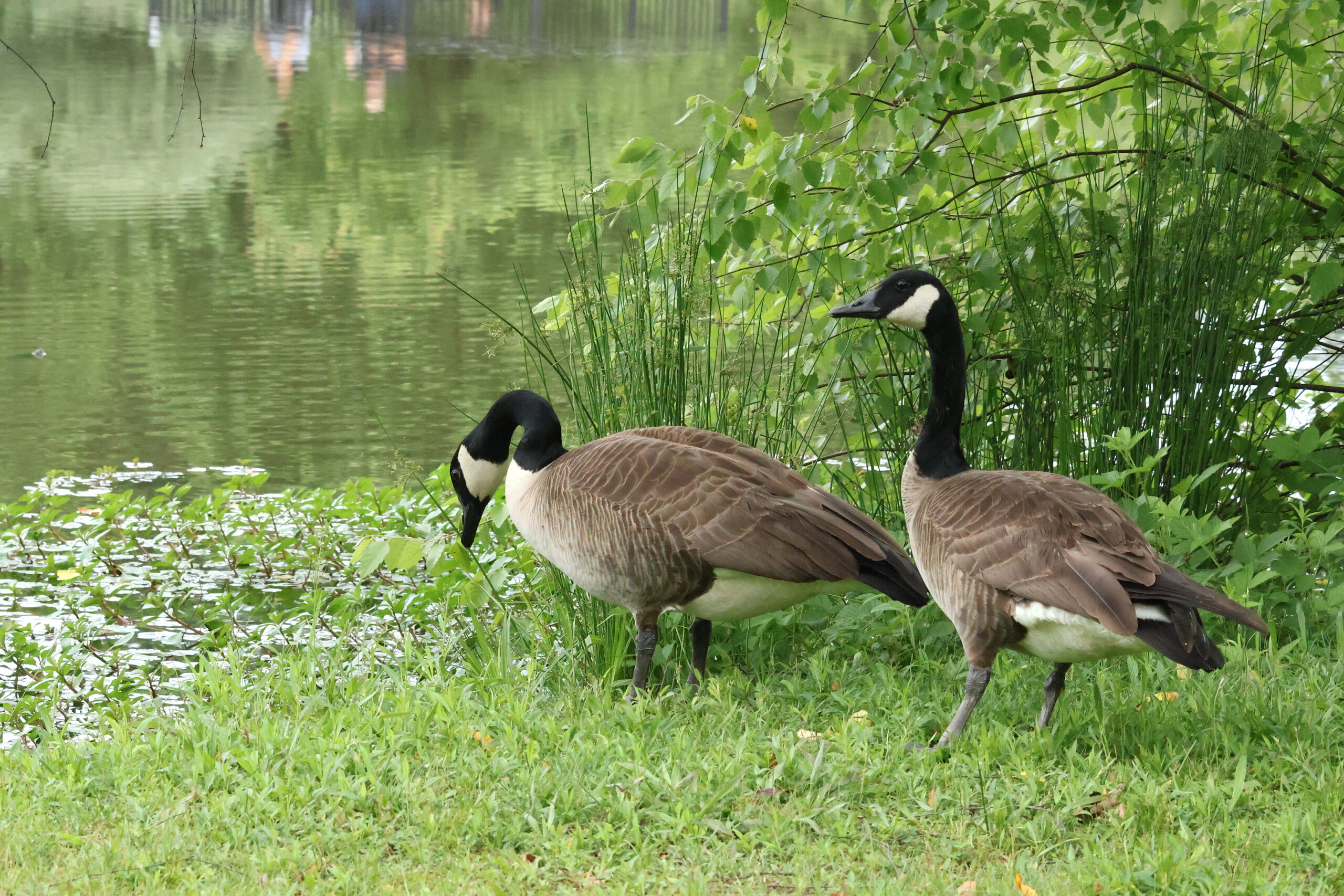
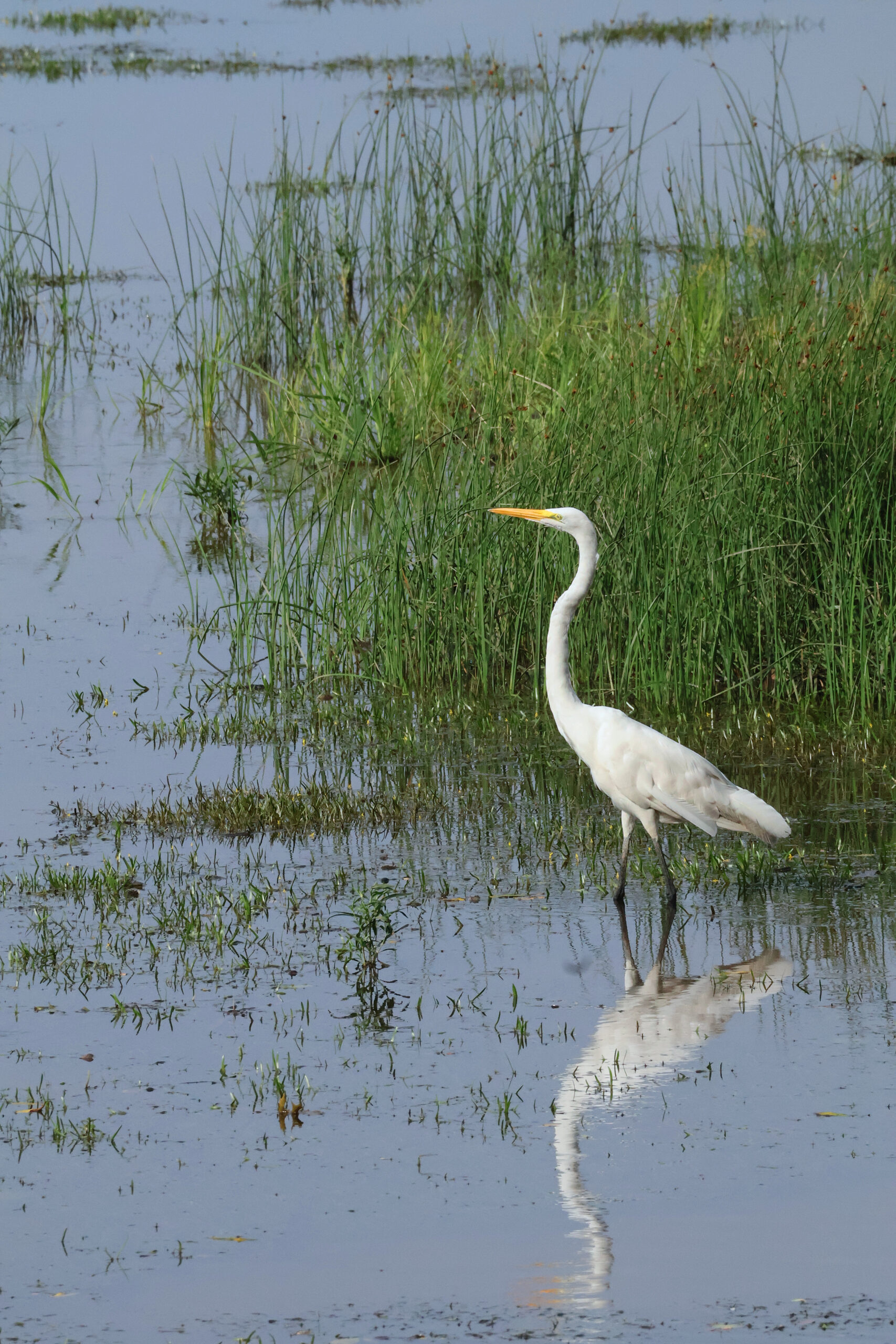
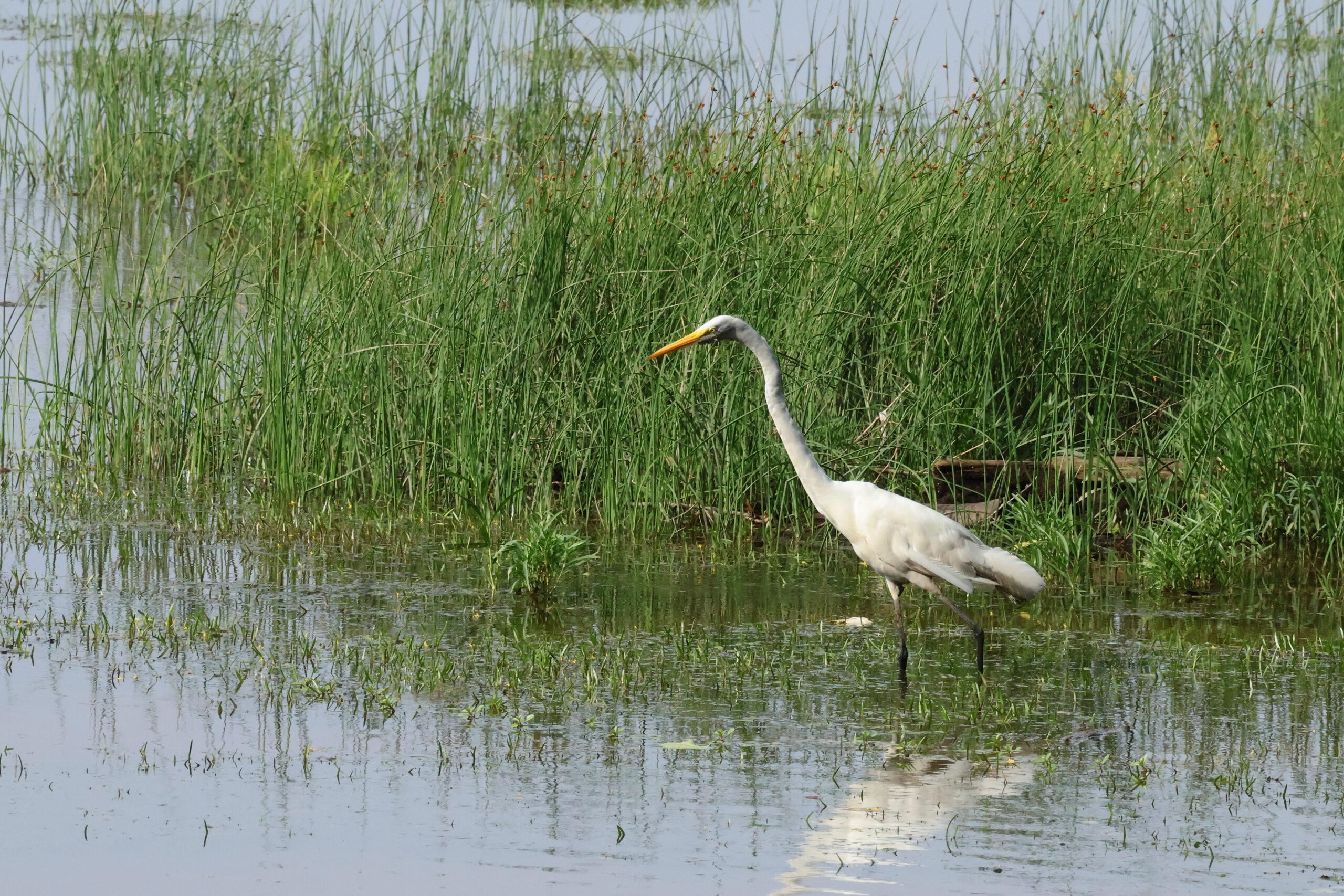
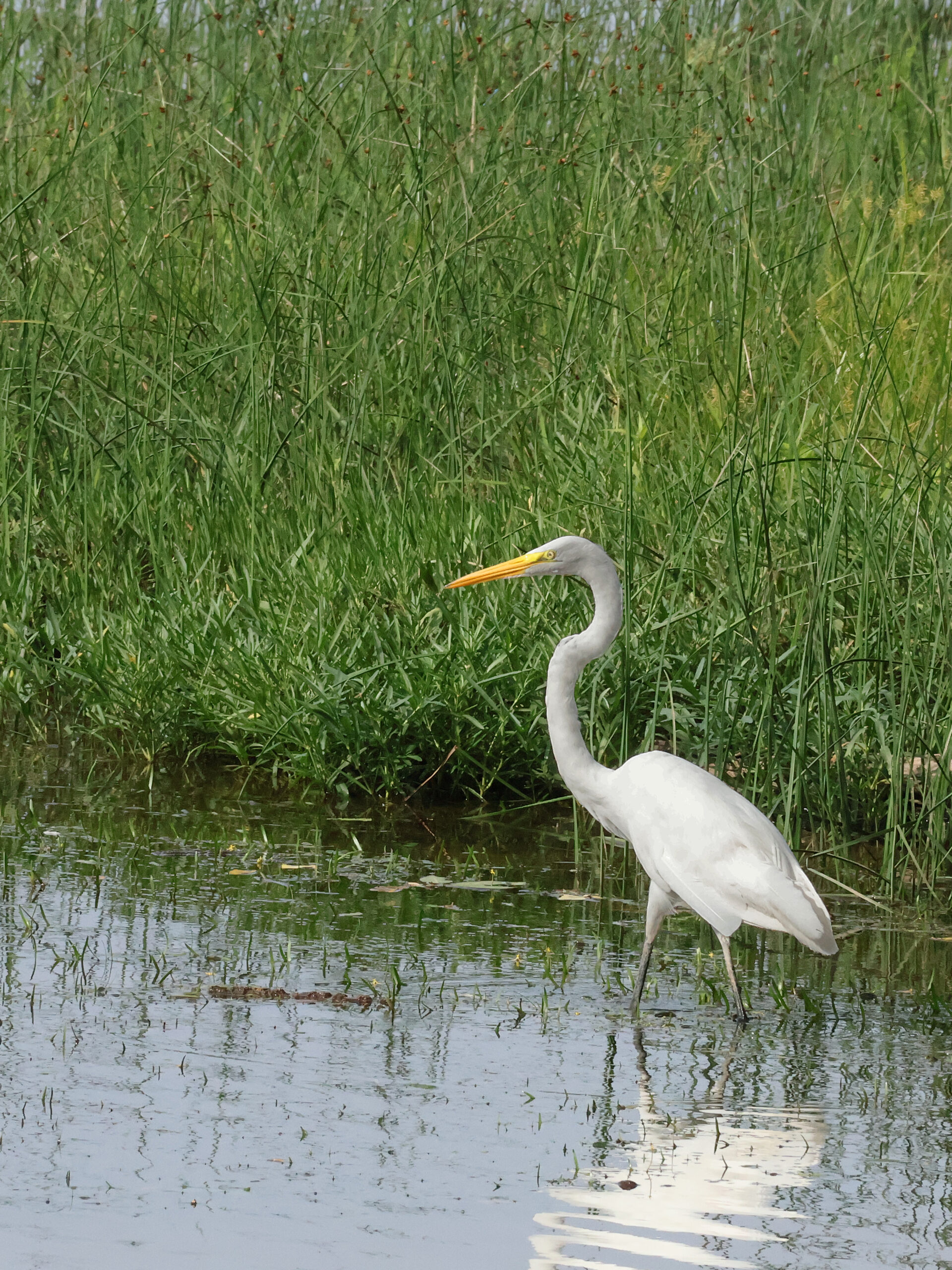
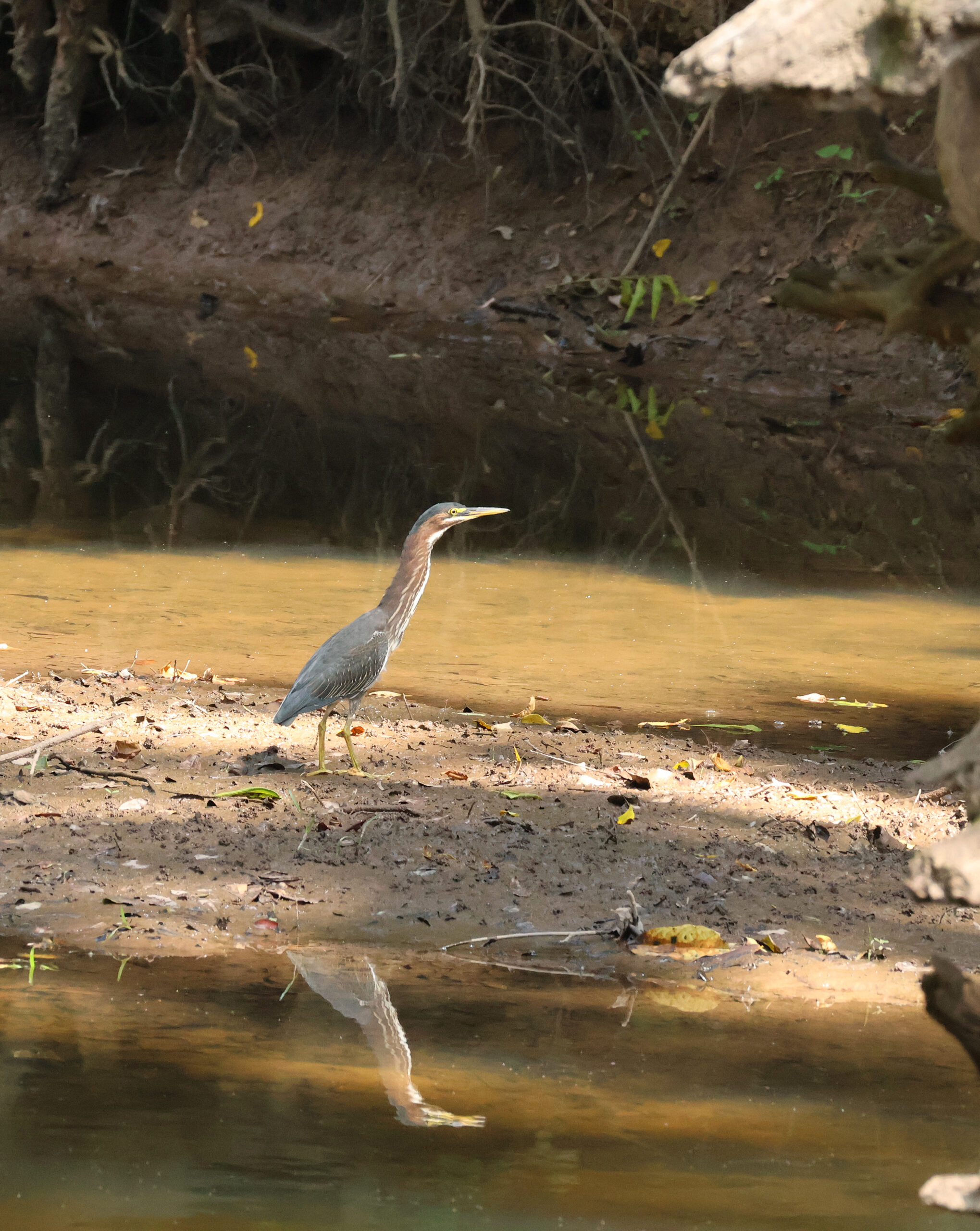
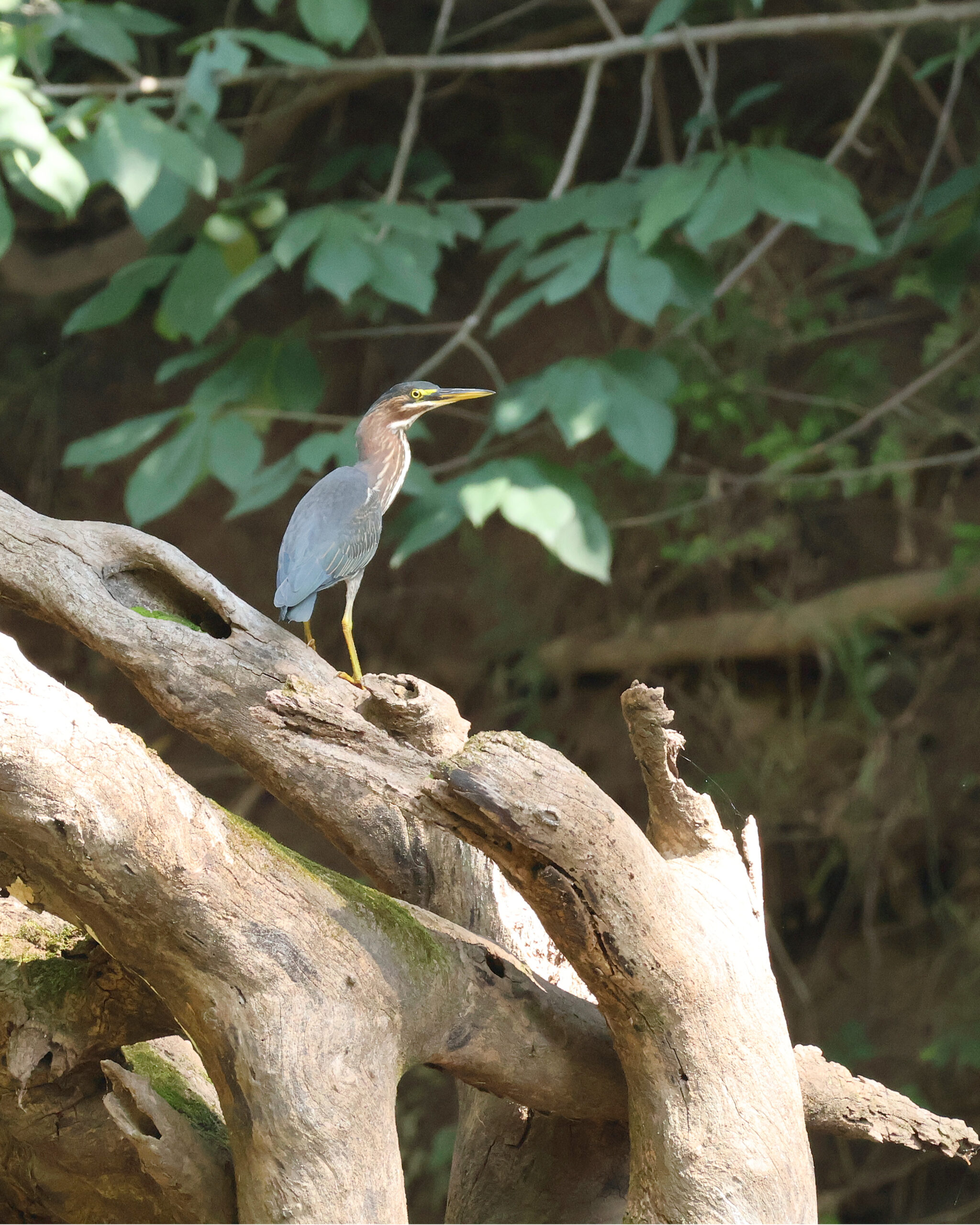
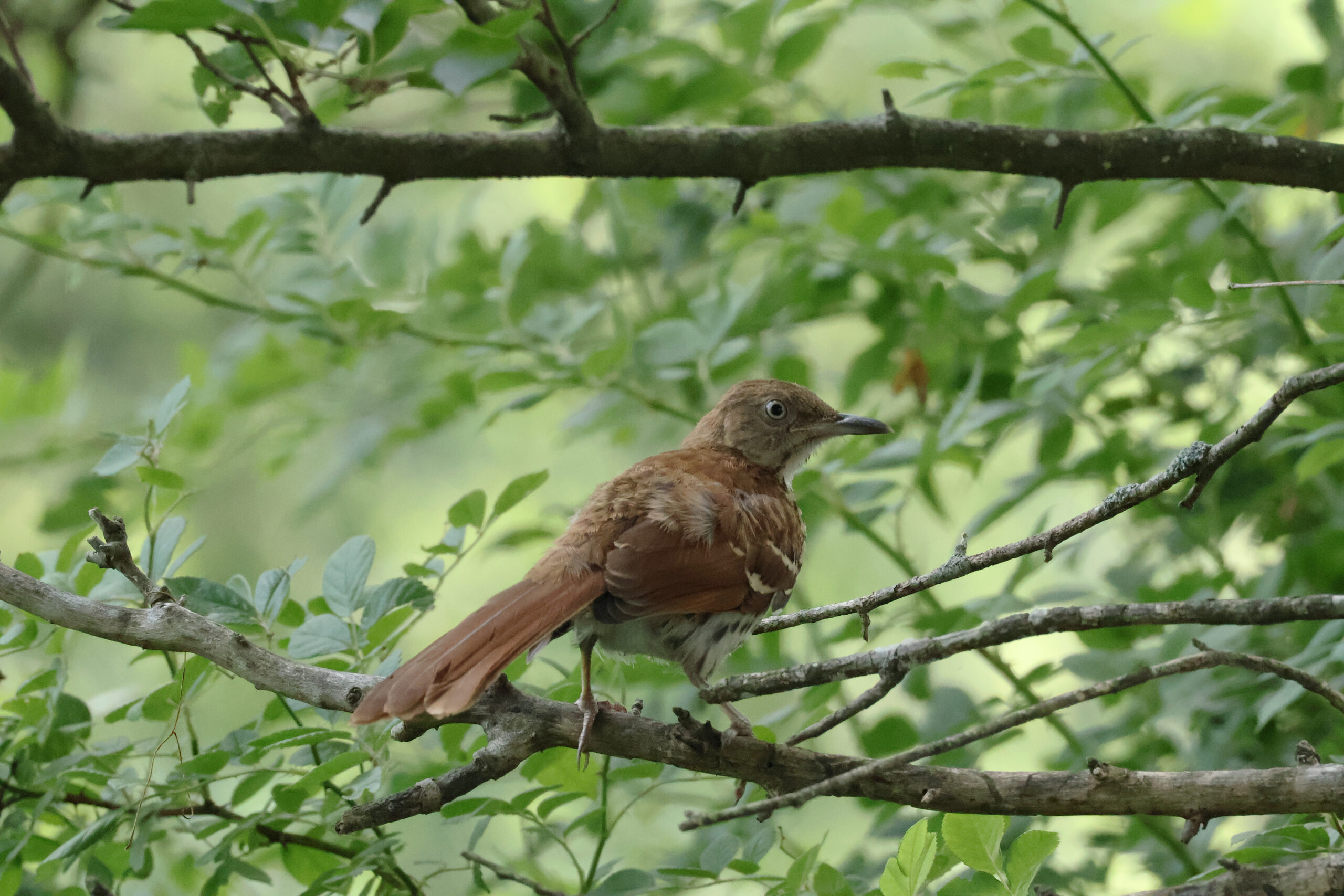
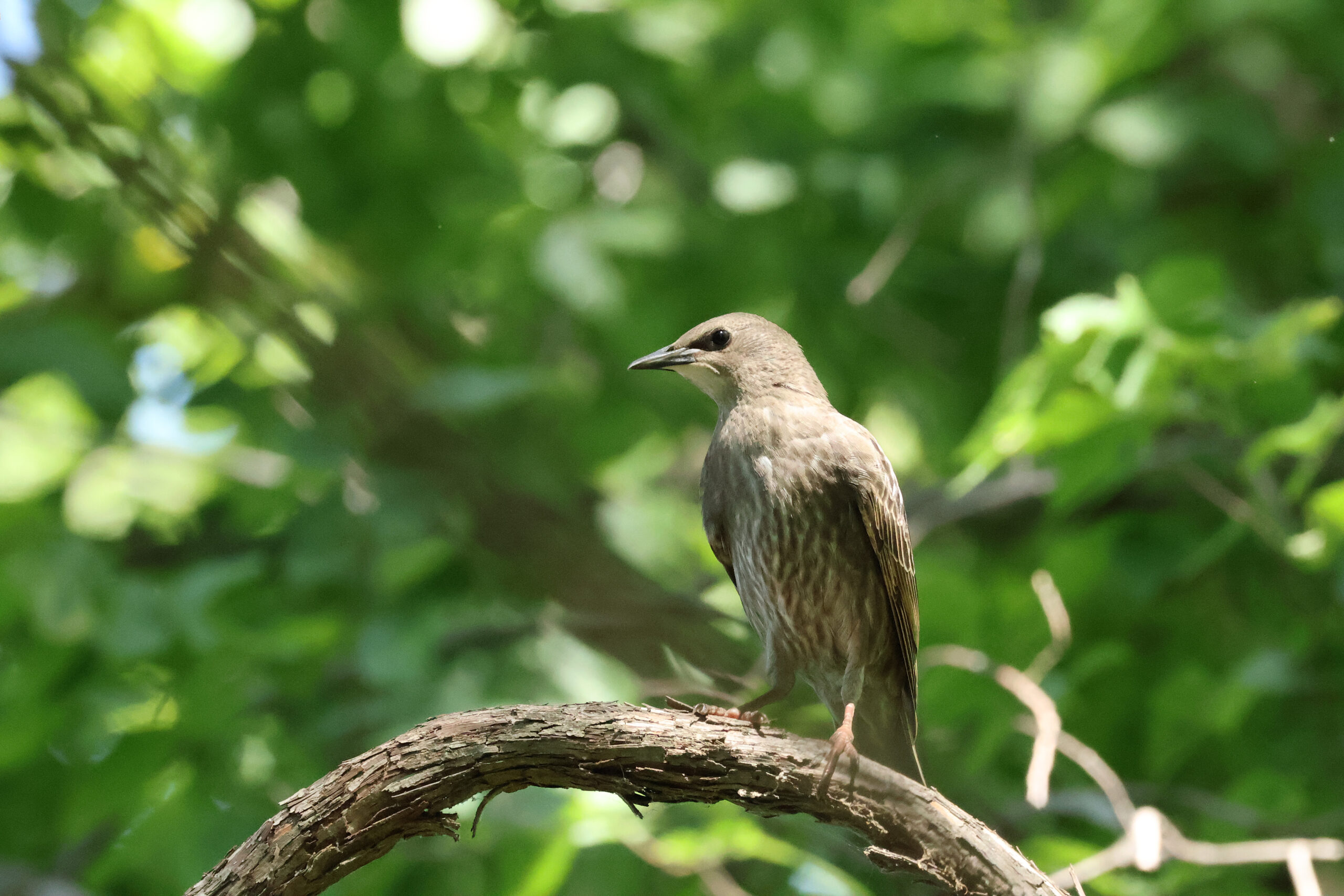
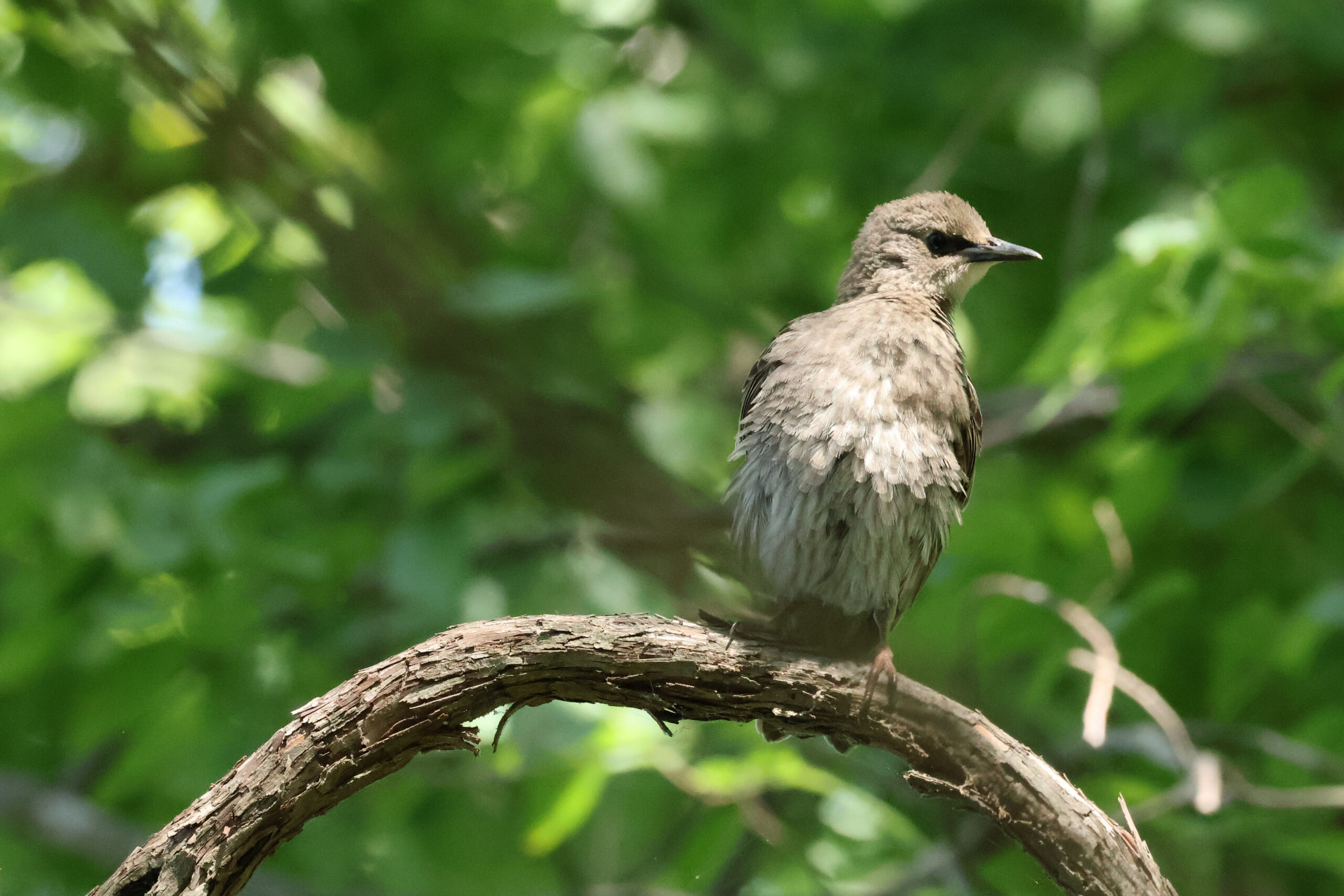
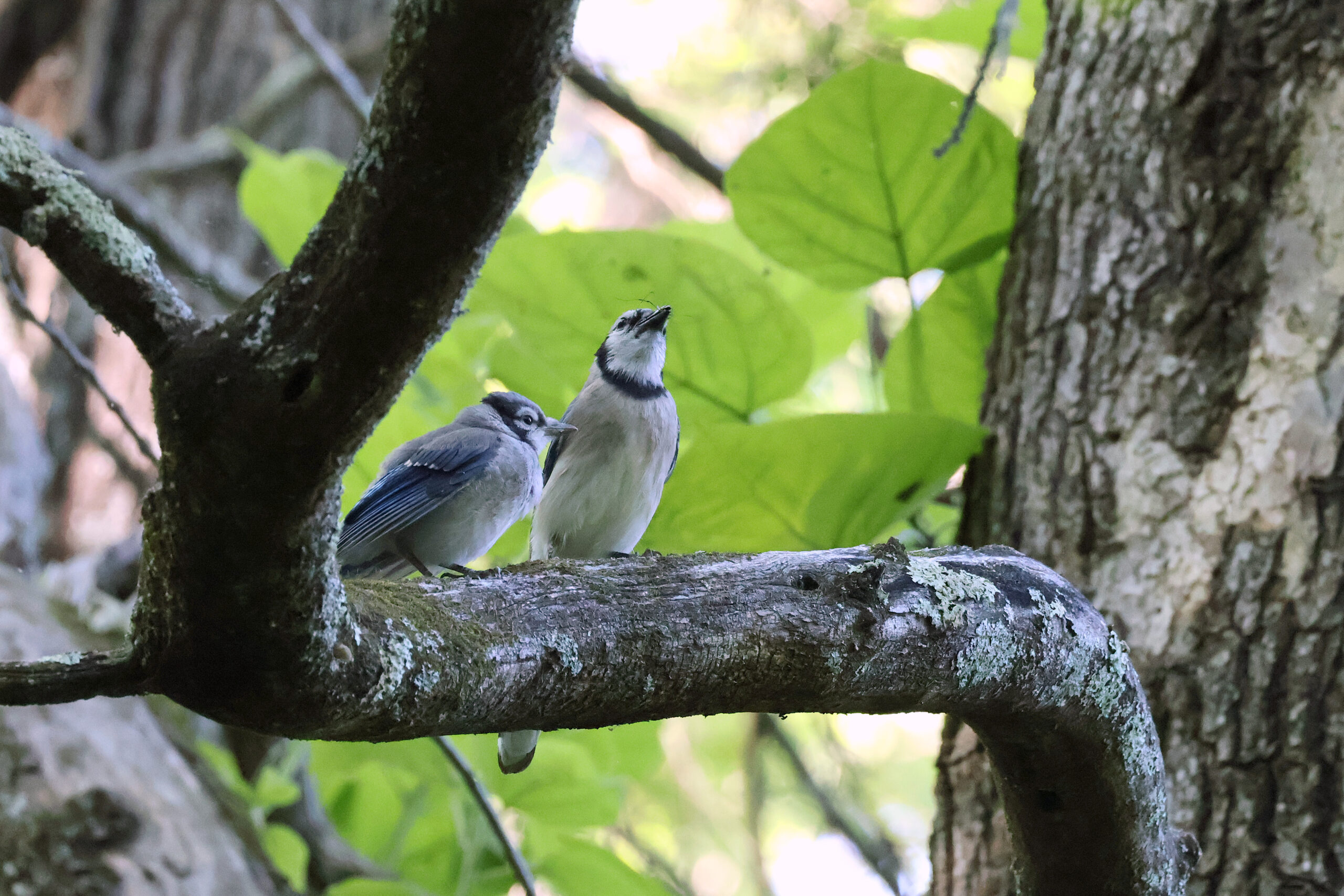
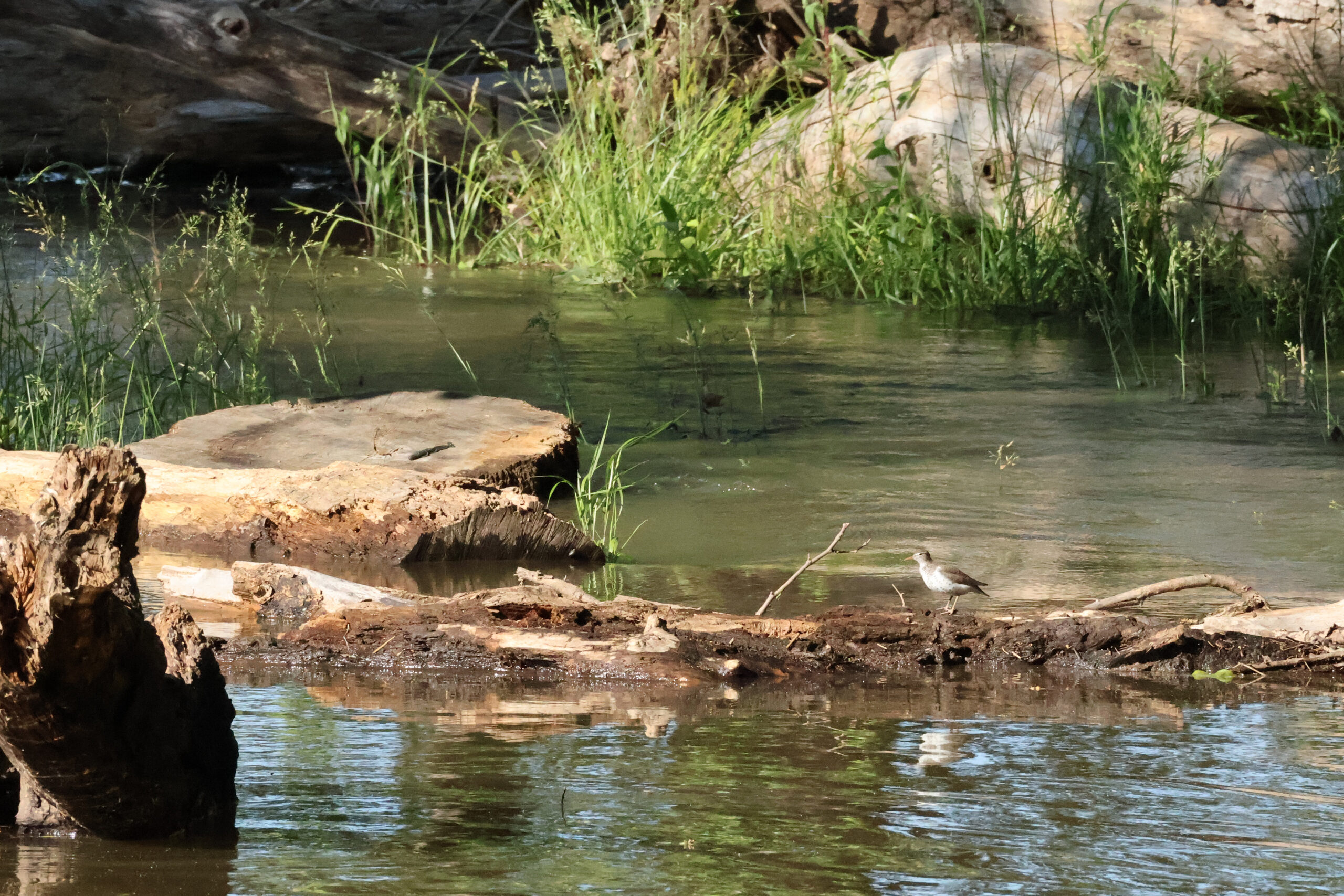
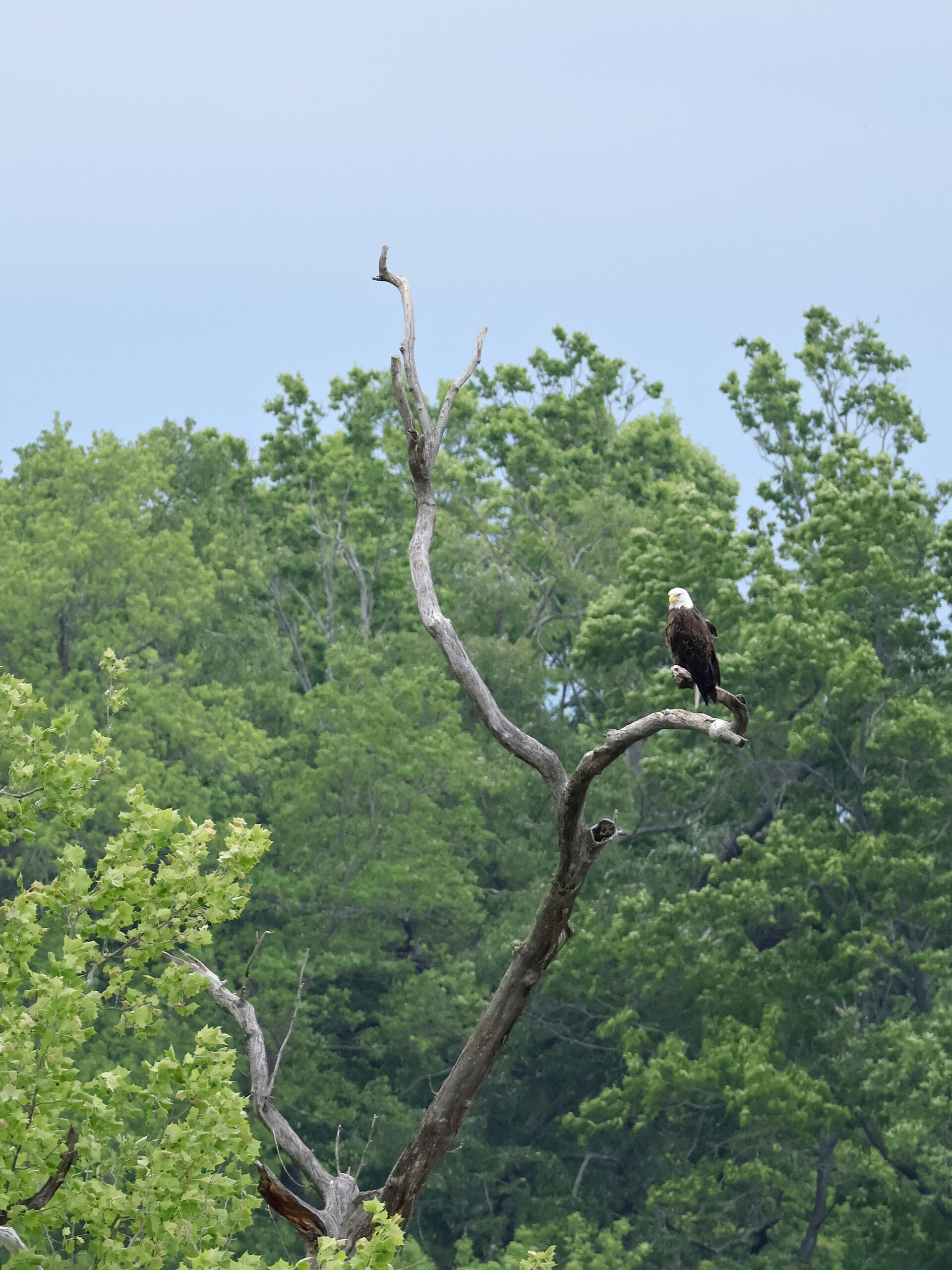
Mourning Doves at the Bird BathFemale Cardinal on a BranchMale Cardinal on Osage Orange BranchMale Cardinal on Osage Orange BranchFemale Cardinal on Osage Orange BranchGreat Crested Flycatcher on a BranchCarolina Wren Taking a BathMourning Dove on Freddie’s FeederMourning Dove Under Freddie’s FeederDark Eyed Junco in TwigsBluebird on a BranchChickadee on a BranchBlackbird Perched HighMockingbird Perched HighMockingbird on BranchMockingbird Singing at Claude Moore FarmMockingbird Reflected in Water PuddleGreat Crested Flycatcher on a Branch (Juvenile?)Warbling Vireo Singing to RightWarbling Vireo Singing to LeftFemale Hairy WoodpeckerRed-Bellied Woodpecker on TopRed-Bellied Woodpecker Finding InsectsRed-Bellied Woodpecker with Hickory NutRed-Bellied WoodpeckerHairy Woodpecker on LimbAmerican Robin on TrailChipping Sparrow on TrailFemale Cowbird on TrailPair of Mallards at Water’s EdgePair of Mallards BathingBarred Owl Overlooking TrailCommon Mergansers on LogPeeping Pileated WoodpeckerPileated WoodpeckerPileated WoodpeckerAmerican Black Duck on Sugarland RunDowny Woodpecker on Freddie’s FeederHouse Finch on Freddie’s FeederTowhee under Freddie’s FeederWhite Throated Sparrow under Freddie’s FeederTurkey Vulture at Algonkian ParkTurkey Vulture in FlightBaltimore Oriole SingingCatbird on a FenceCowbird Perched HighIndigo BuntingWhite Breasted NuthatchCedar Waxwing Looking LeftCedar Waxwing Looking RightEastern KingbirdEastern Kingbird Looks RightEastern Kingbird Looks LeftTree Swallow SingingCanadian Geese at Claude Moore FarmCanadian Geese enter Frogshackle PondGreat Blue Heron on LogGreat Egret at Sugarland RunGreat Egret at Sugarland RunGreat Egret at Sugarland RunGreen Heron at Sugarland RunGreen Heron at Sugarland RunTitmouse in Black Walnut TreeBrown Thrasher on BranchStarling MotherStarling BabyBluejay Feeding BabyBald Eagle on Van Deventer Island
Scales
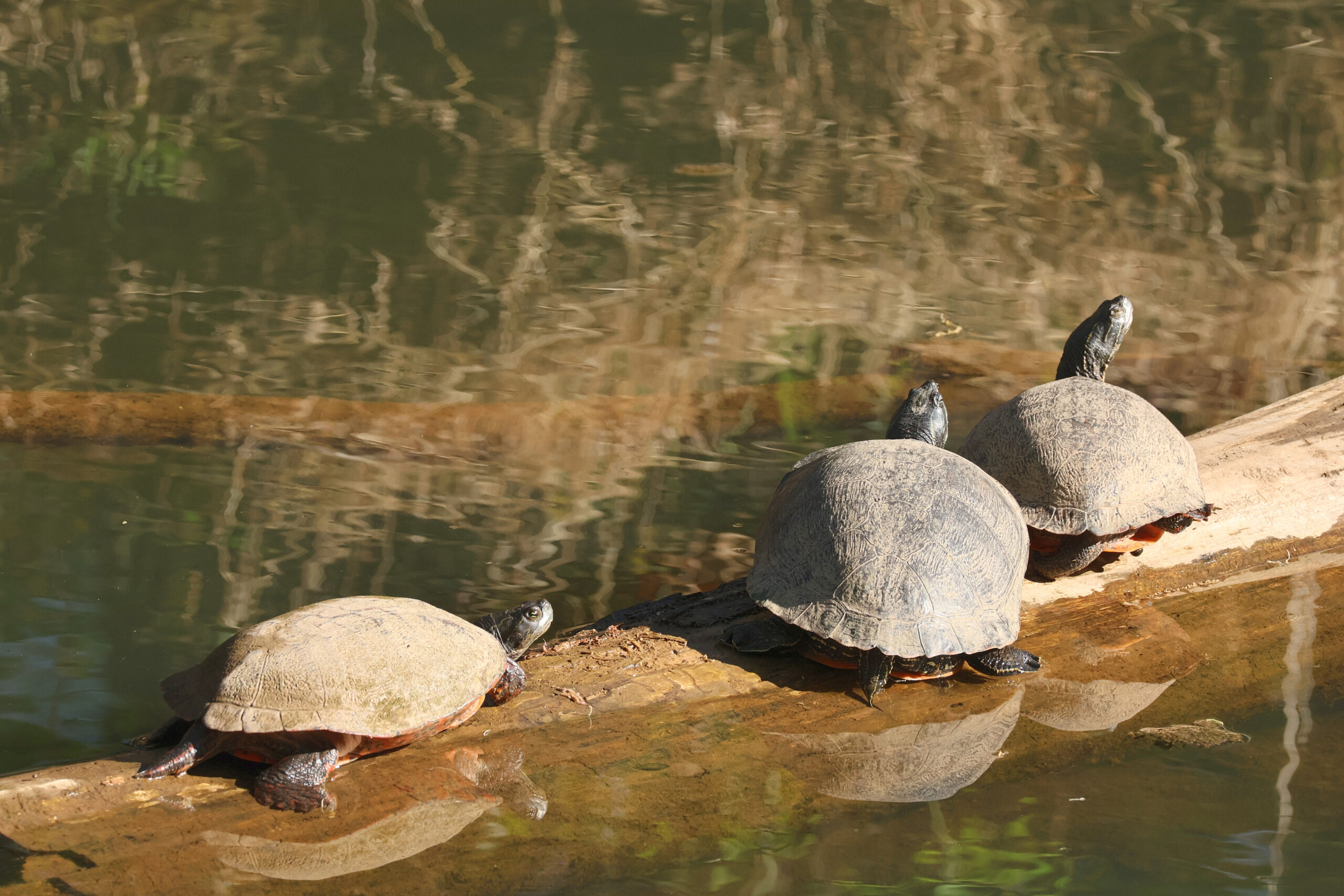
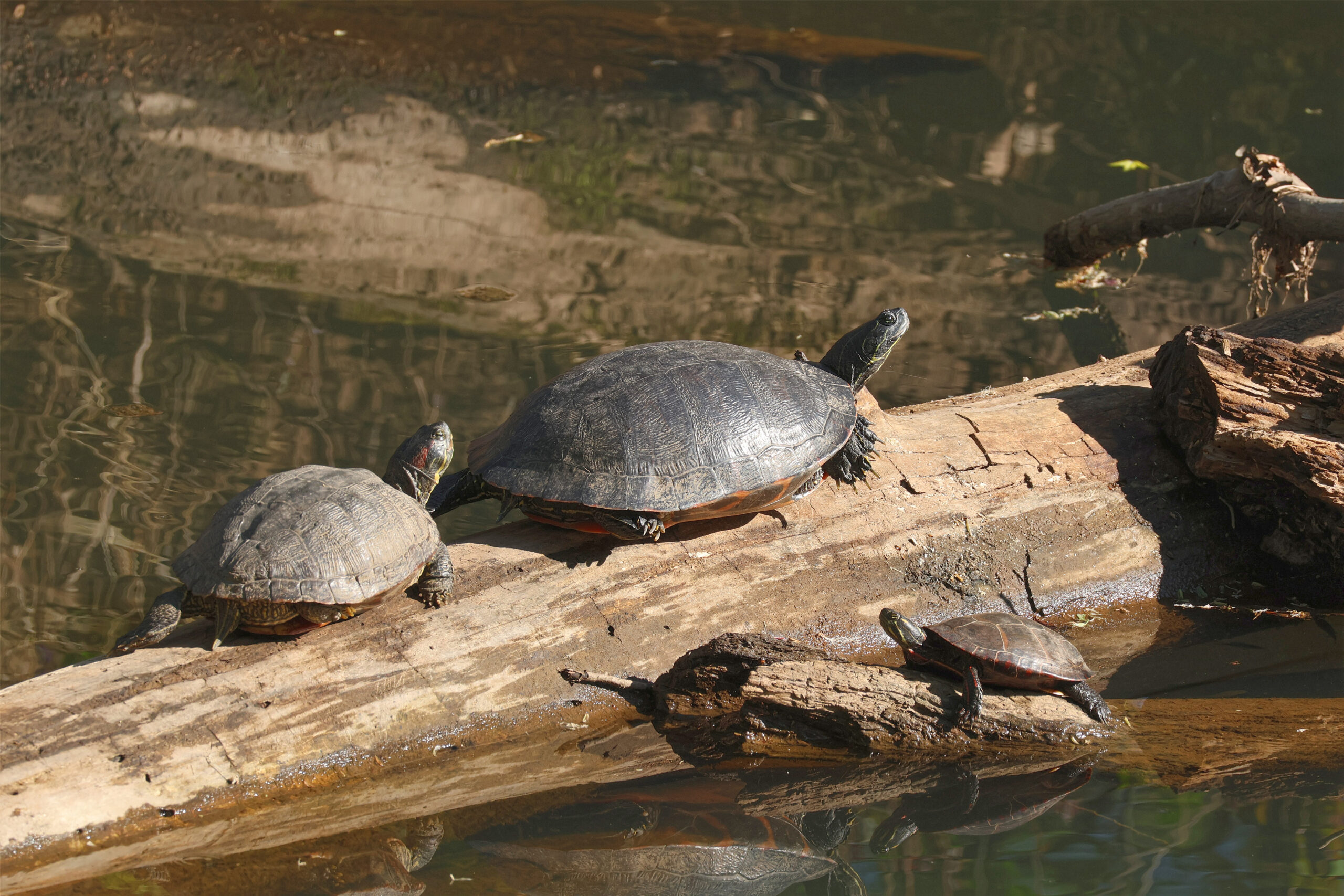
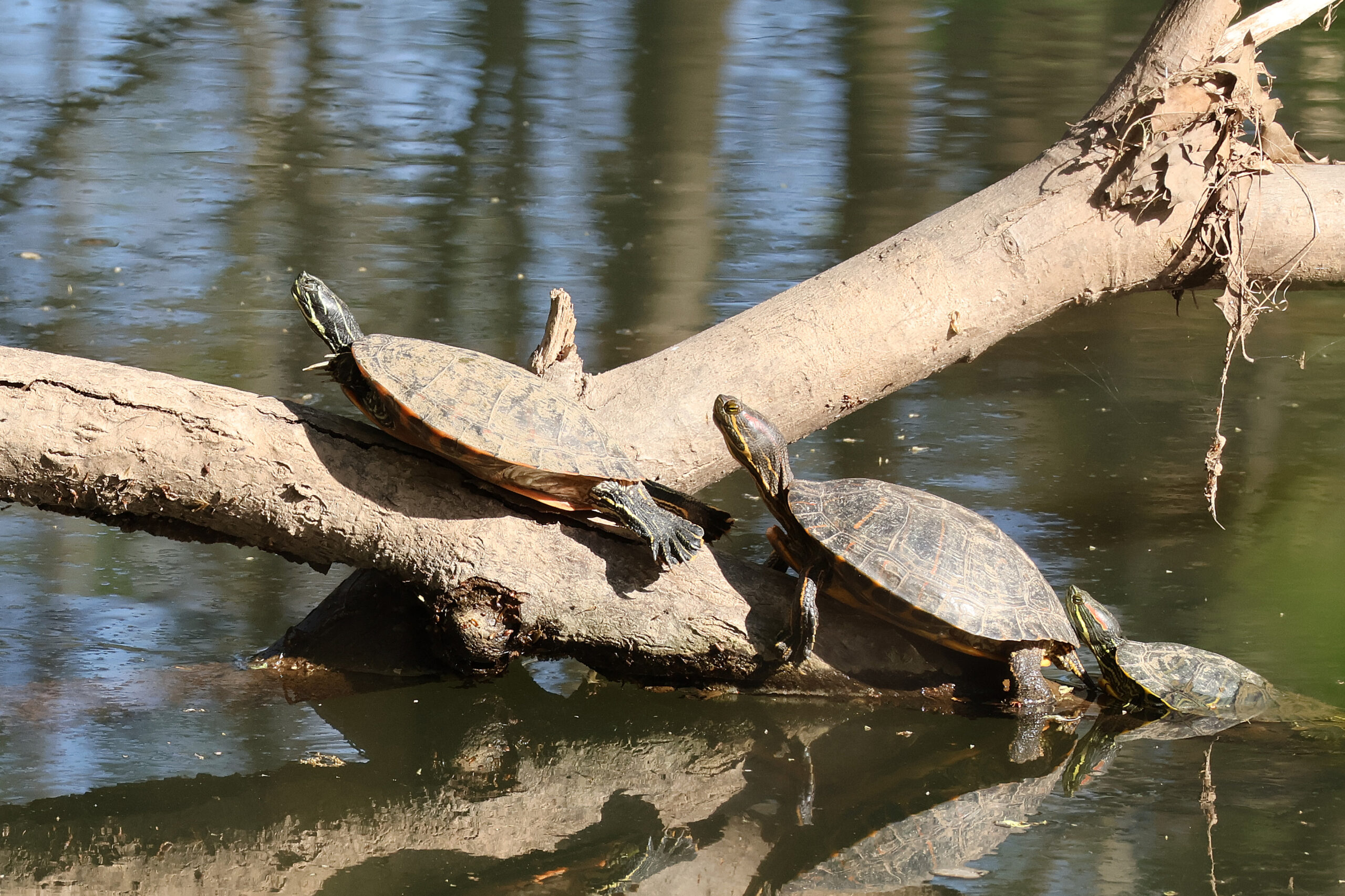
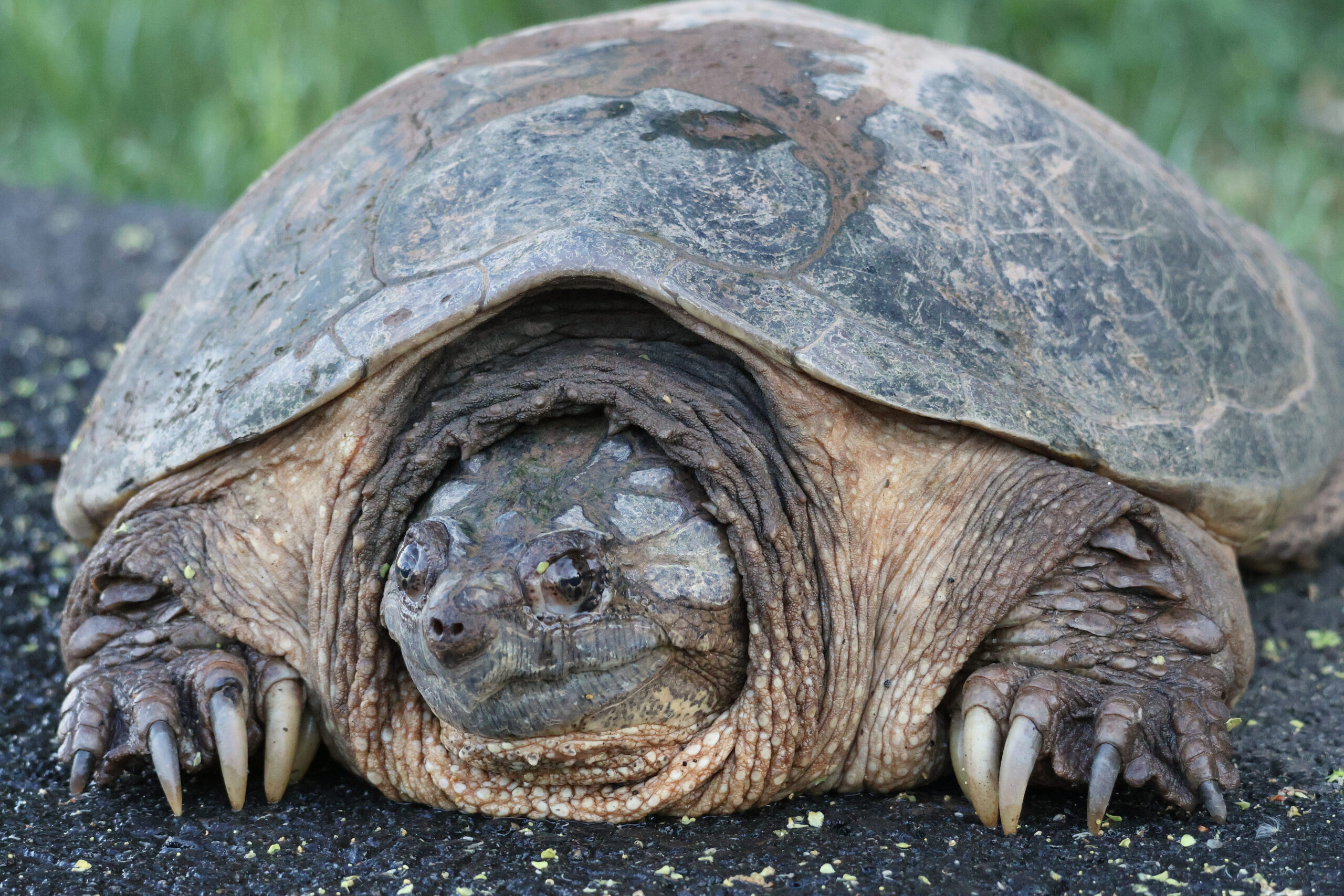
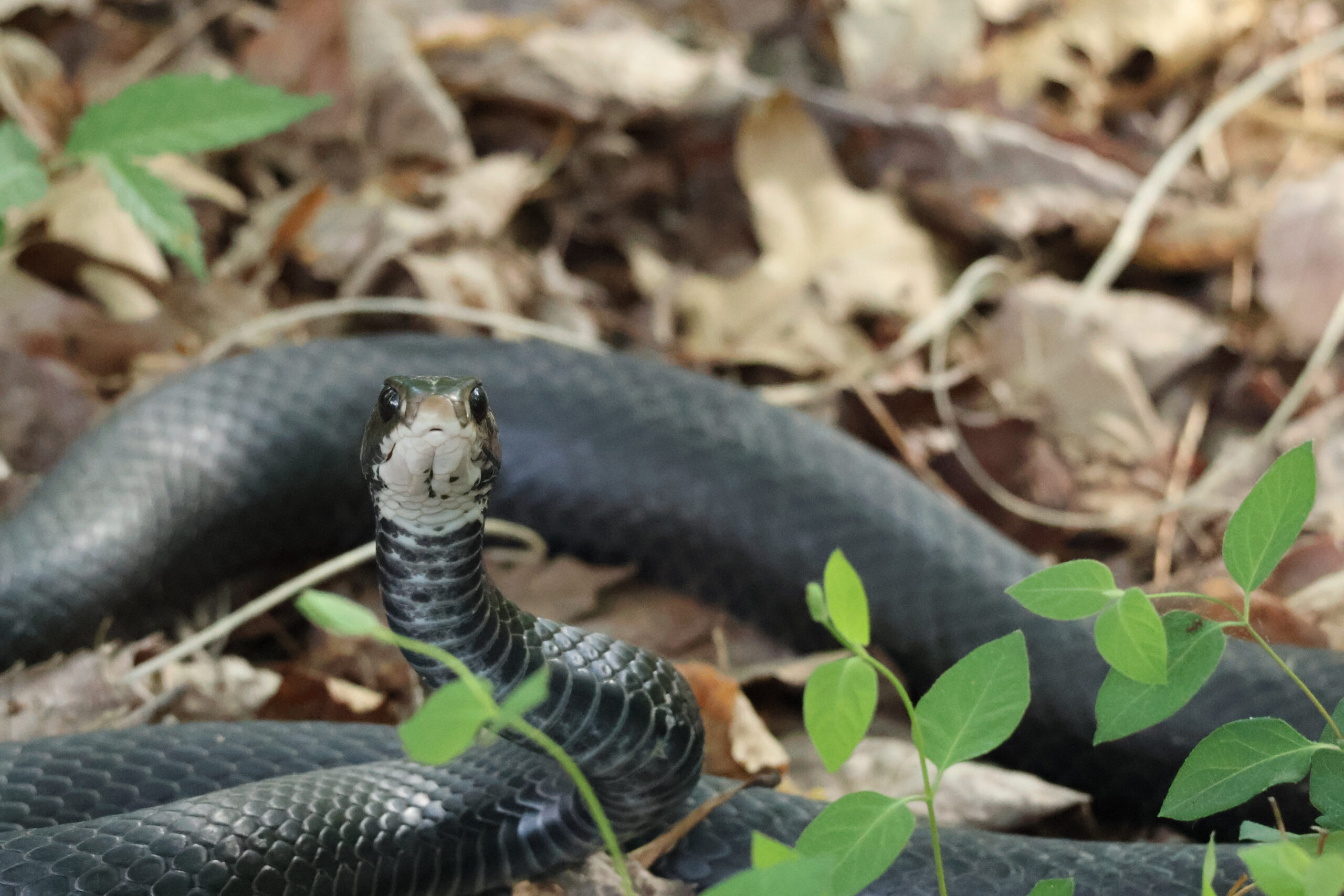
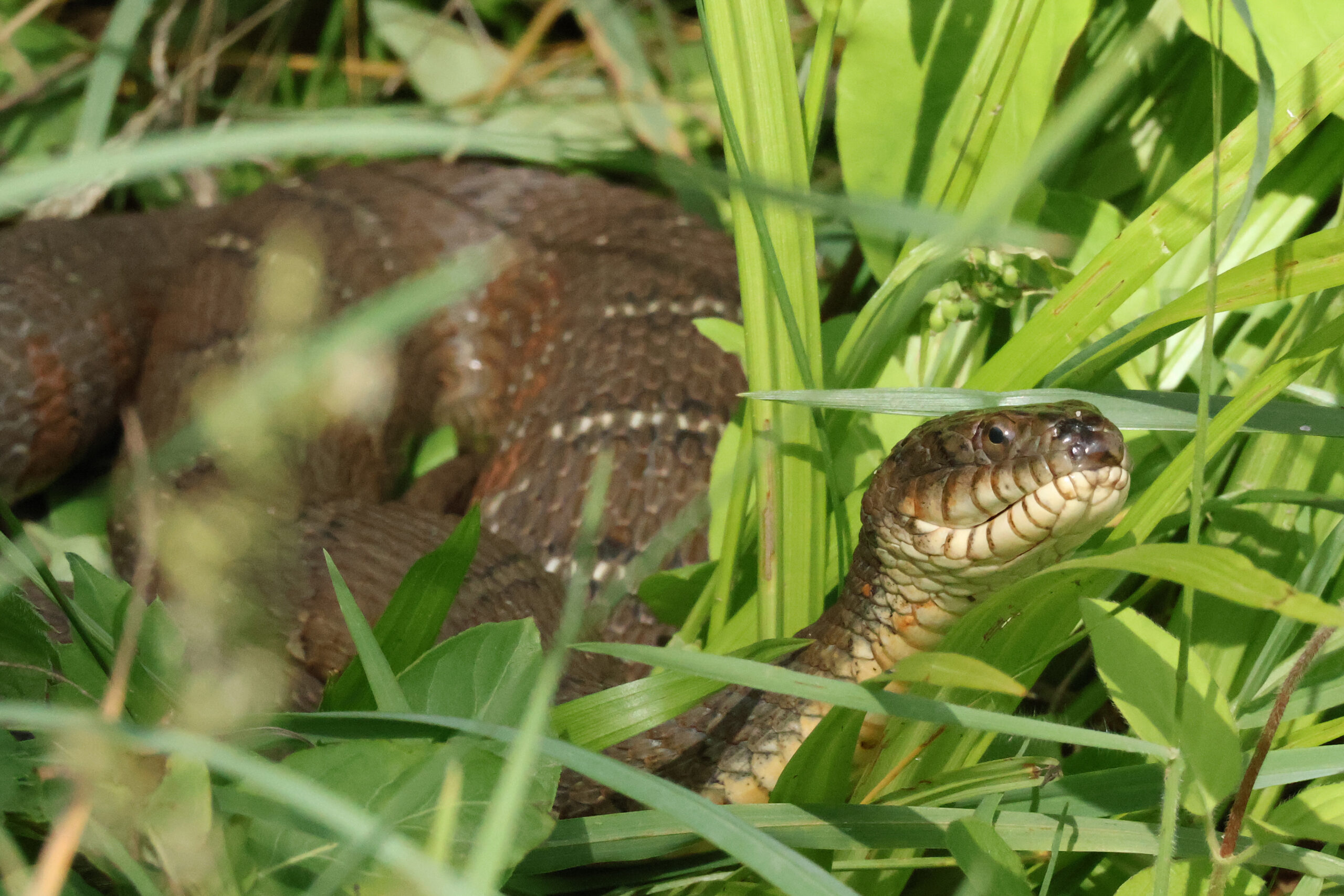
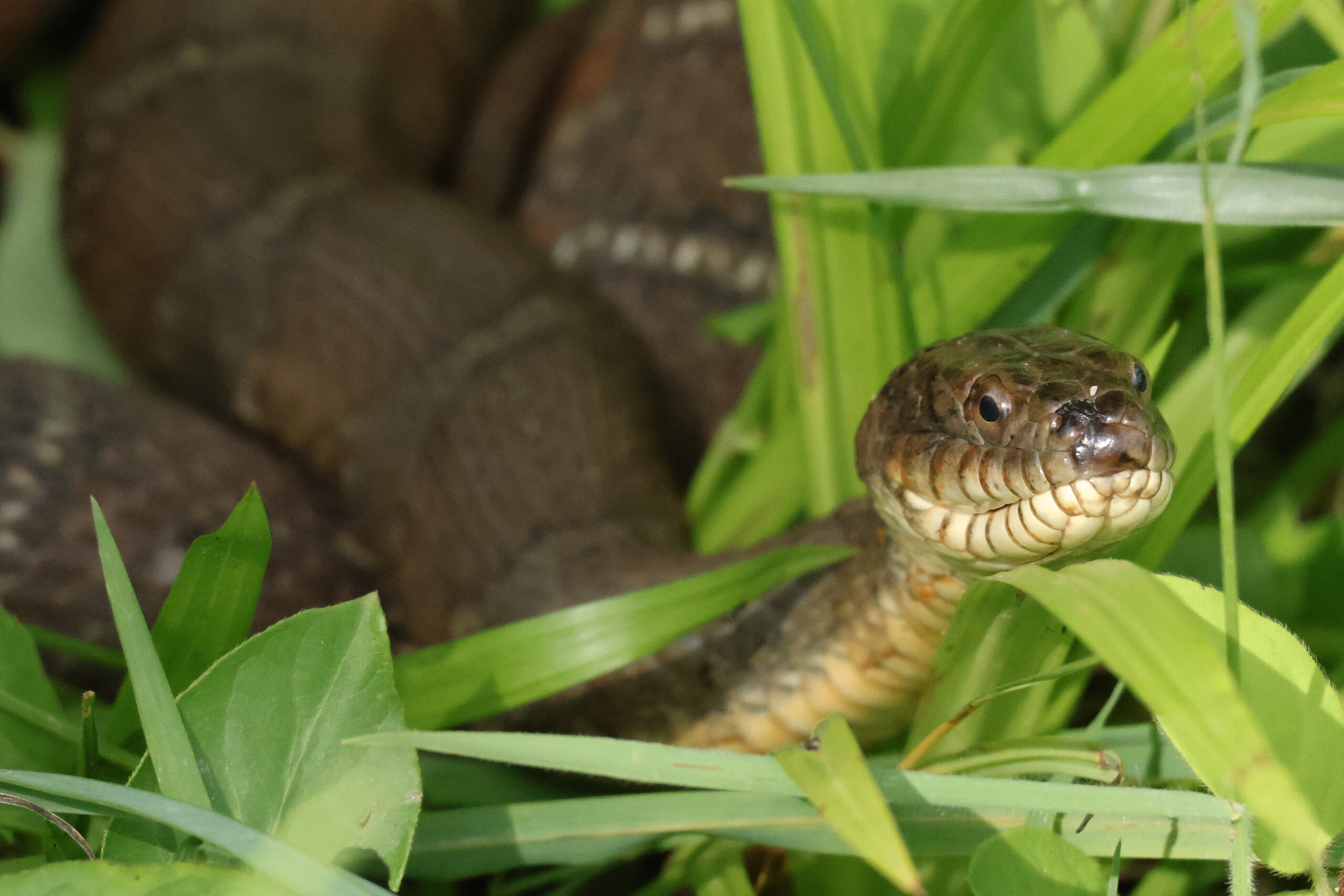
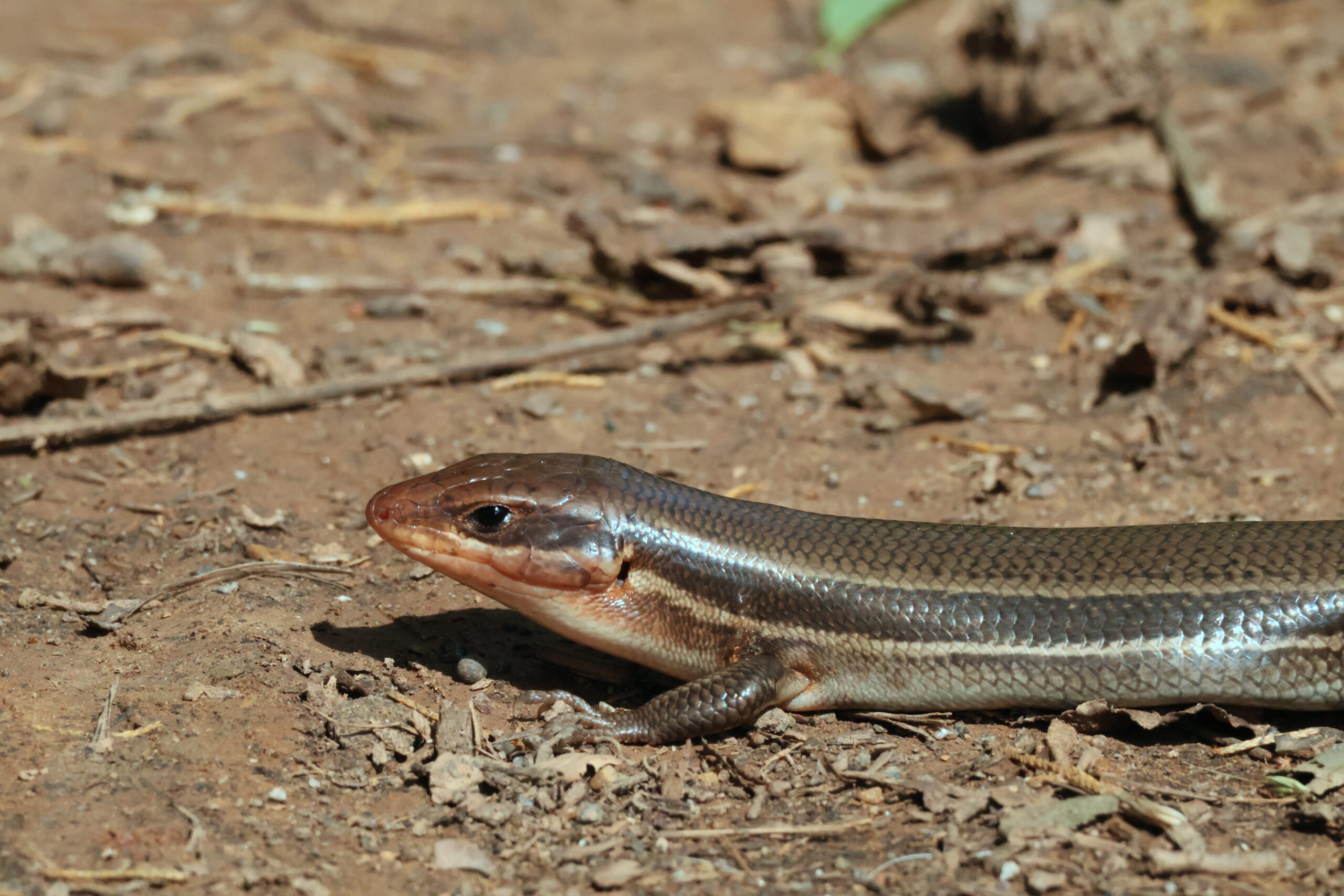
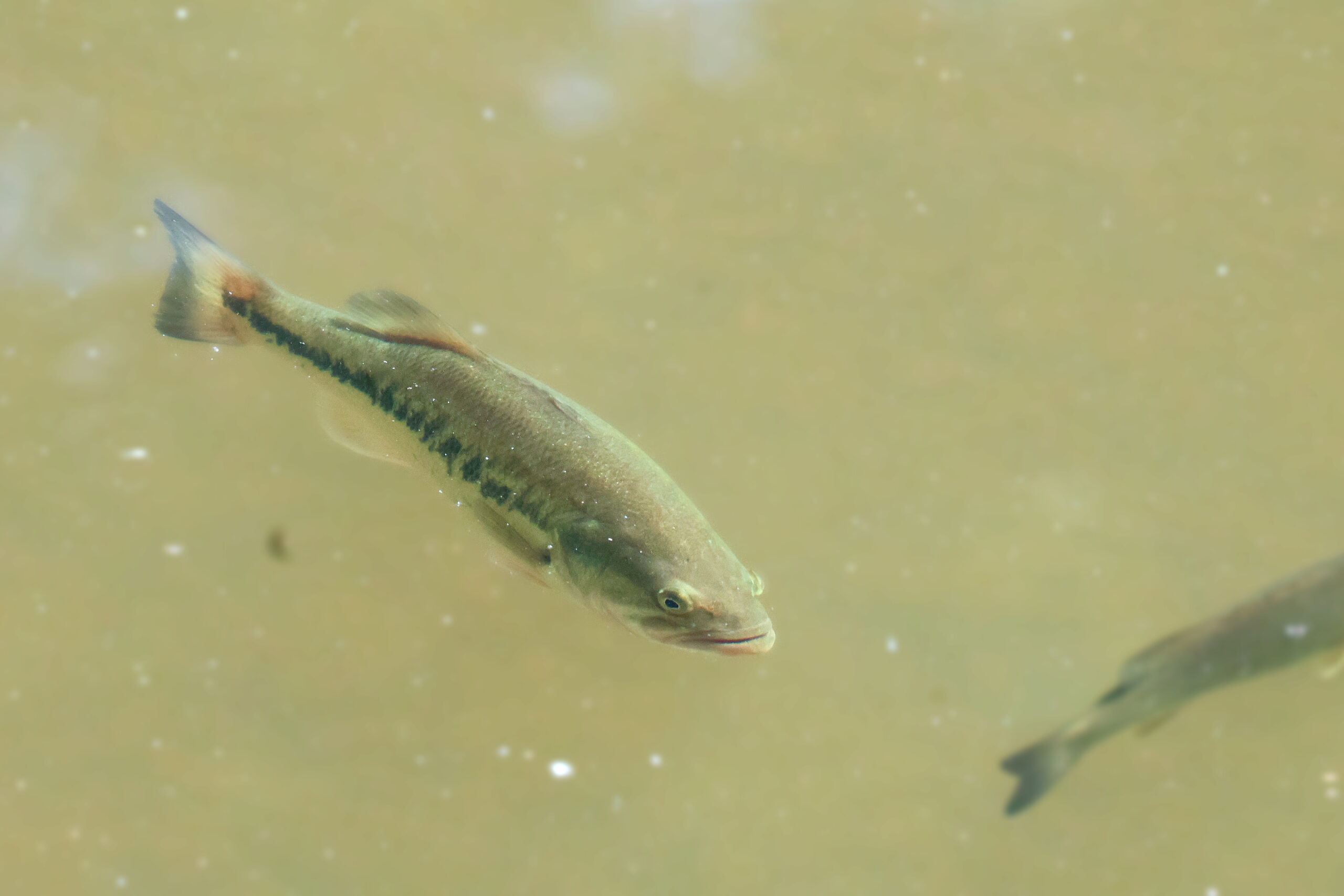
Painted Turtles Sunning on LogPainted Turtles in Three SizesFlying Painted Turtles Before TakeoffHuge Snapping TurtleCautious Black SnakeNorthern WatersnakeNorthern Watersnake5-Lined SkinkLargemouth Bass in Sugarland Run
Insects
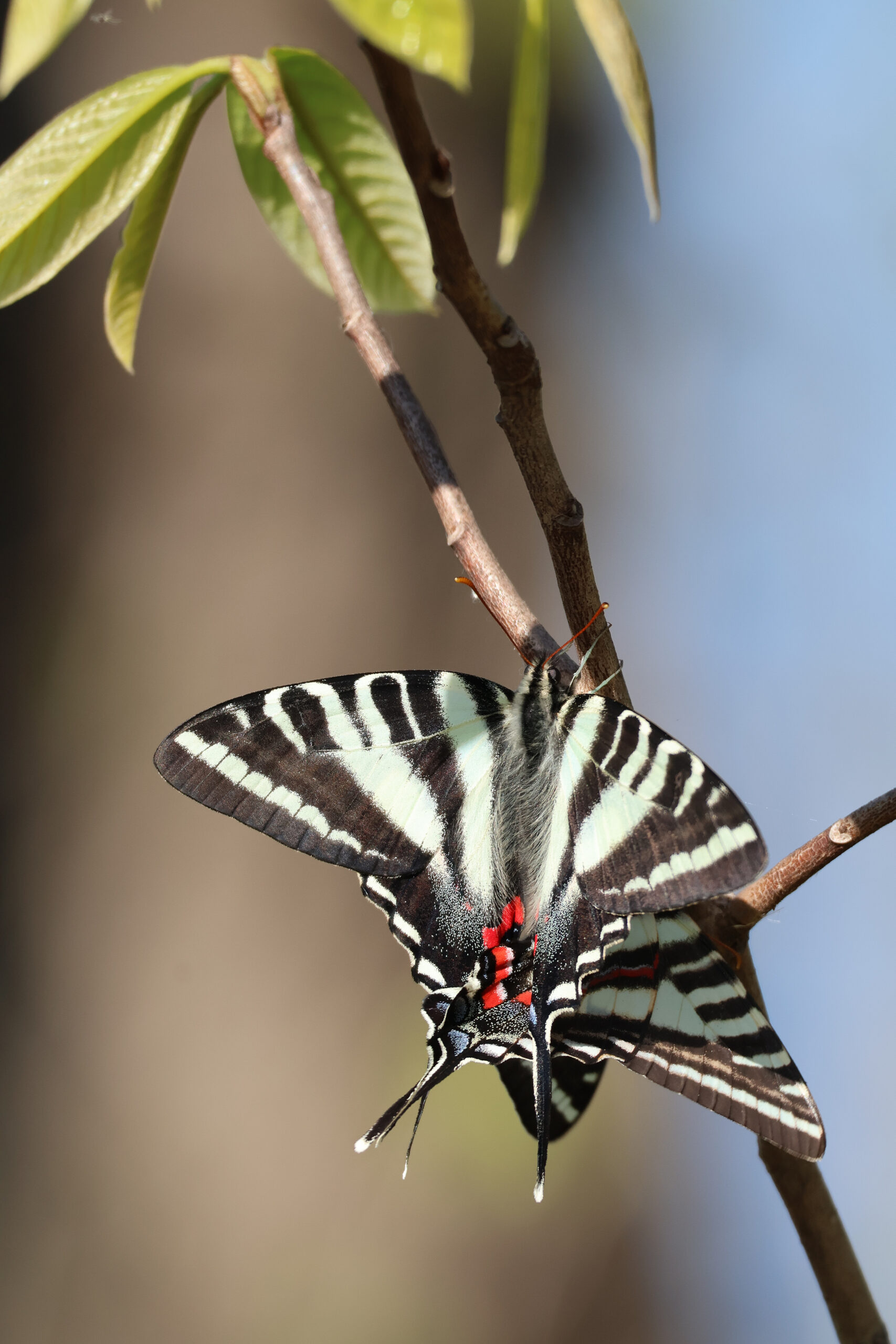
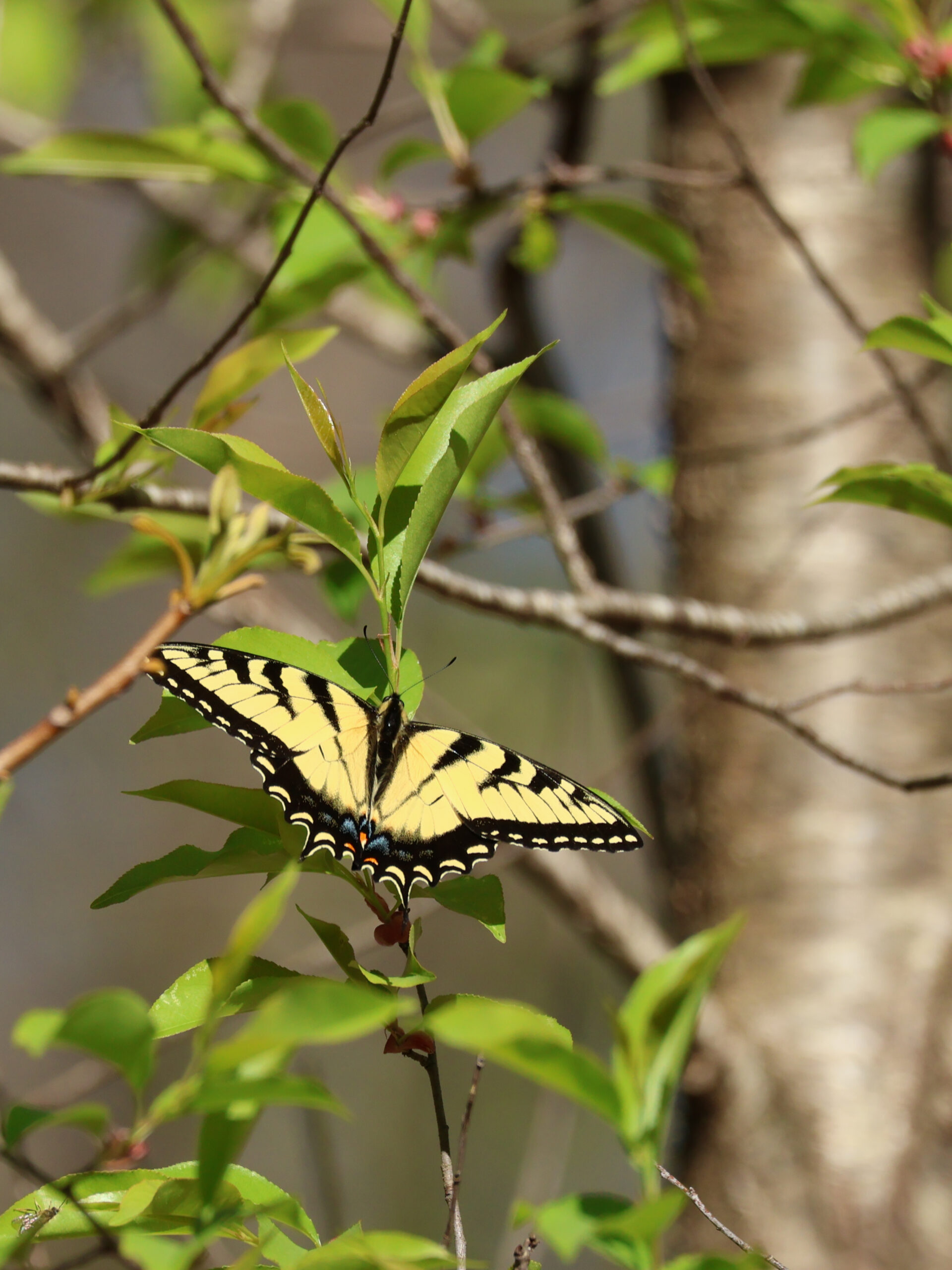
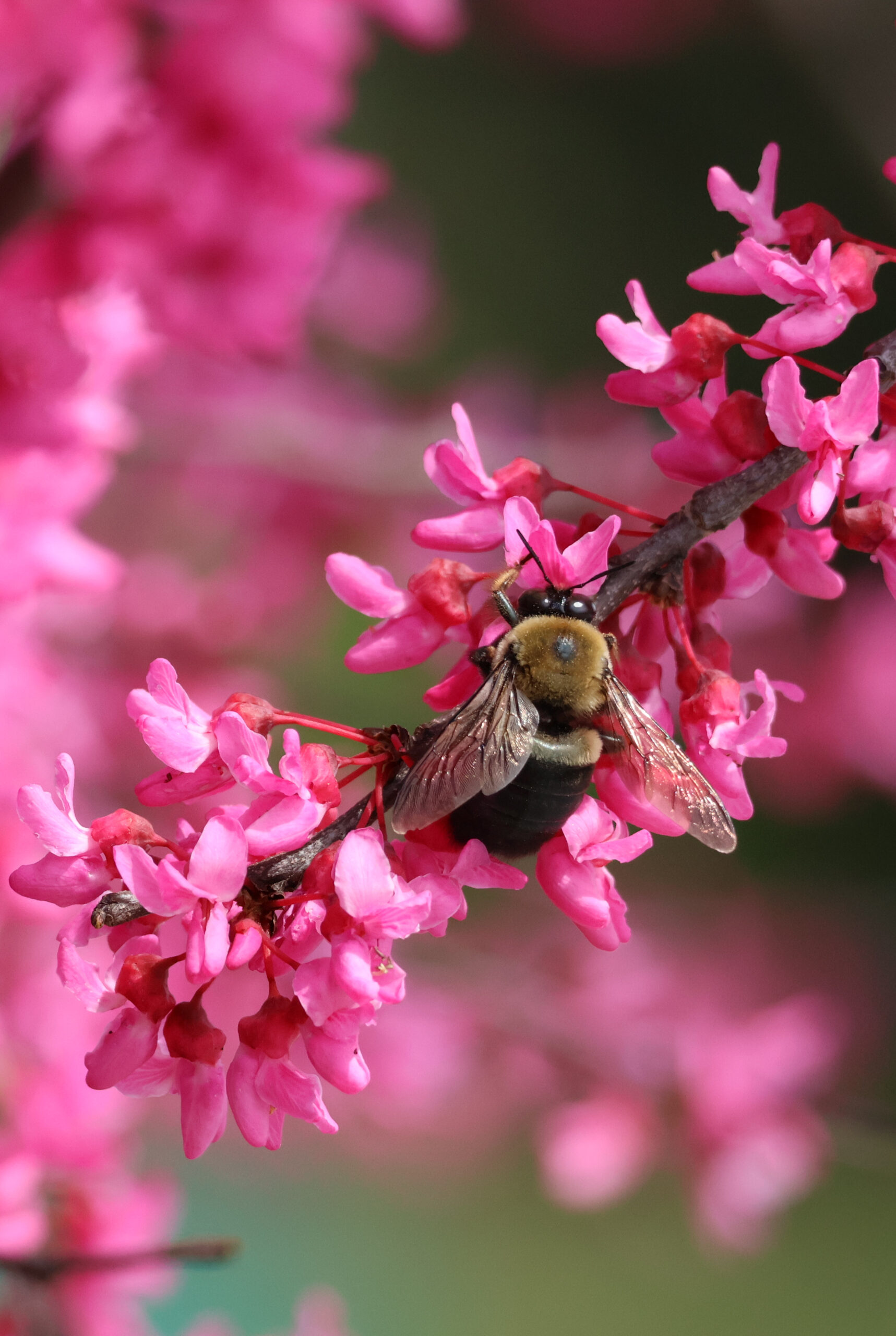
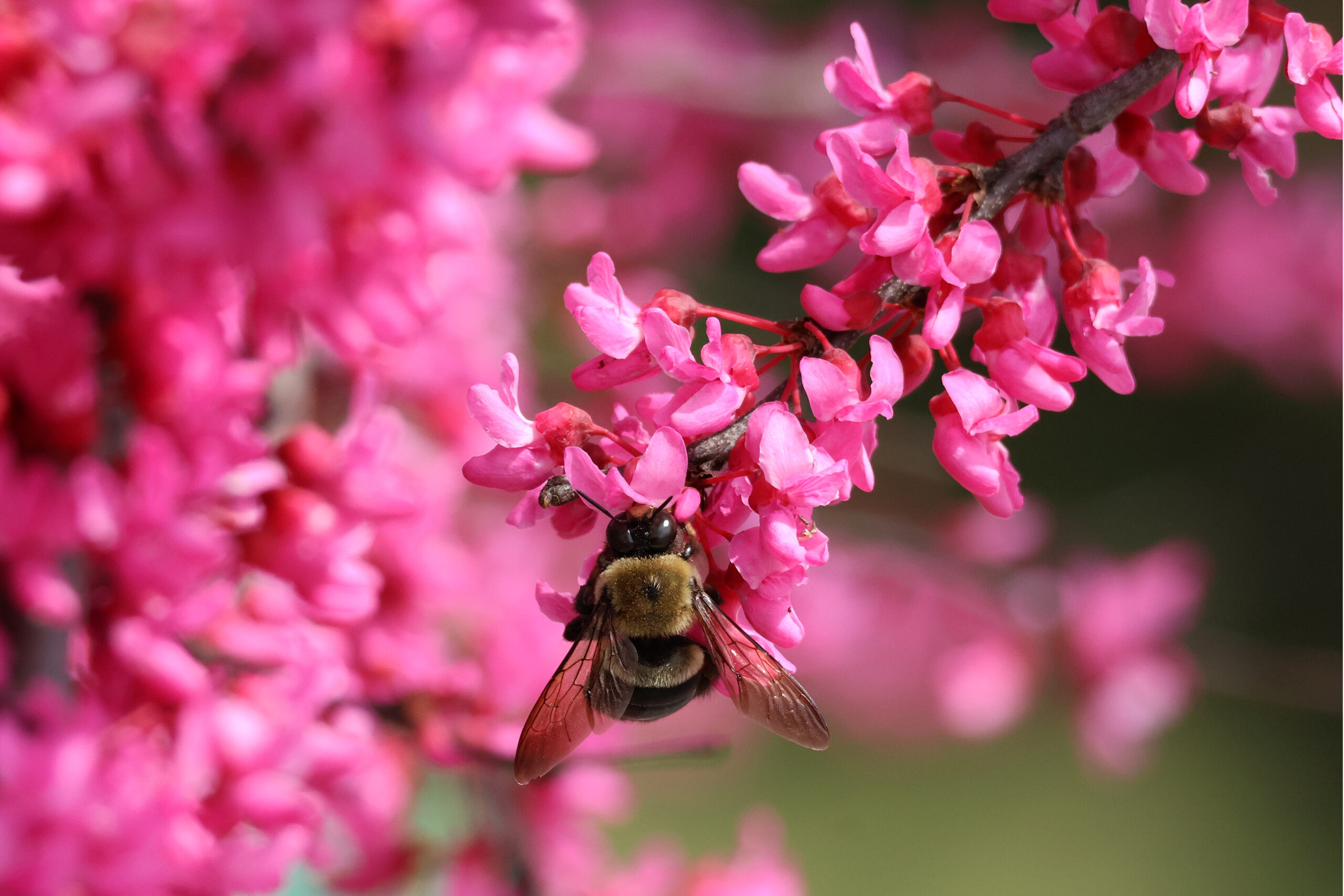
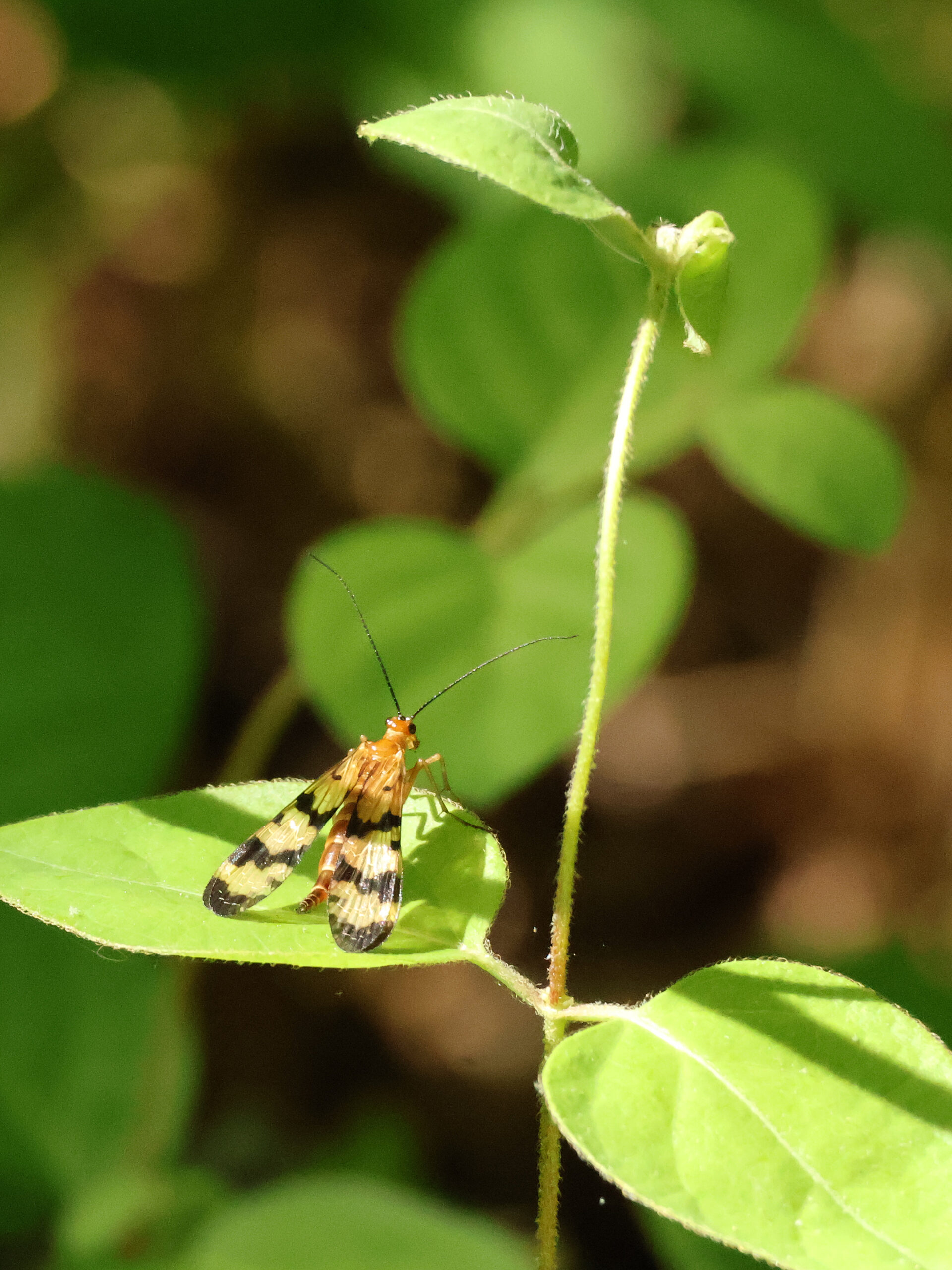
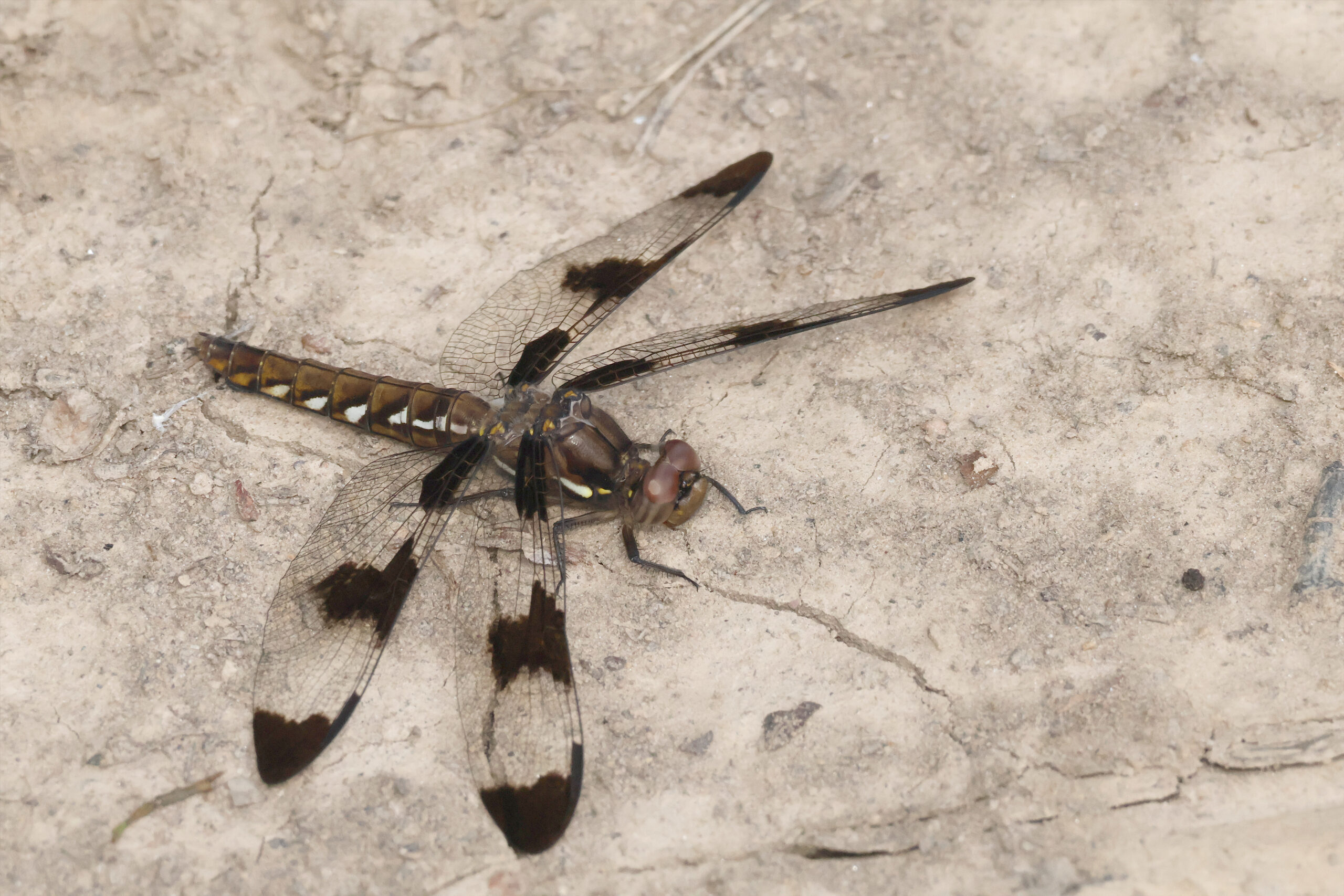
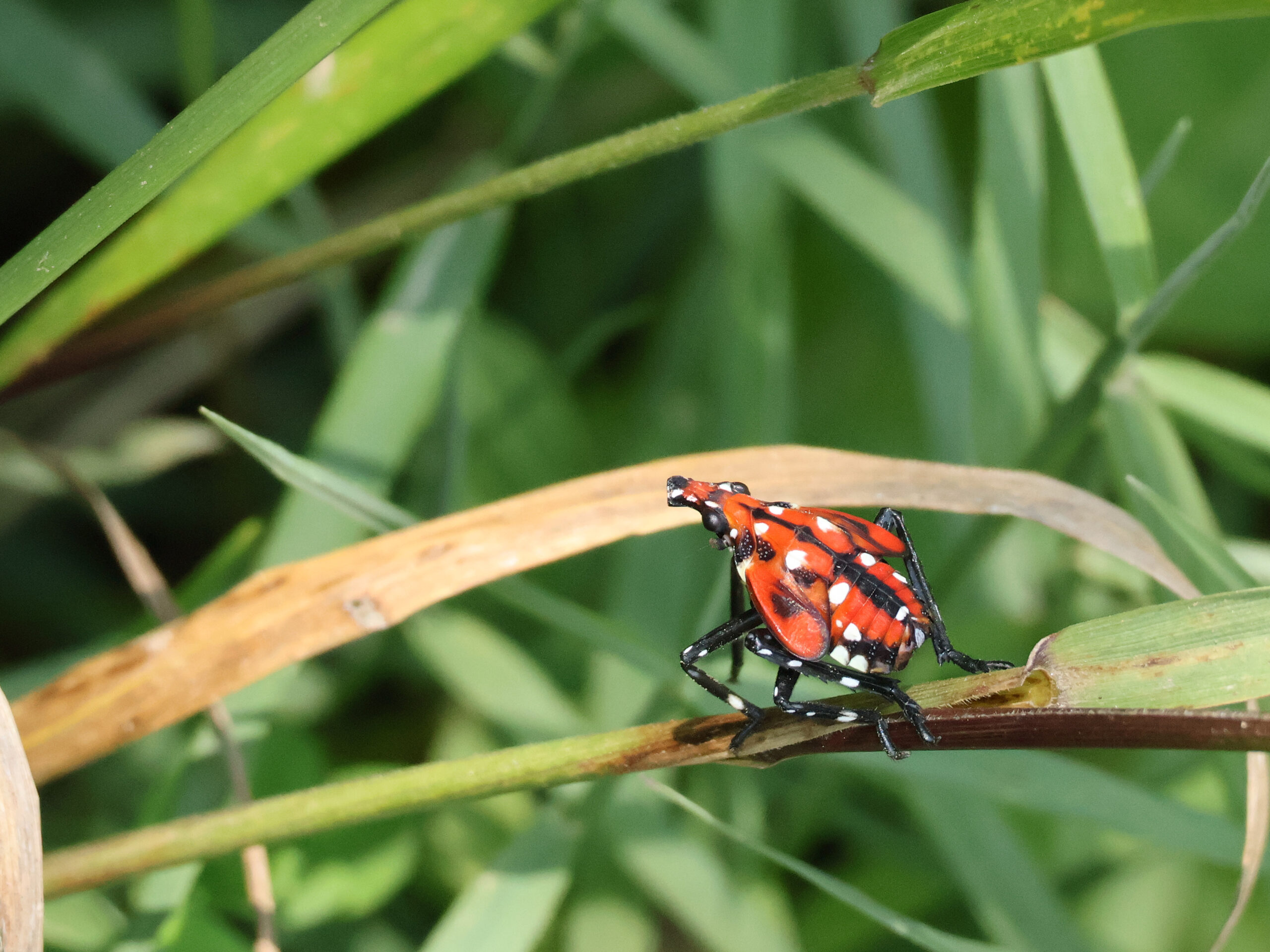
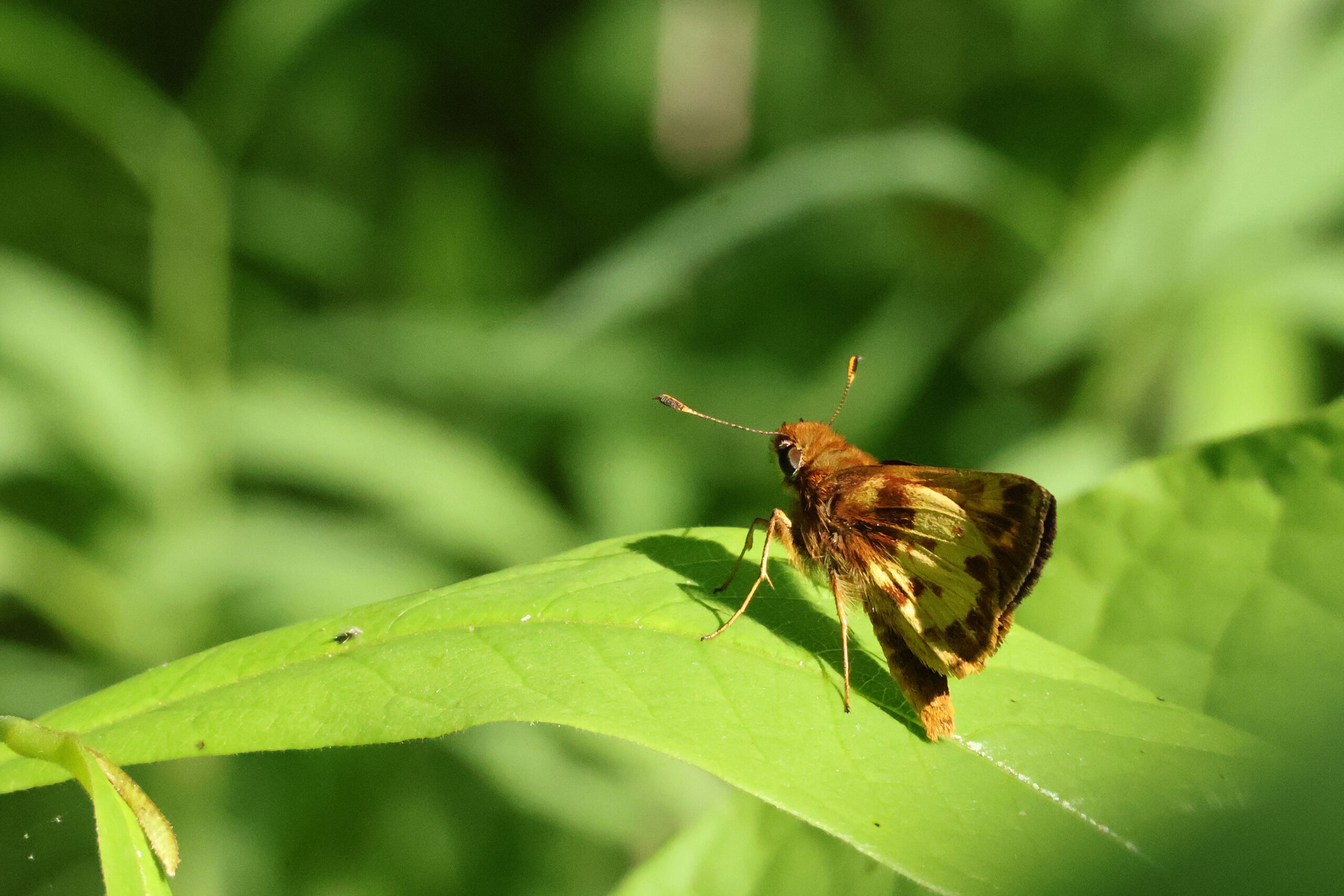
Zebra Swallowtails MatingEastern Tiger SwallowtailCarpenter Bee at Work 01Carpenter Bee at Work 02ScorpionflyFemale Eastern Pondhawk DragonflyFemale Common Whitetail DragonflySpotted Lanternfly NymphMulberry Wing Butterfly
Foliage
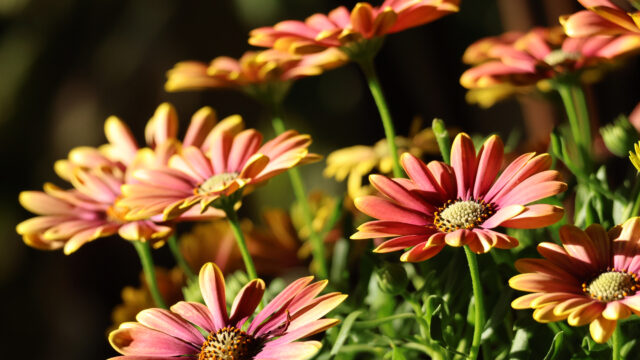
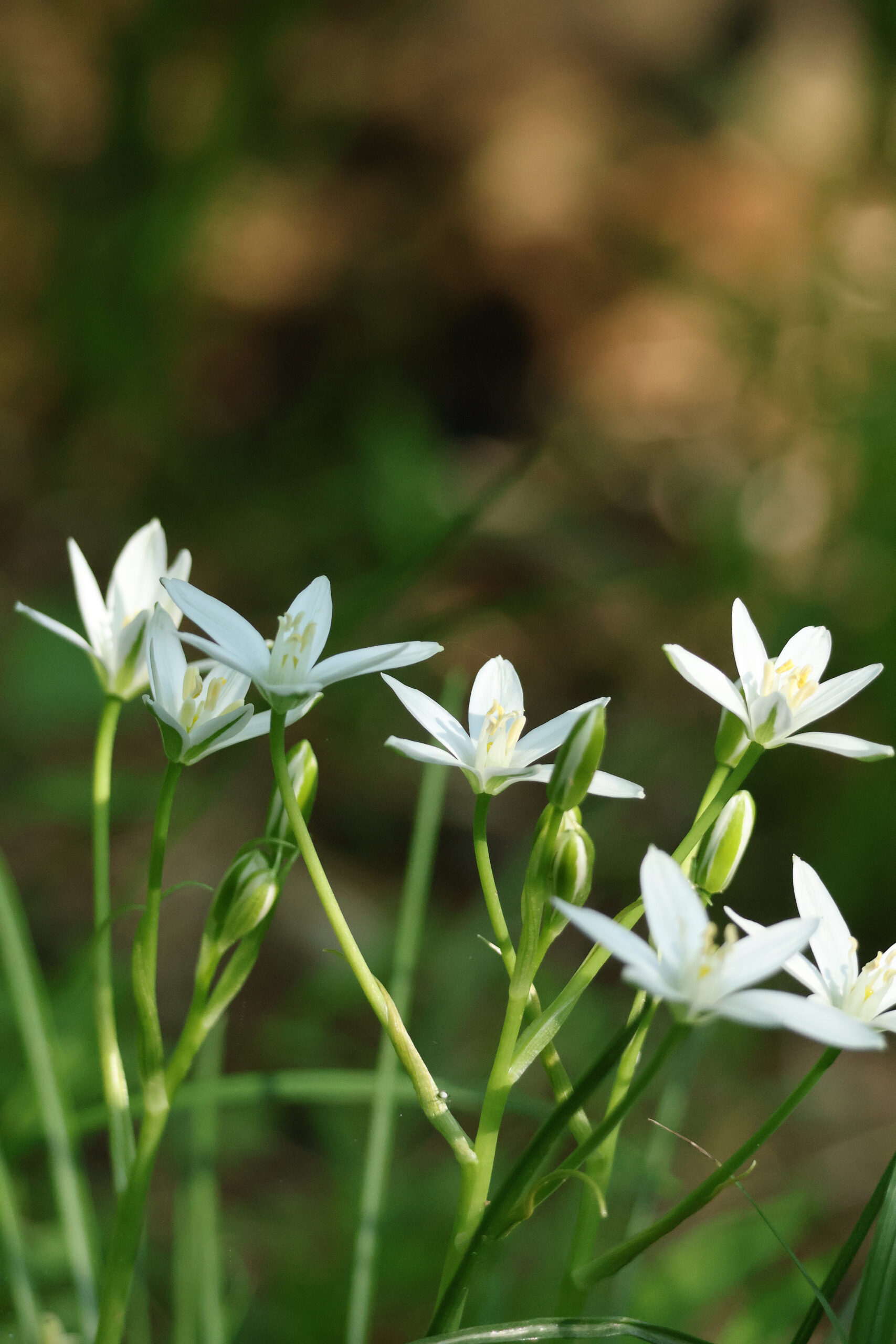
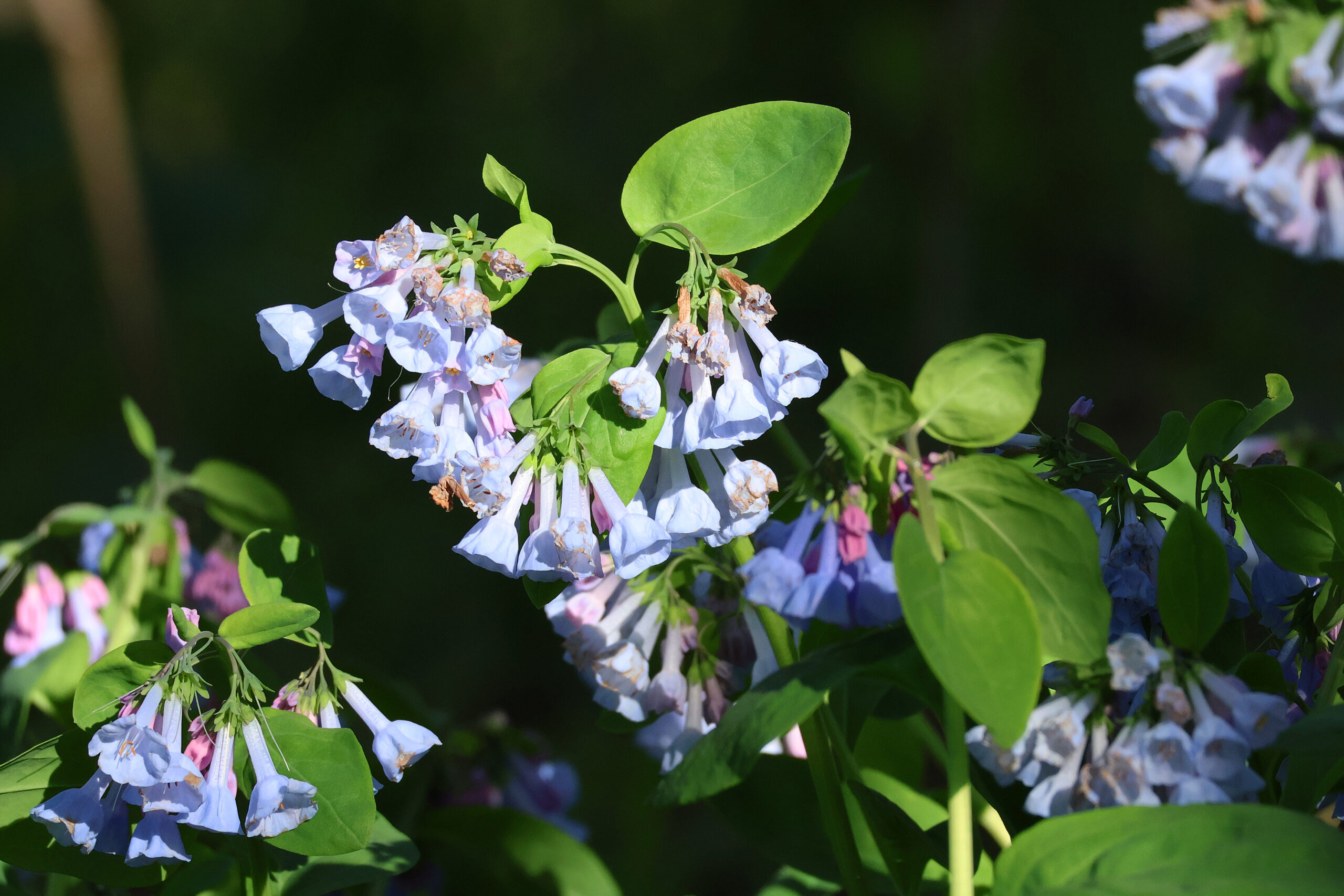
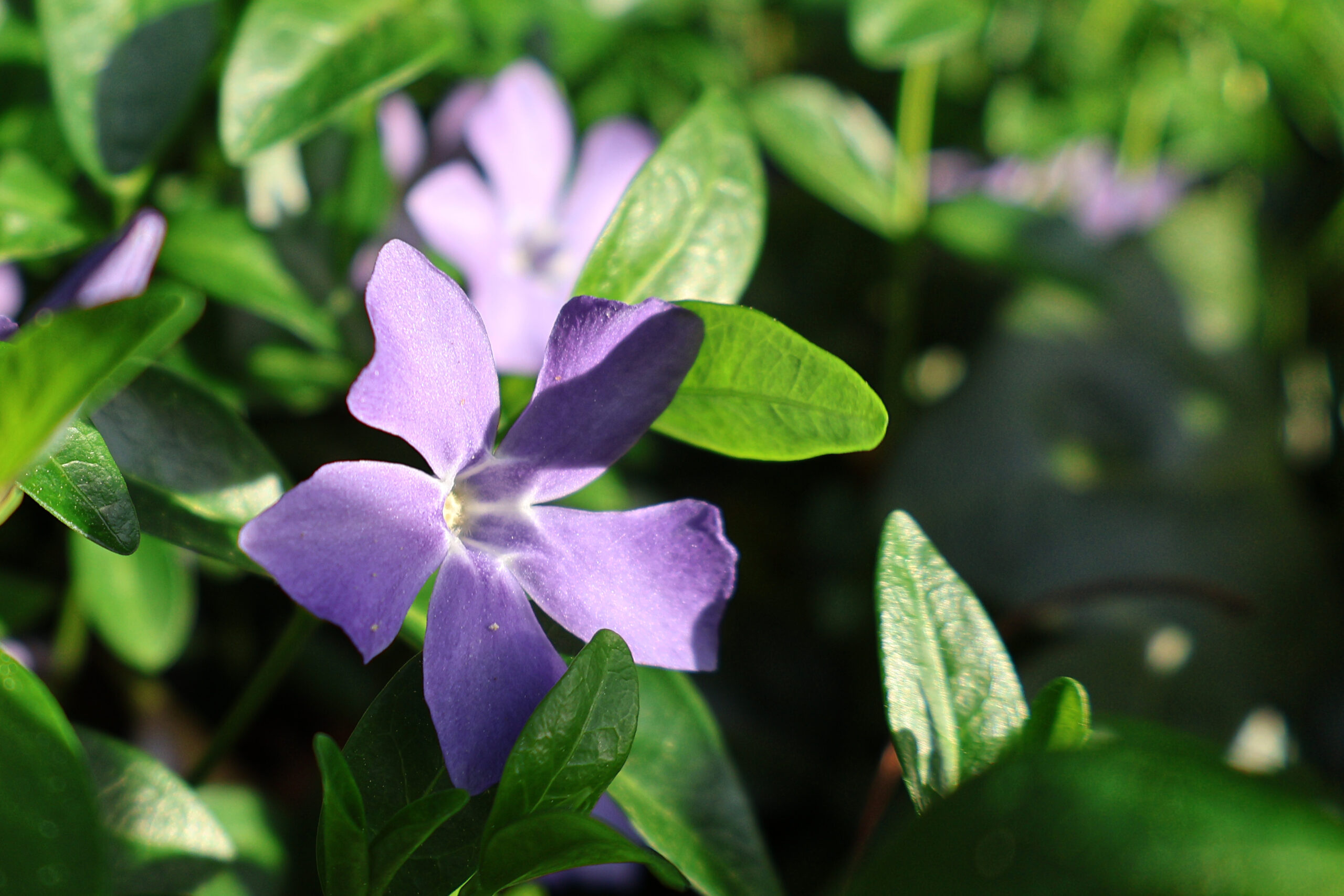
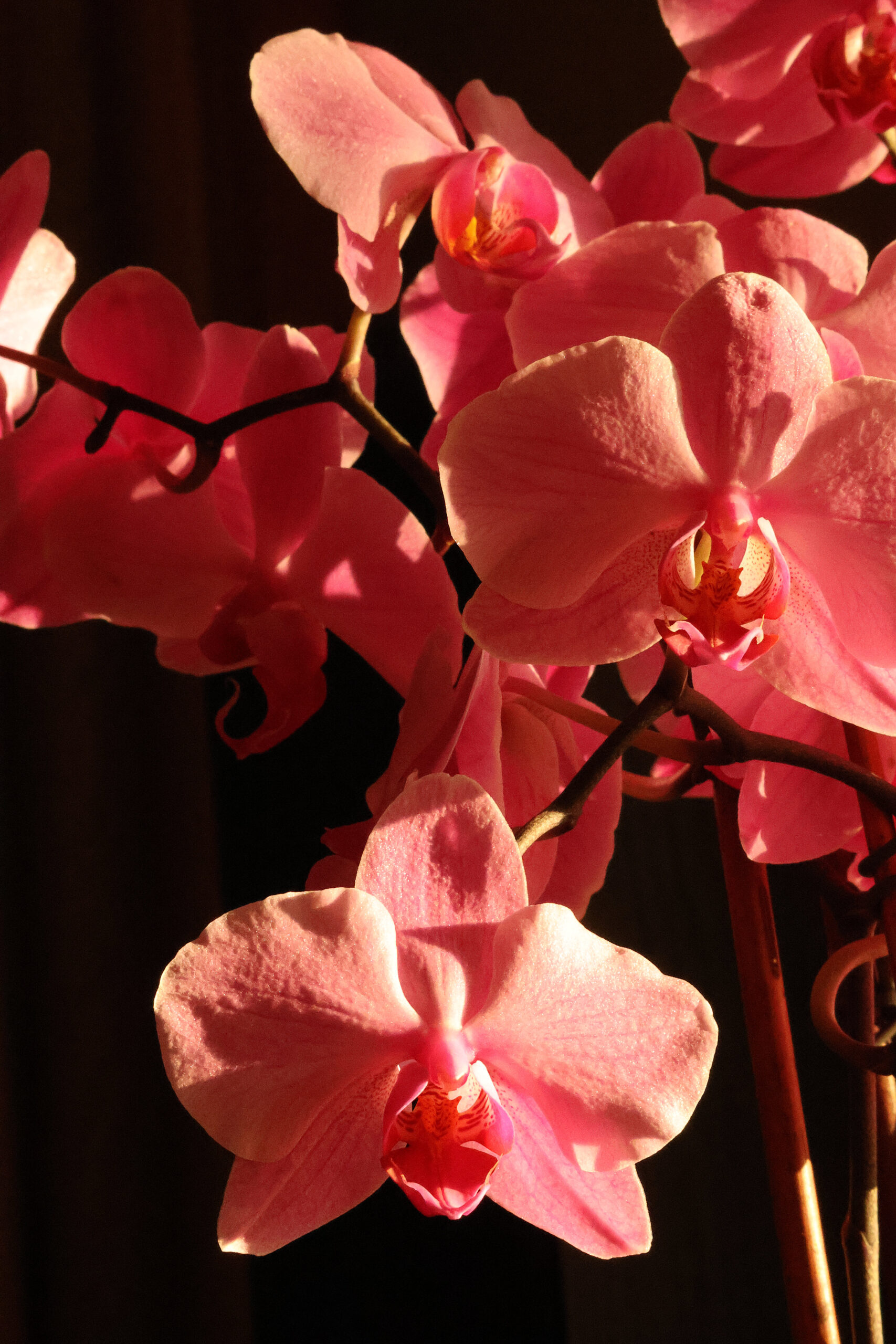
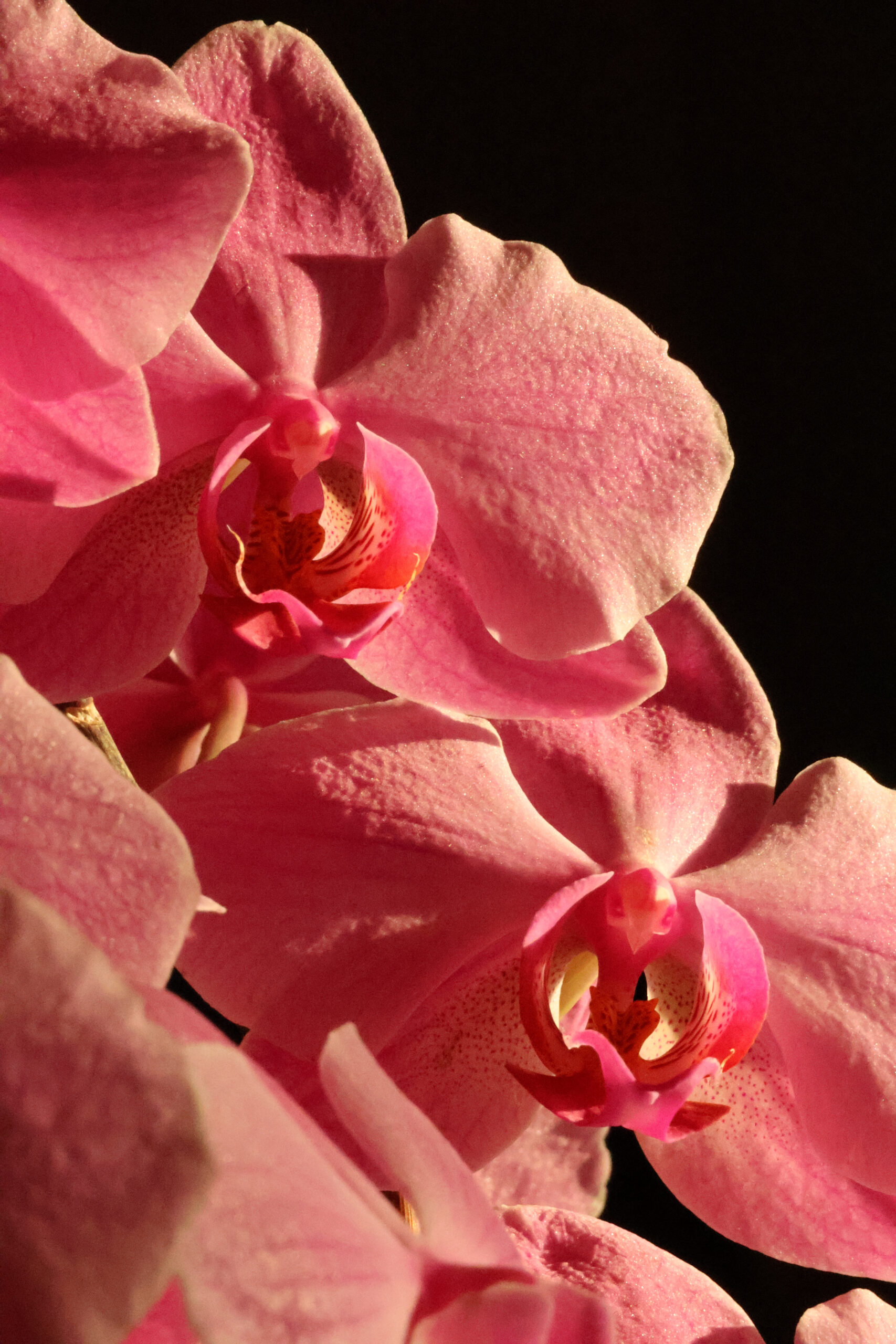
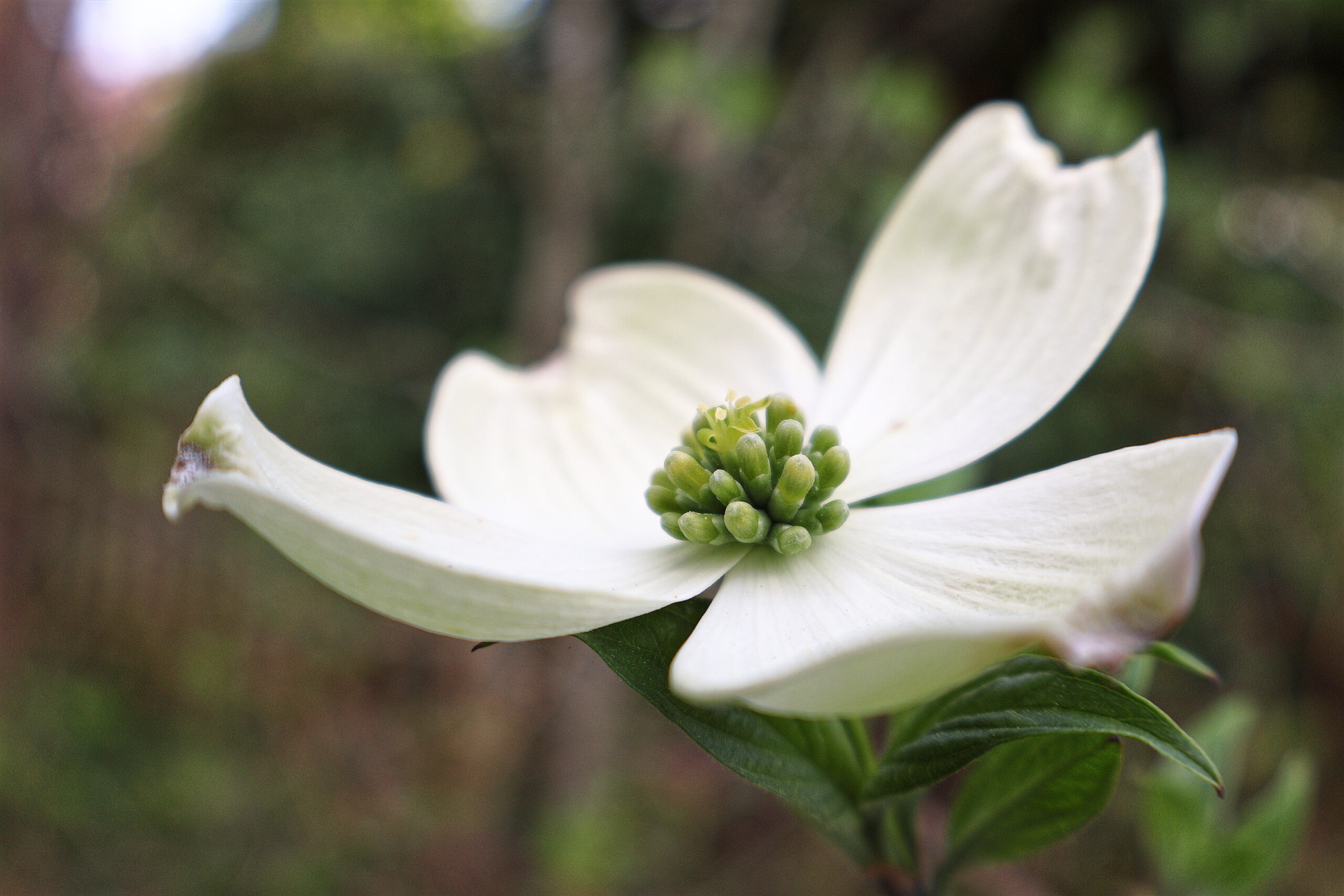
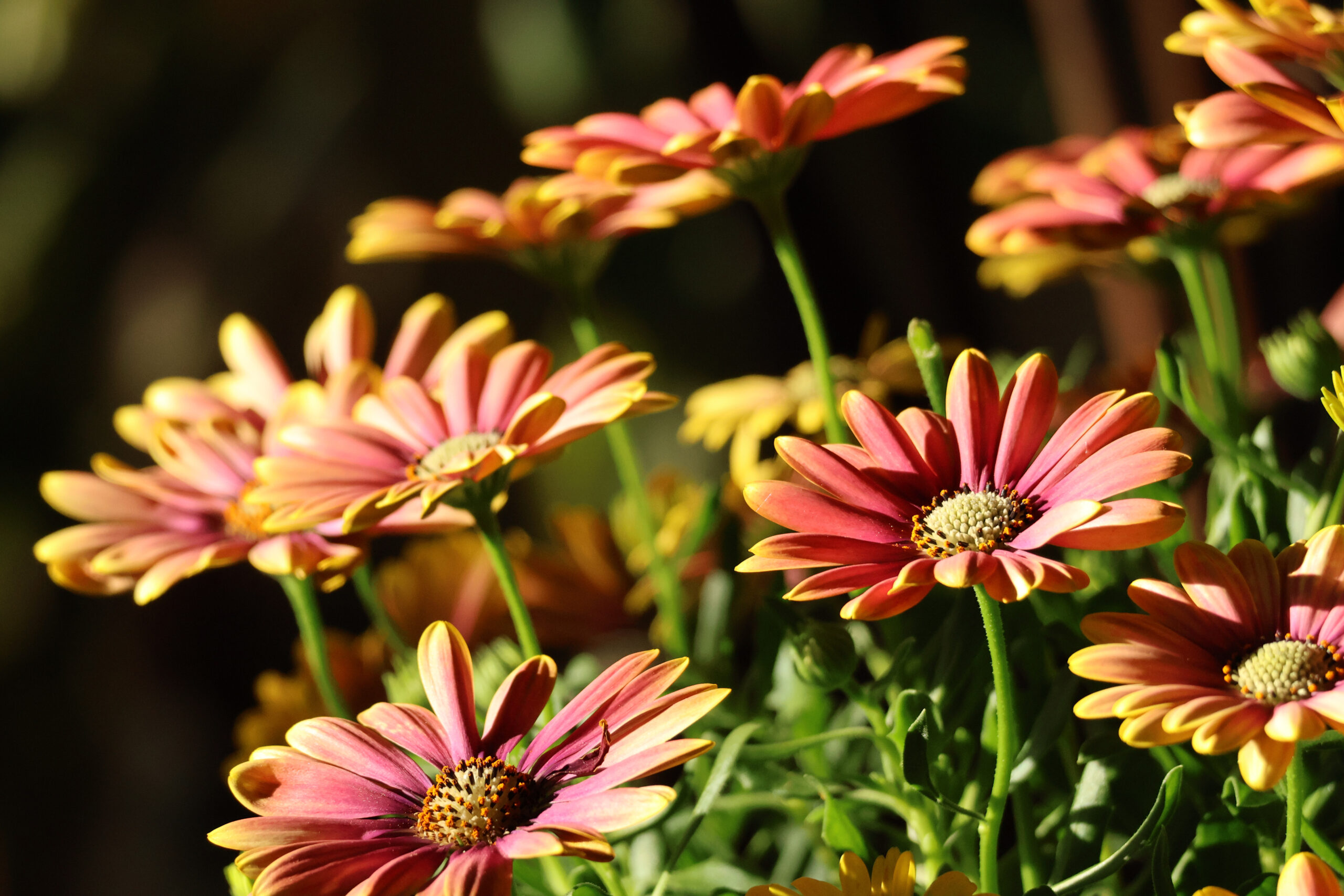
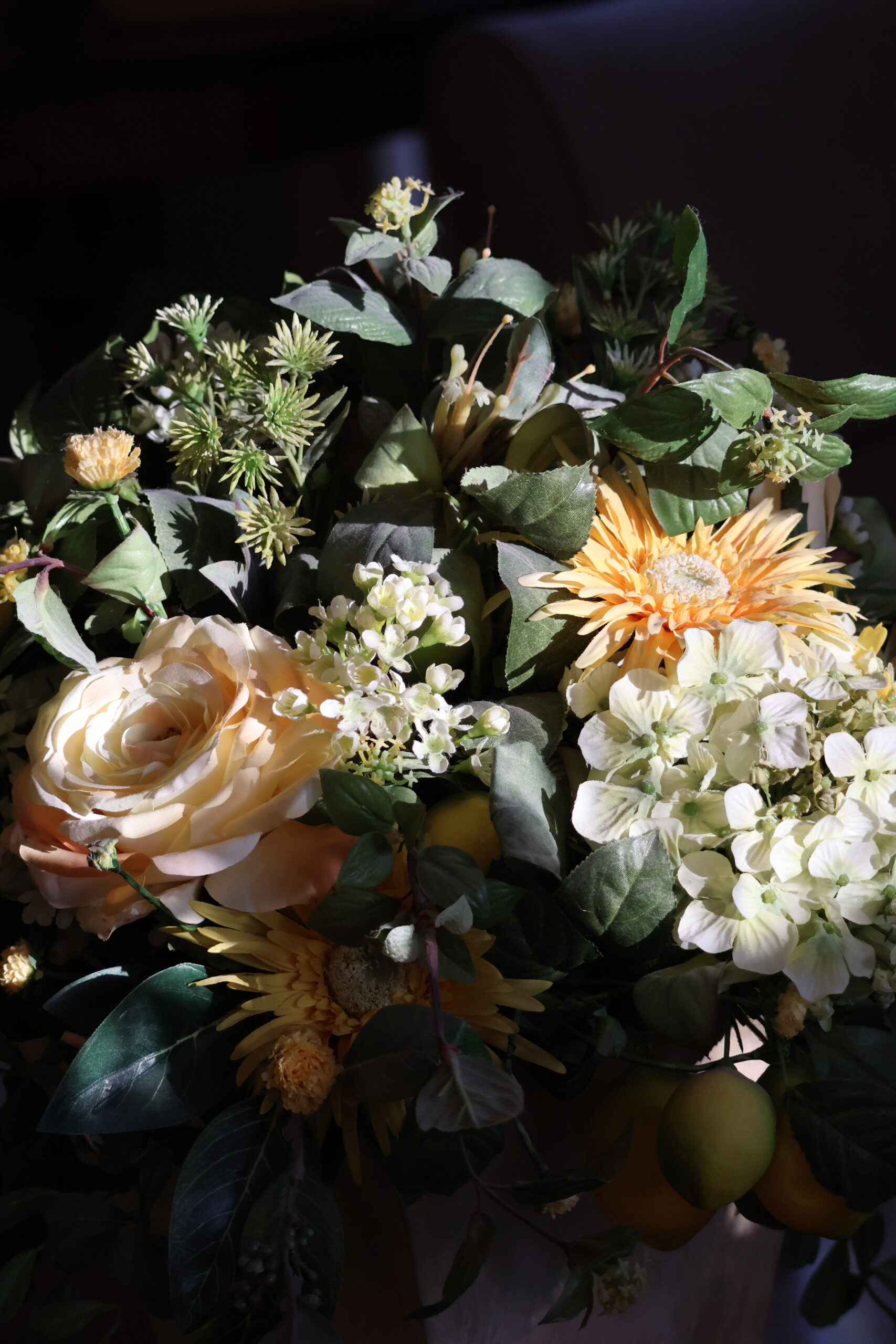
Snow Drop Flower with SpiderFlies on Snowdrop FlowersBleeding HeartsBluebells Along TrailBack Yard PeriwinkleOrchid Detail 01Orchid Detail 02Single Dogwood BloomFreddie’s Sunroom Daisy FlowersFront Yard HyacinthsSilk Flower Arrangement
Miscellaneous
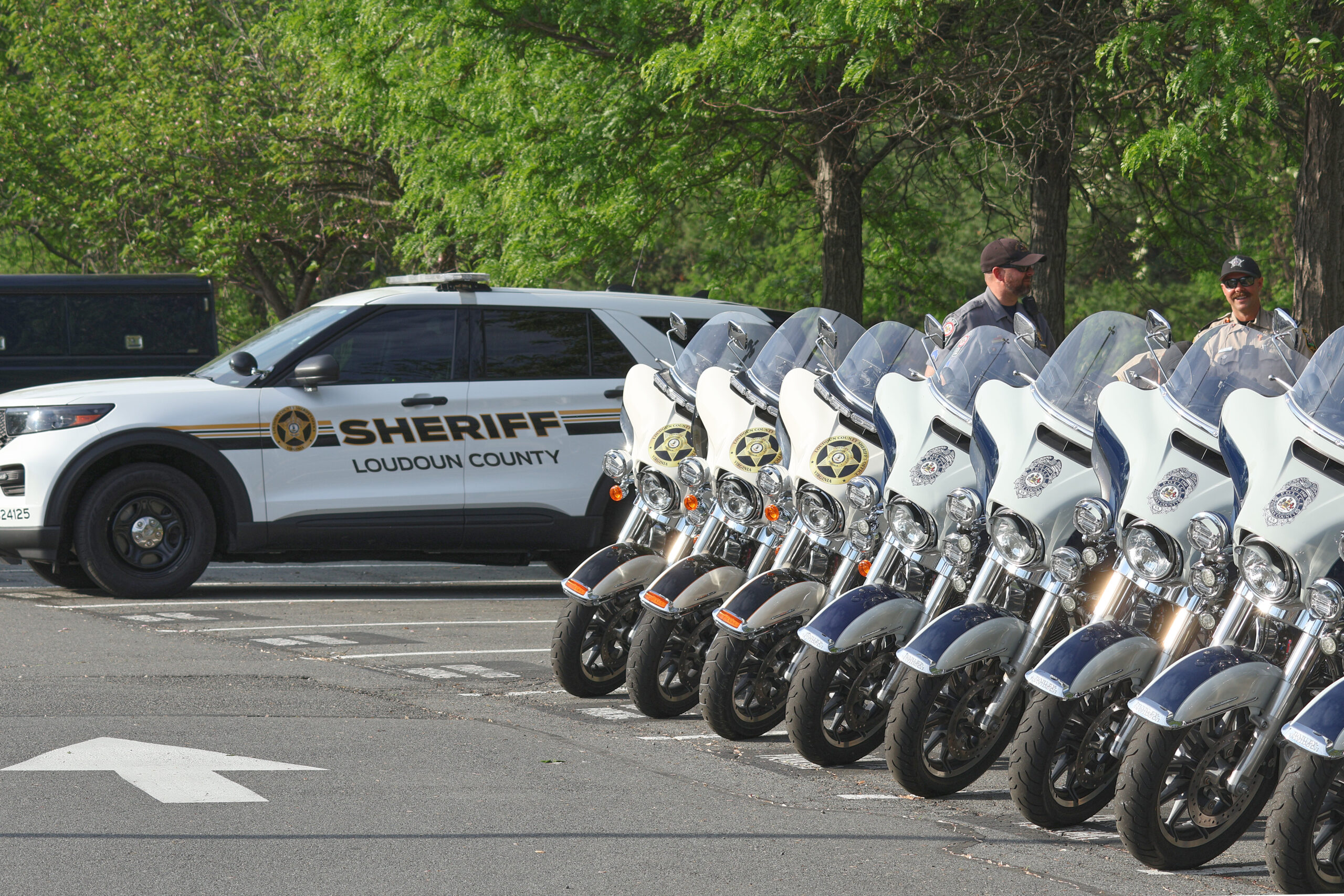
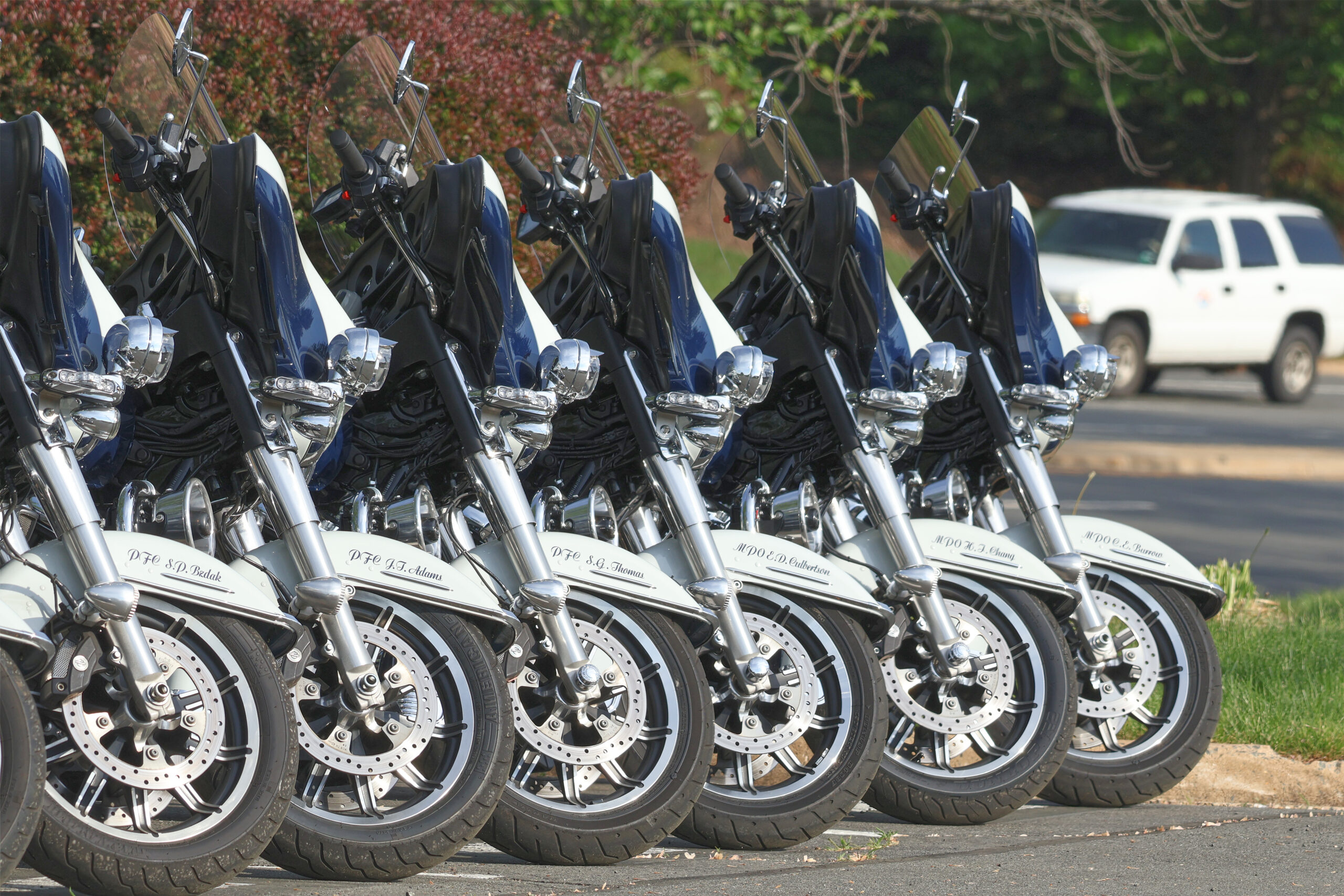
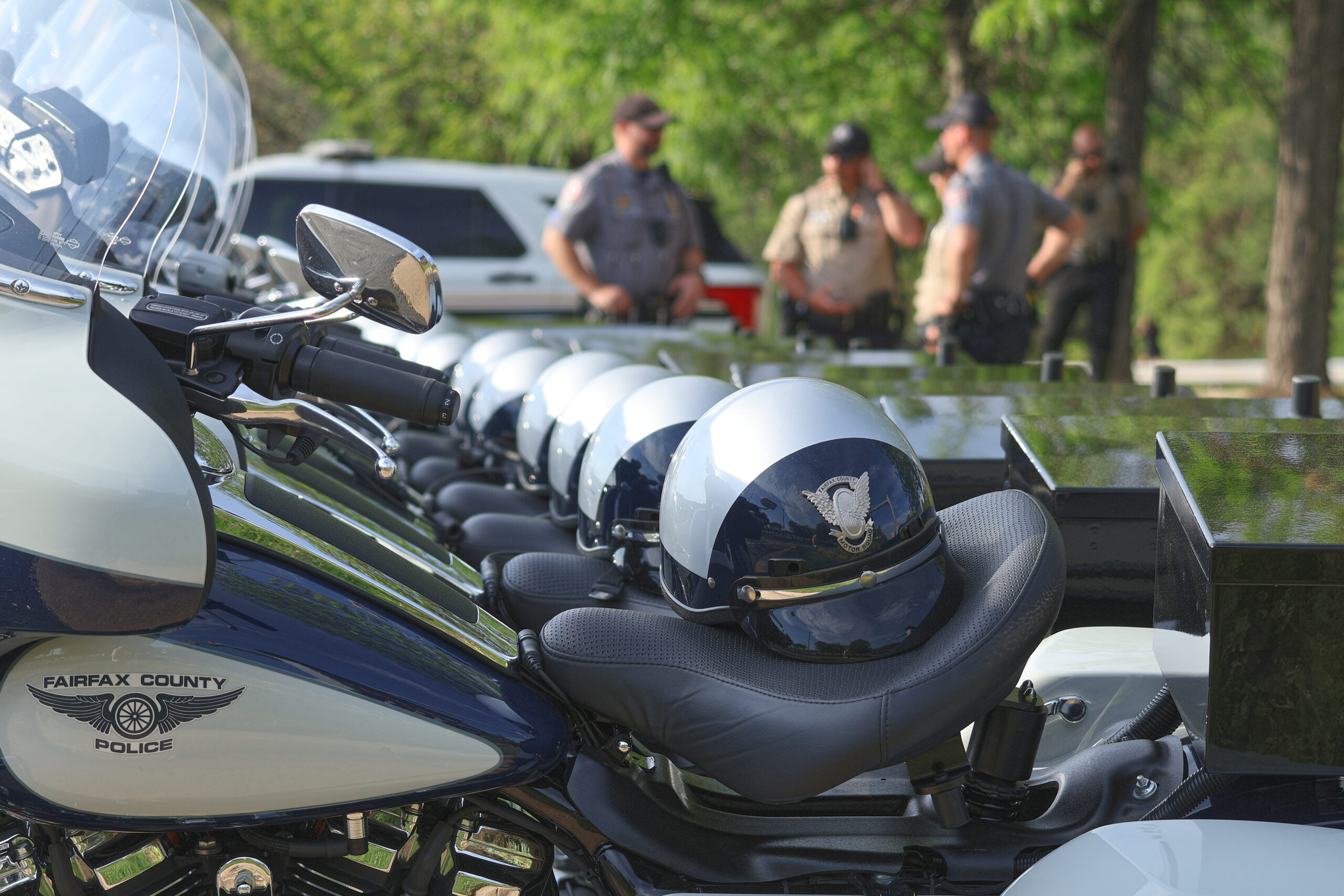
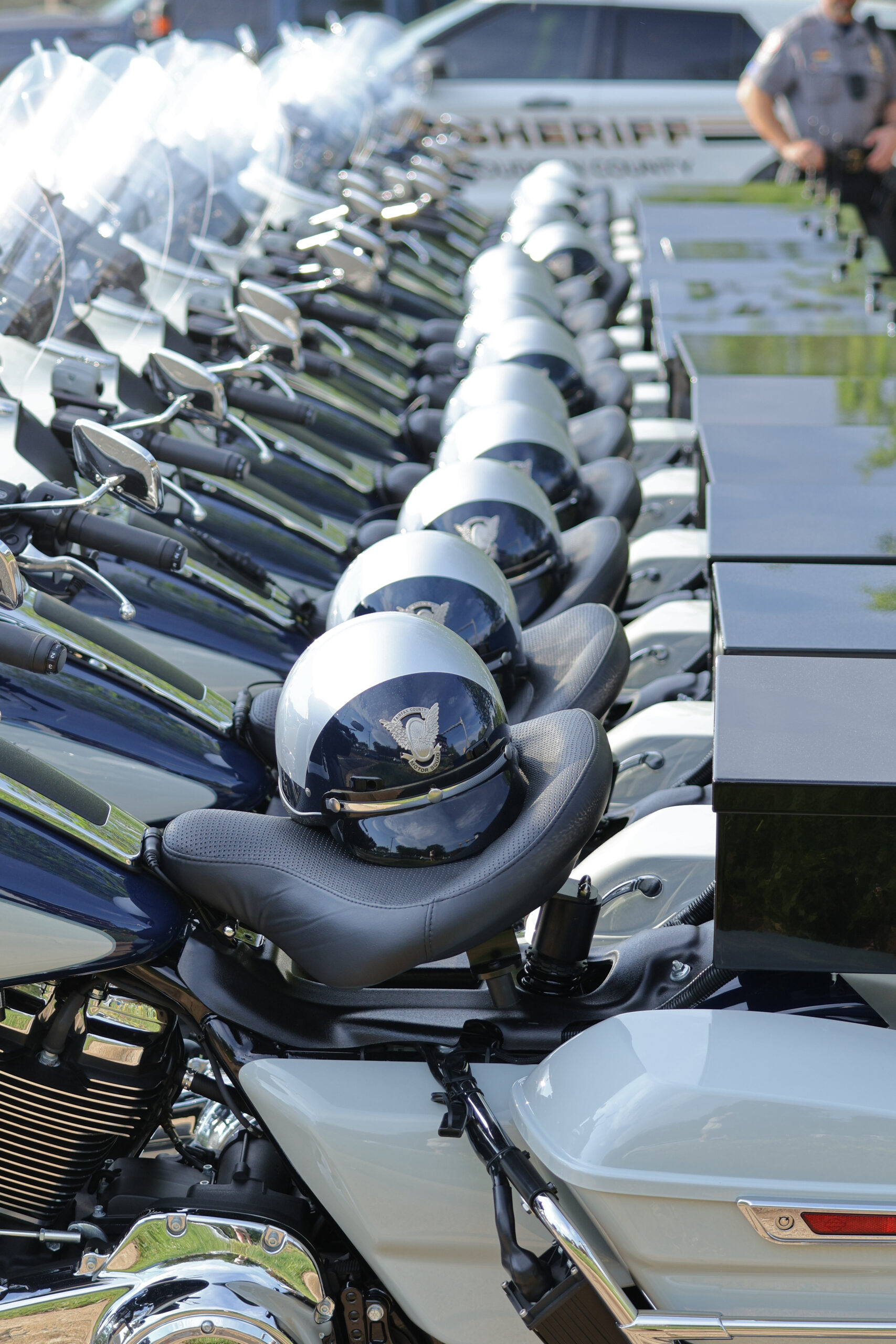
LCSO and FCPA Working TogetherFCPD Motor Squad Staged for DutyPolice Helmets on Motorcycle Seats 02Police Helmets on Motorcycle Seats 01